We produce a wide range of dredgers and dredging equipment
Our products are designed with the highest quality and reliability in mind. Every stage of production – from design to final testing – is focused on a single goal: to deliver equipment that will withstand the most demanding operating conditions. By using modern technologies and materials with enhanced durability, our solutions ensure long service life and operational safety, translating into real savings for users.
Innovation is the foundation of our business. We introduce solutions that not only “make a difference” but truly transform the way aggregates are extracted – making it cheaper, more efficient, and feasible where other equipment fails. Our products stand out for their ability to operate in challenging conditions, offering efficiency and precision unmatched by competing solutions. It is through continuous development and a bold approach to technology that we can provide our customers with equipment that is a key element of their success.
Olszewski Machines – quality and innovation that make a difference in reclaiming.
We invite you to explore our products:
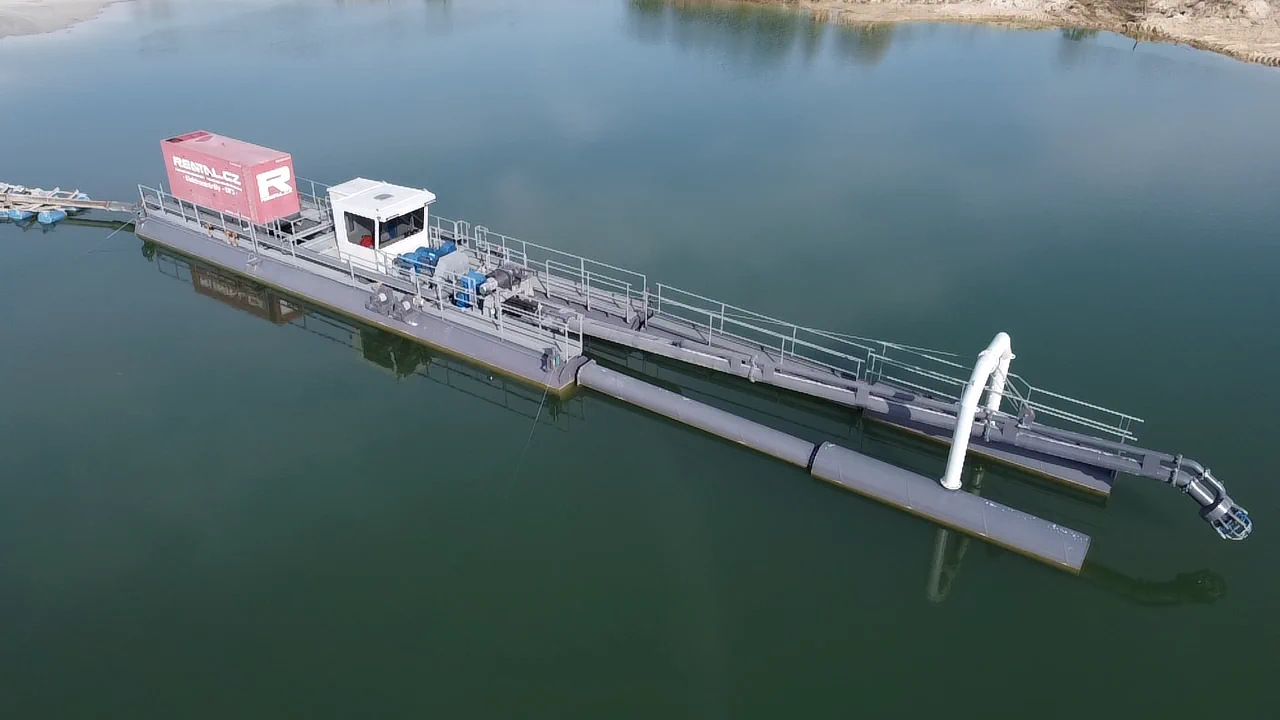
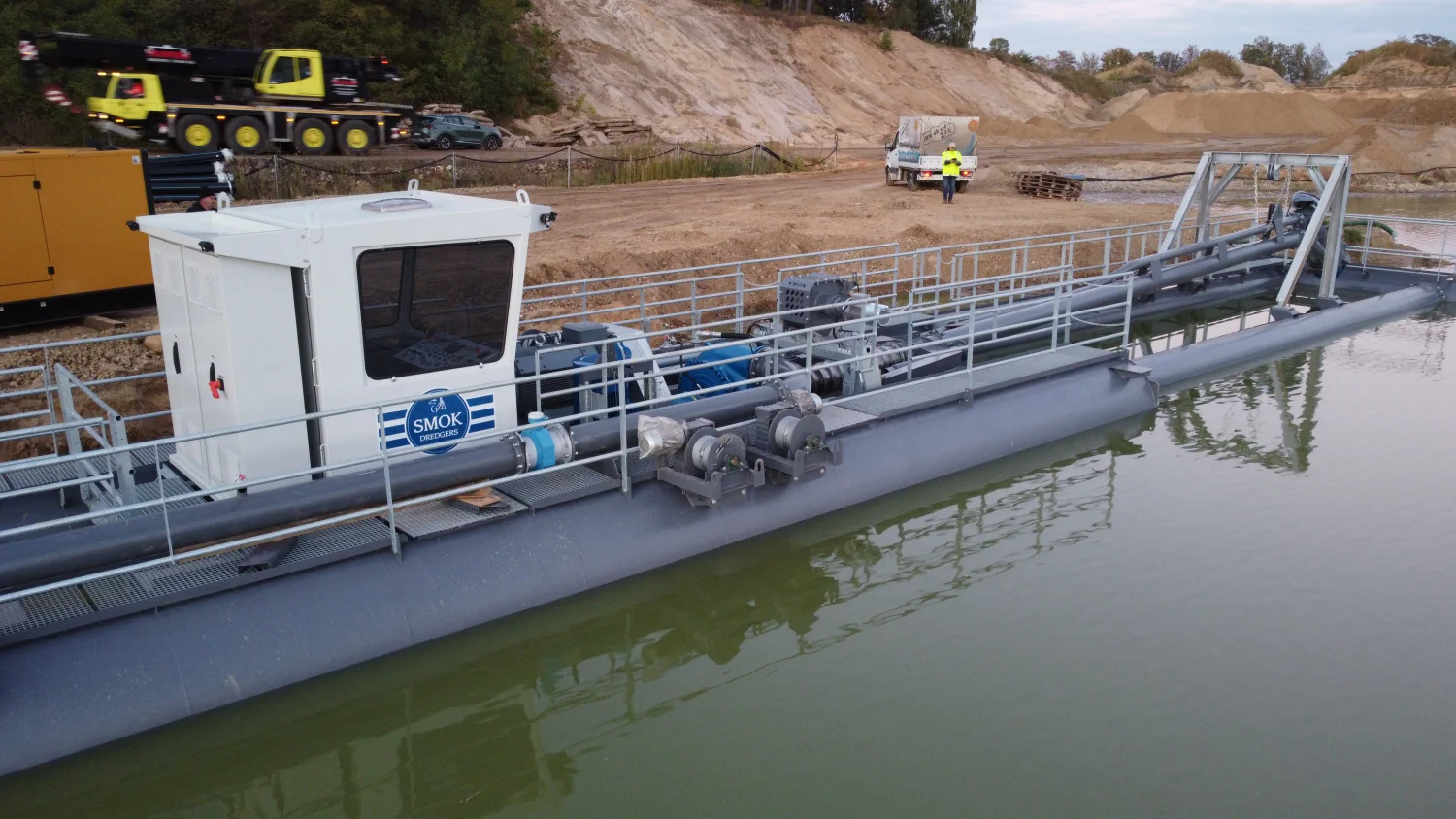
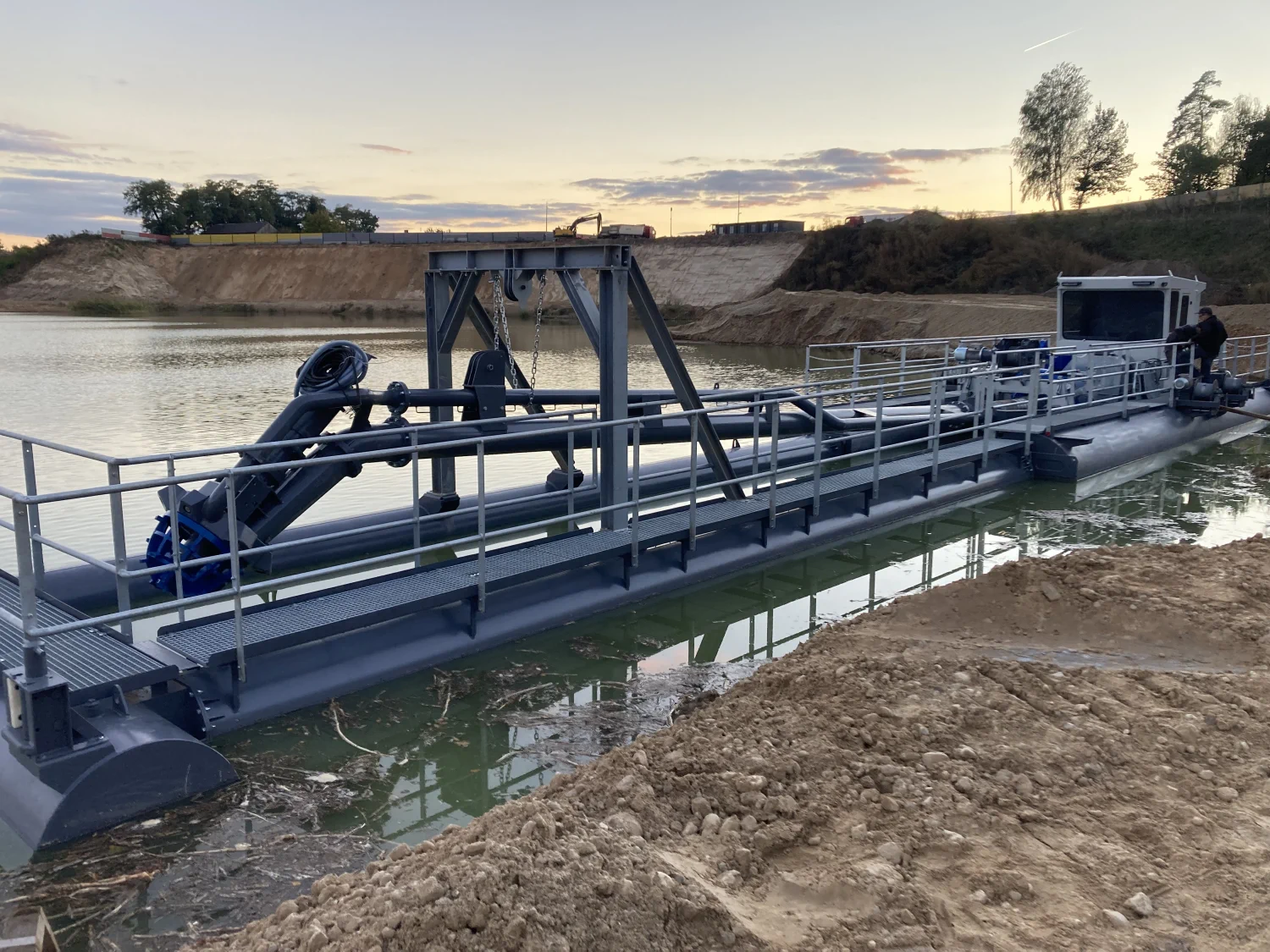
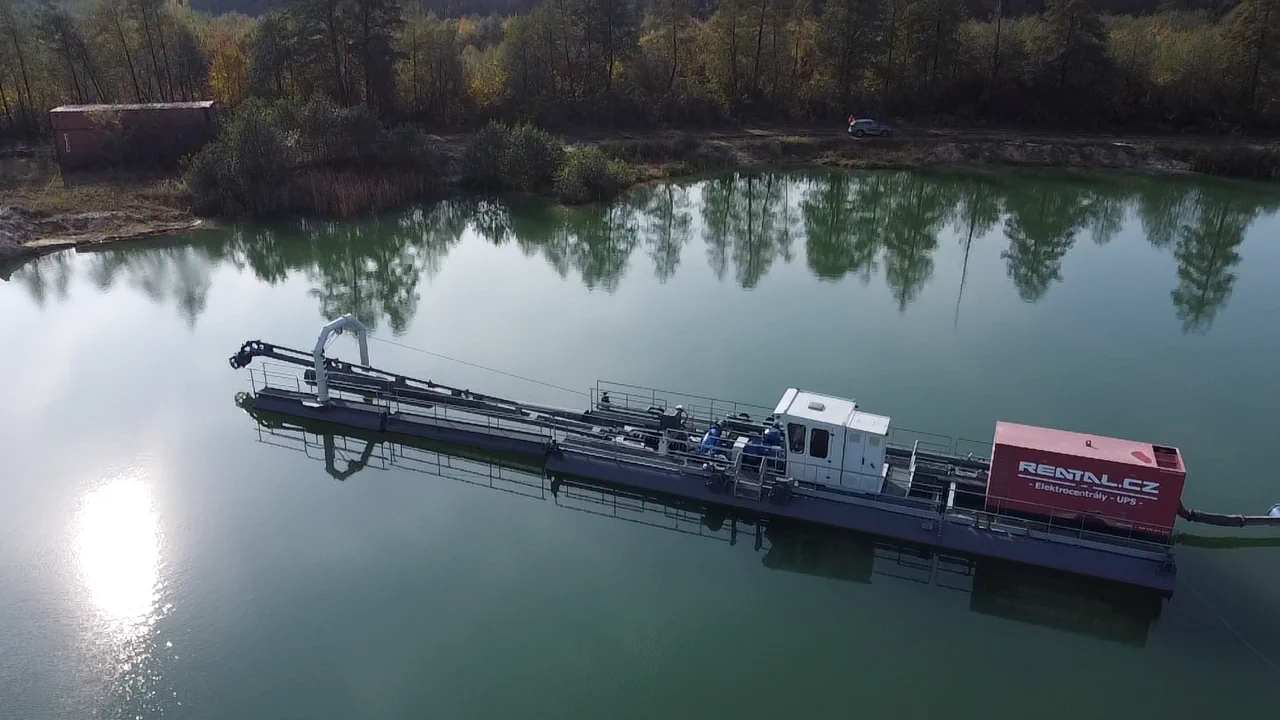
Dredgers with electric drive
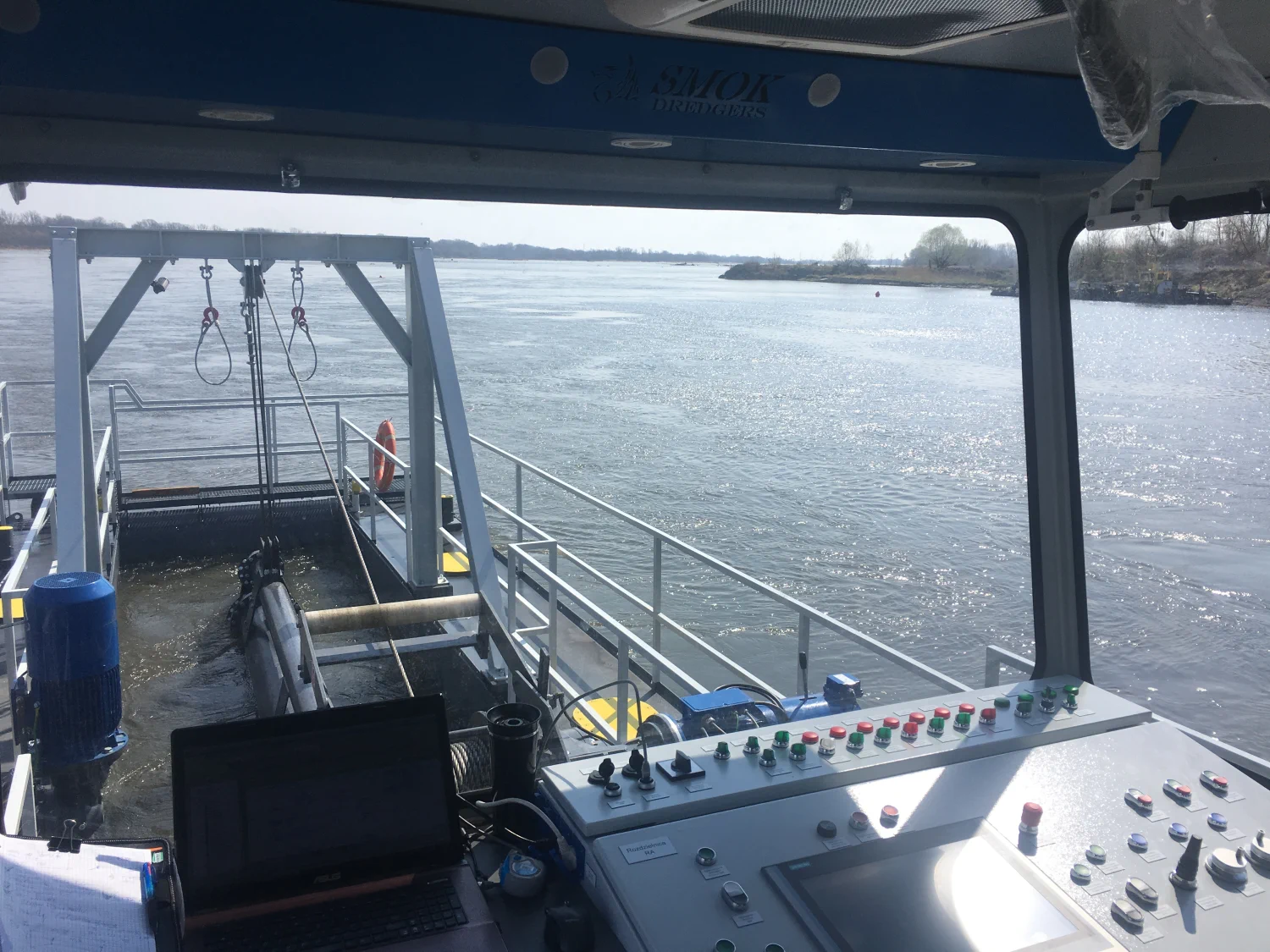
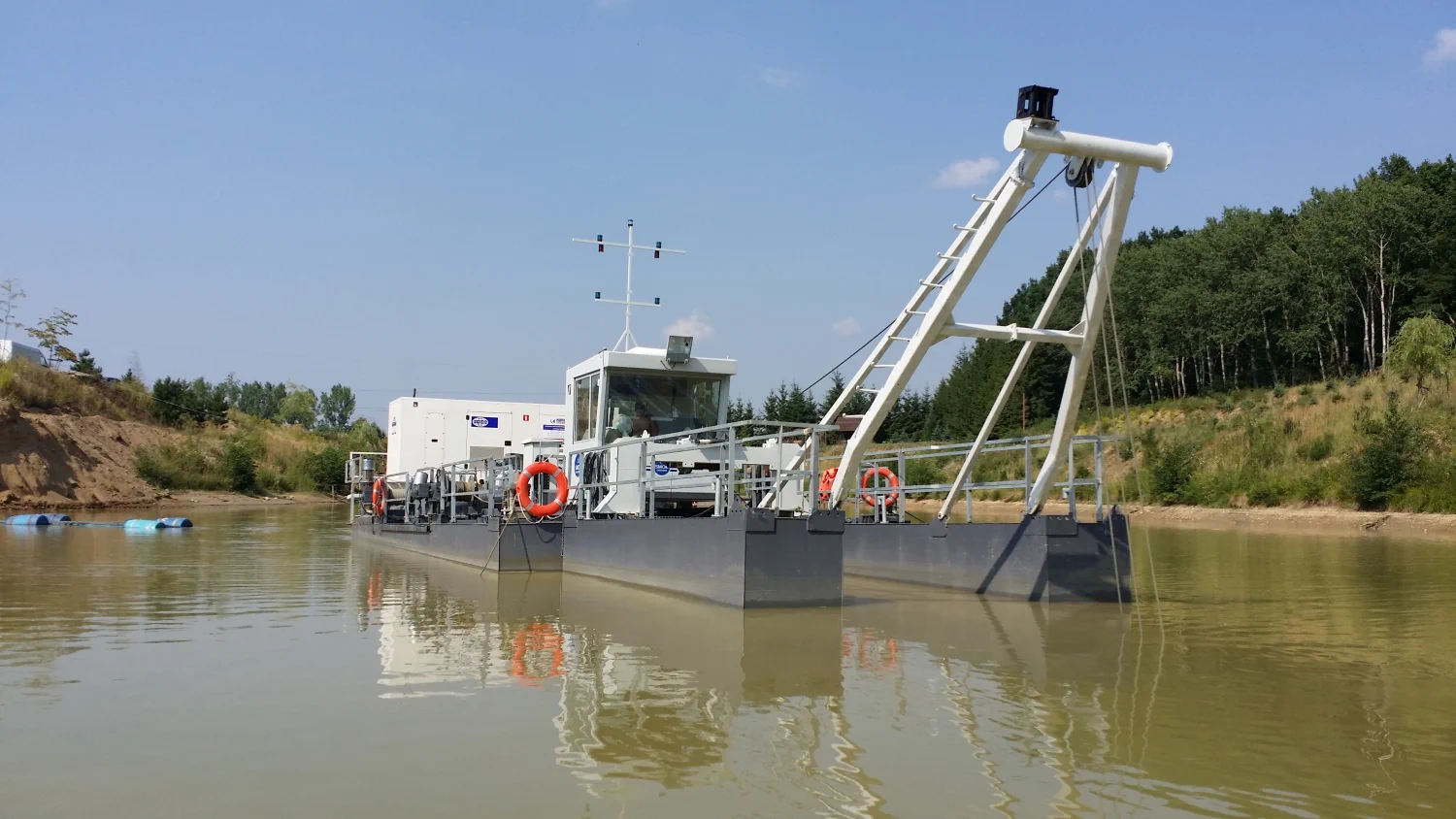
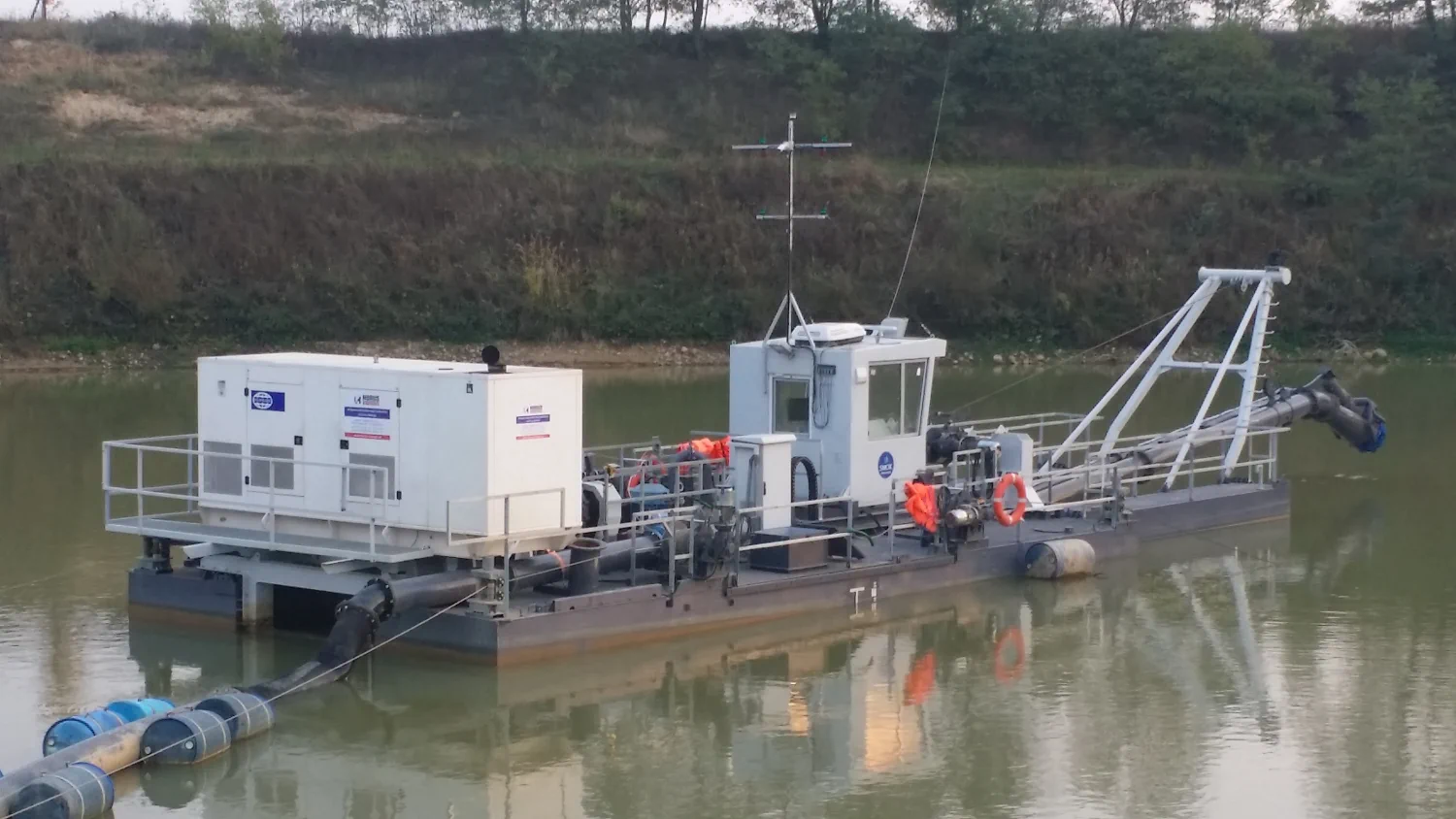
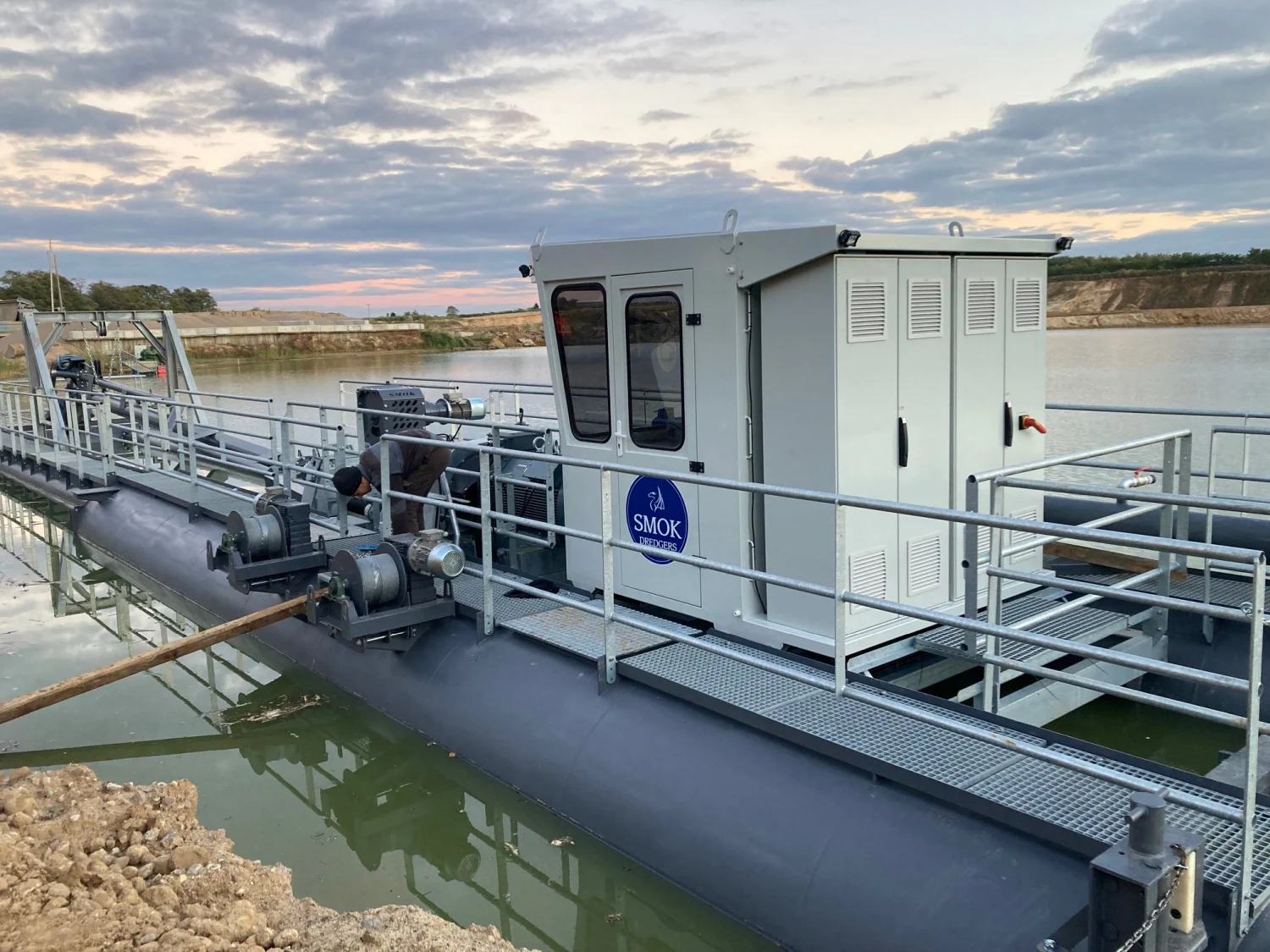
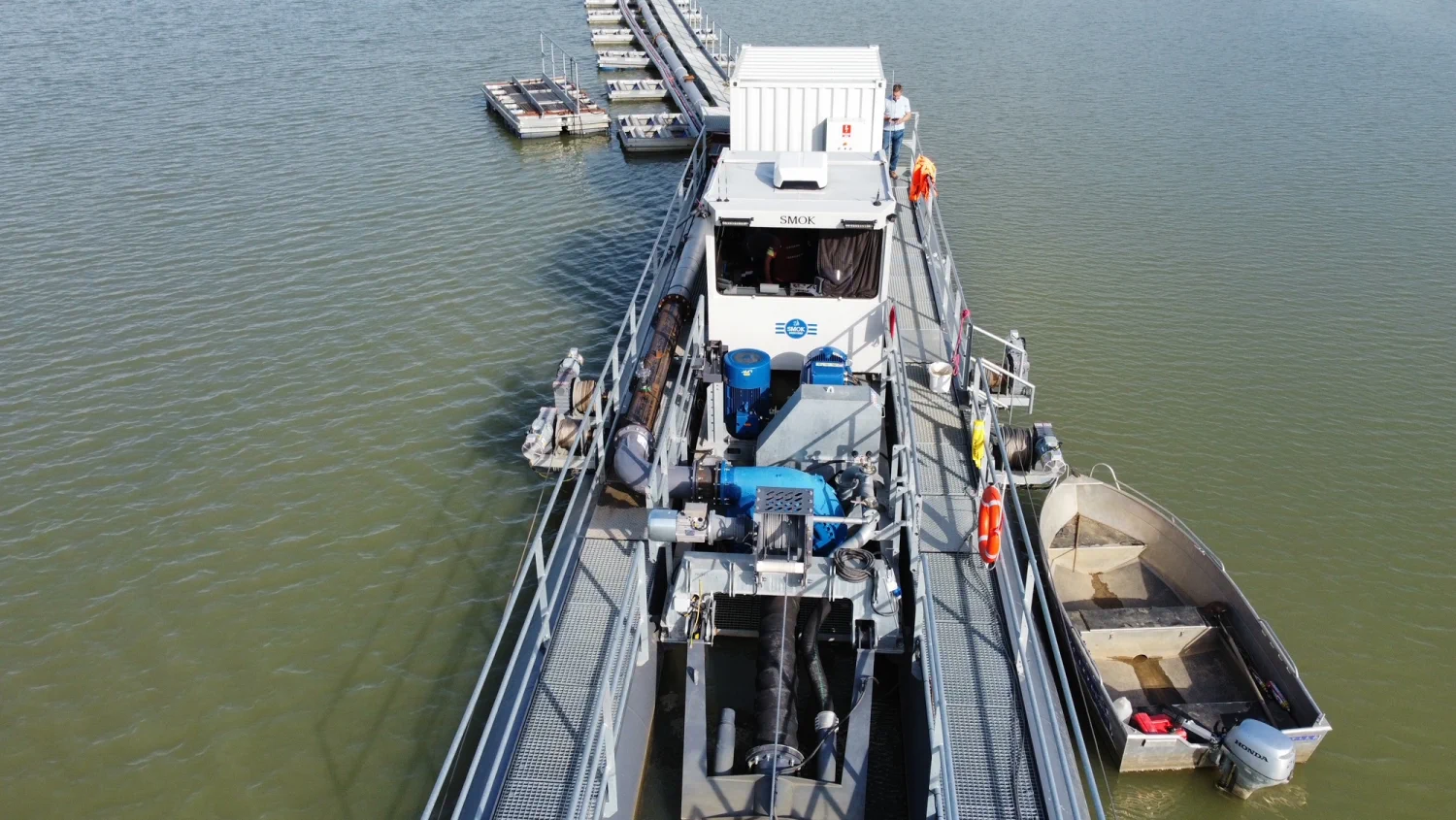
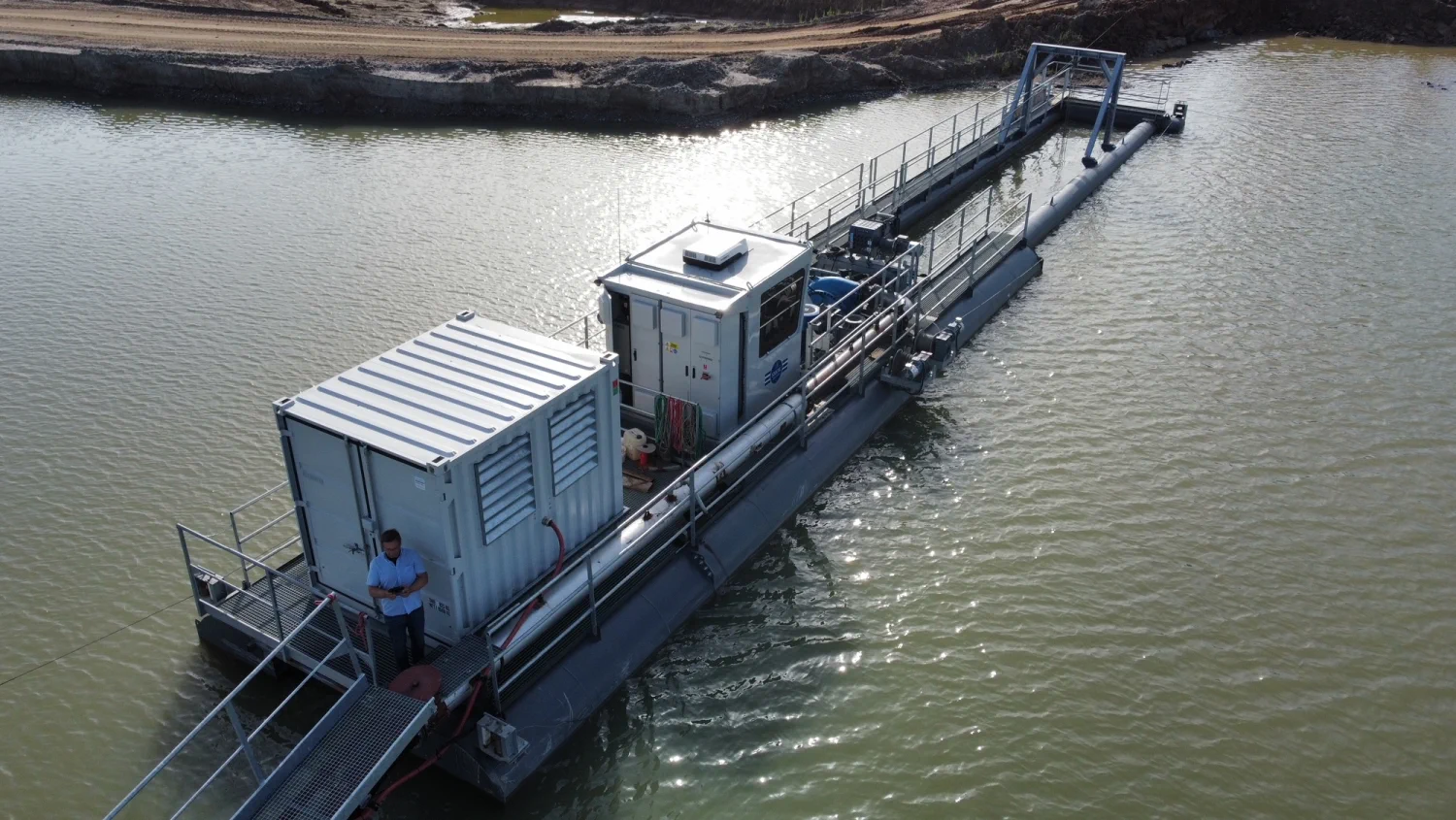
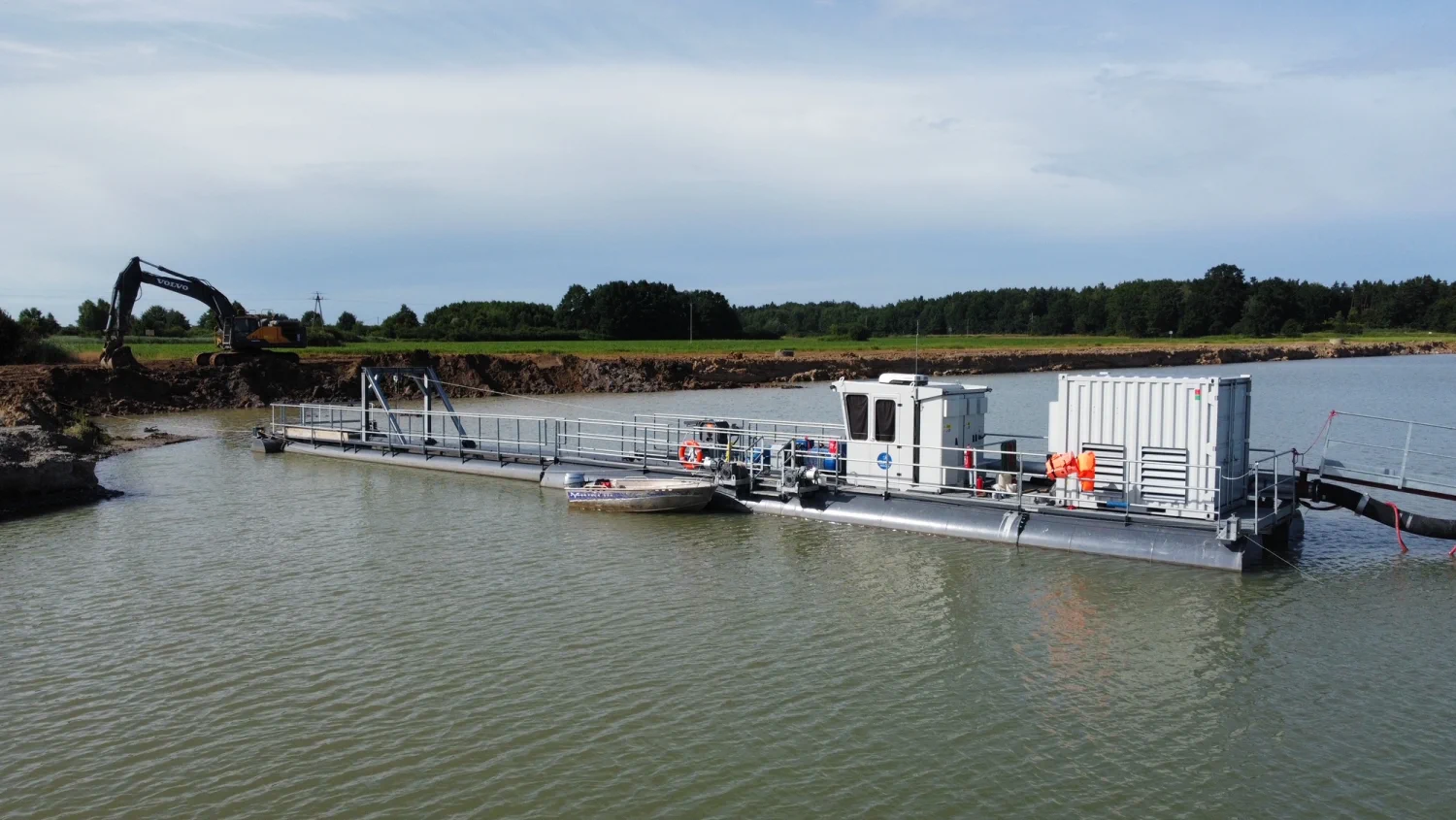
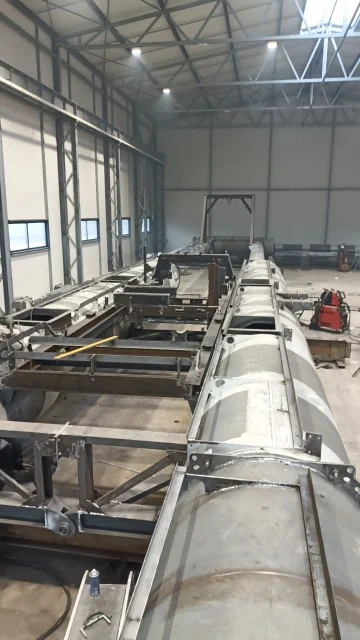
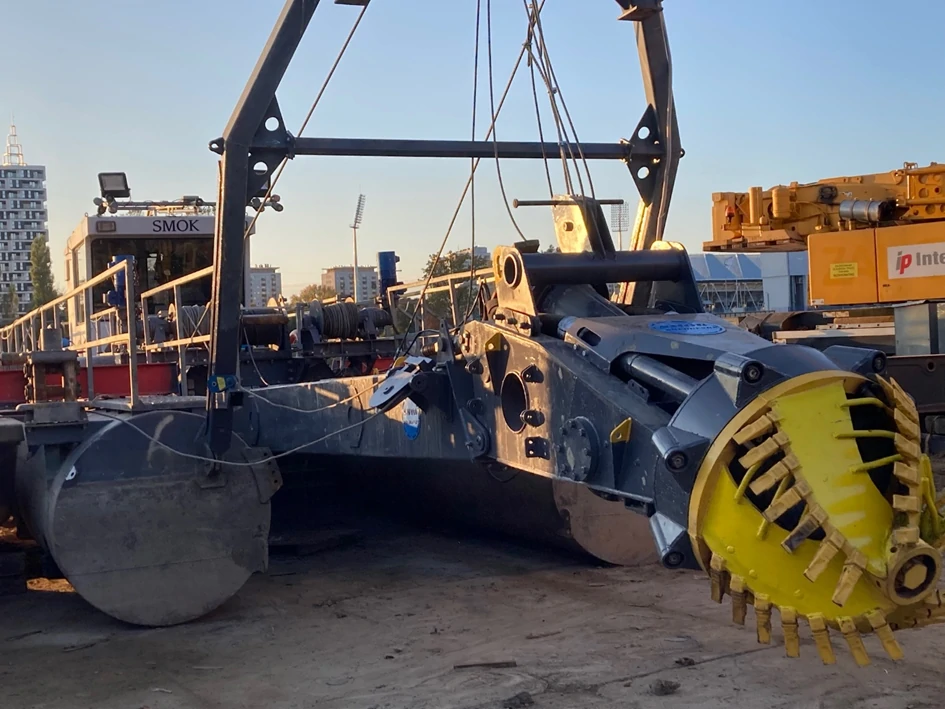
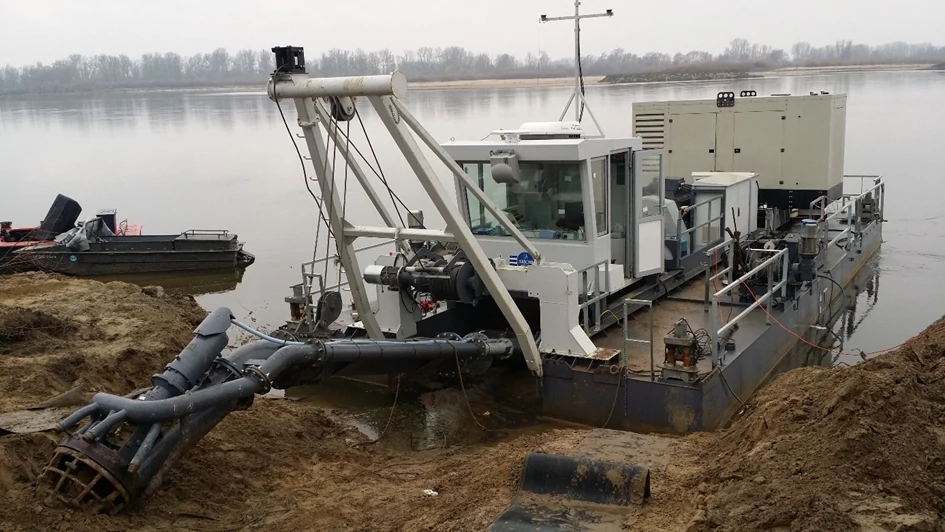
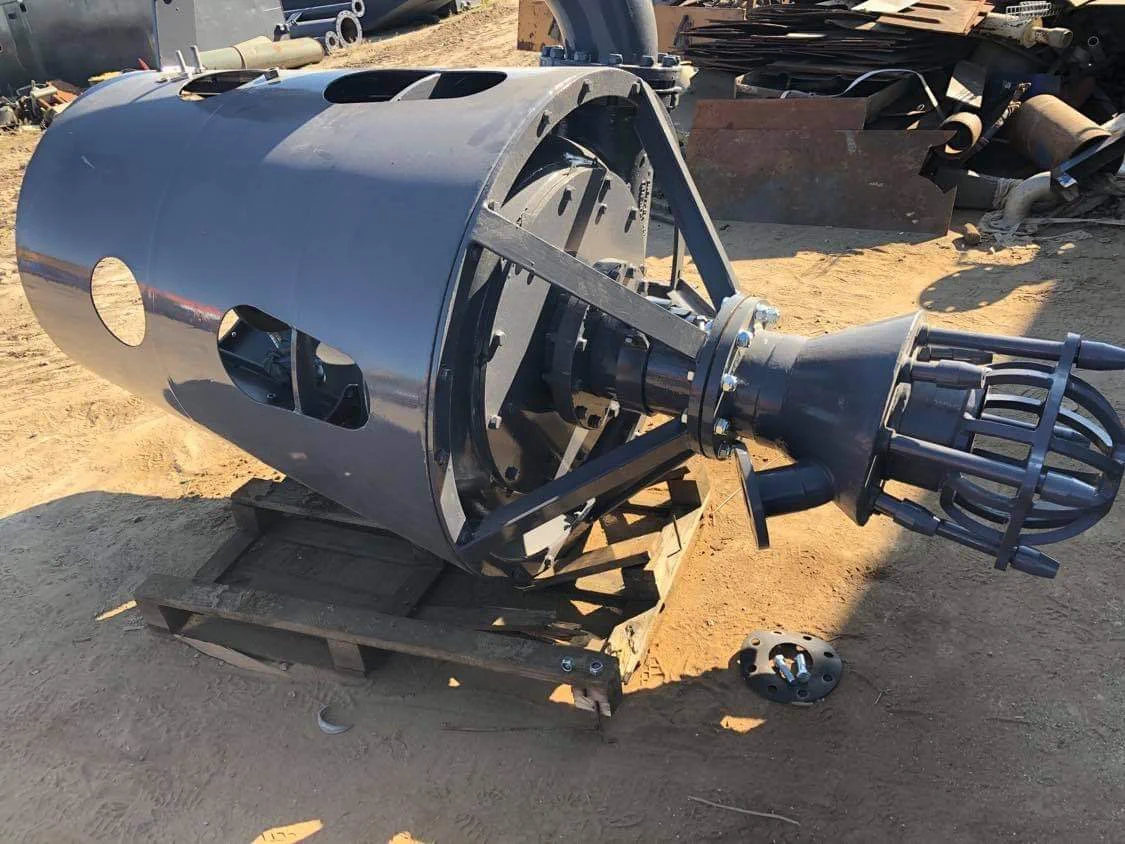
Electric-powered mining support heads
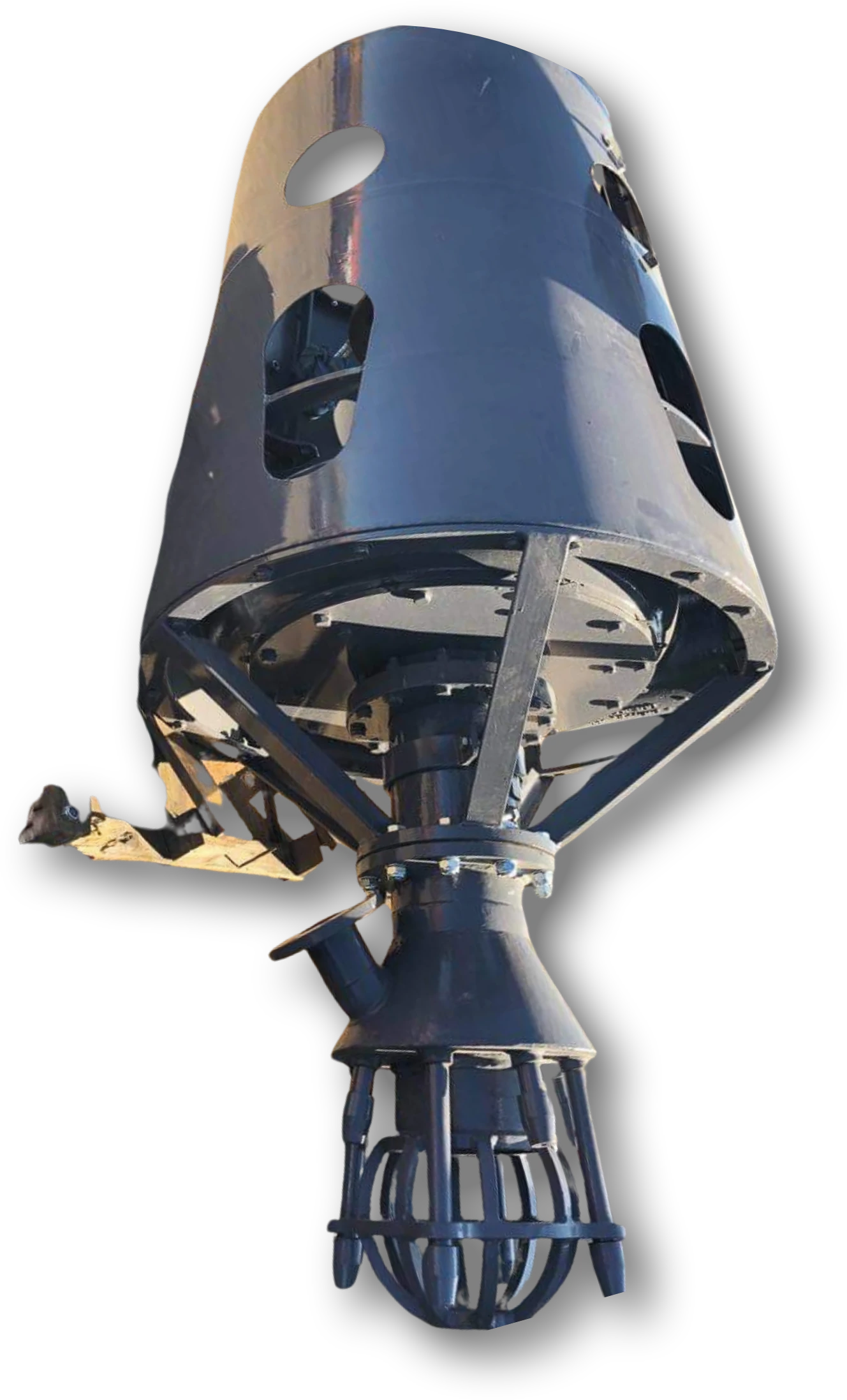
These heads are equipped with jet nozzles and a rotating milling basket with an electric drive (an electric submersible motor).
They combine the advantages of water jet cutting with mechanical cutting using a rotating head.
The use of an underwater electric motor eliminates the need for a hydraulic system on the dredger. This reduces the risk of water contamination with oil, which is a significant advantage in the context of ever-increasing environmental protection requirements.
The bearing blocks and gears of our heads use small amounts of oil. Furthermore, we use only biodegradable oils.
This type of heads is a very useful solution in the realities found in most sand and gravel mines in Poland. Mines with homogeneous and easily workable deposits are very rare in Poland. Most mines struggle with intergrowths of clay, silt, or layers of compacted gravel. Our heads help break through these obstacles, thereby increasing production, reducing costs, and stabilizing production at a consistent level.
They are characterized by a very solid construction adapted to work in difficult conditions for a long time.
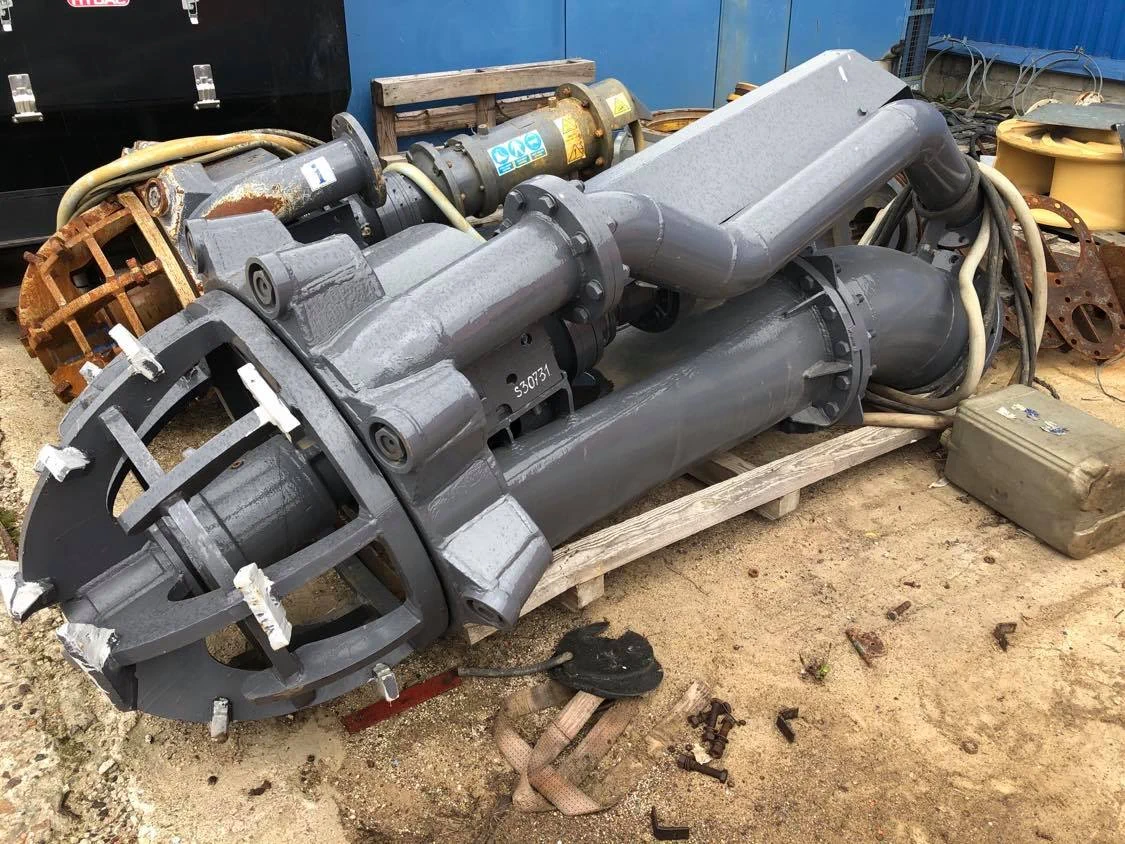
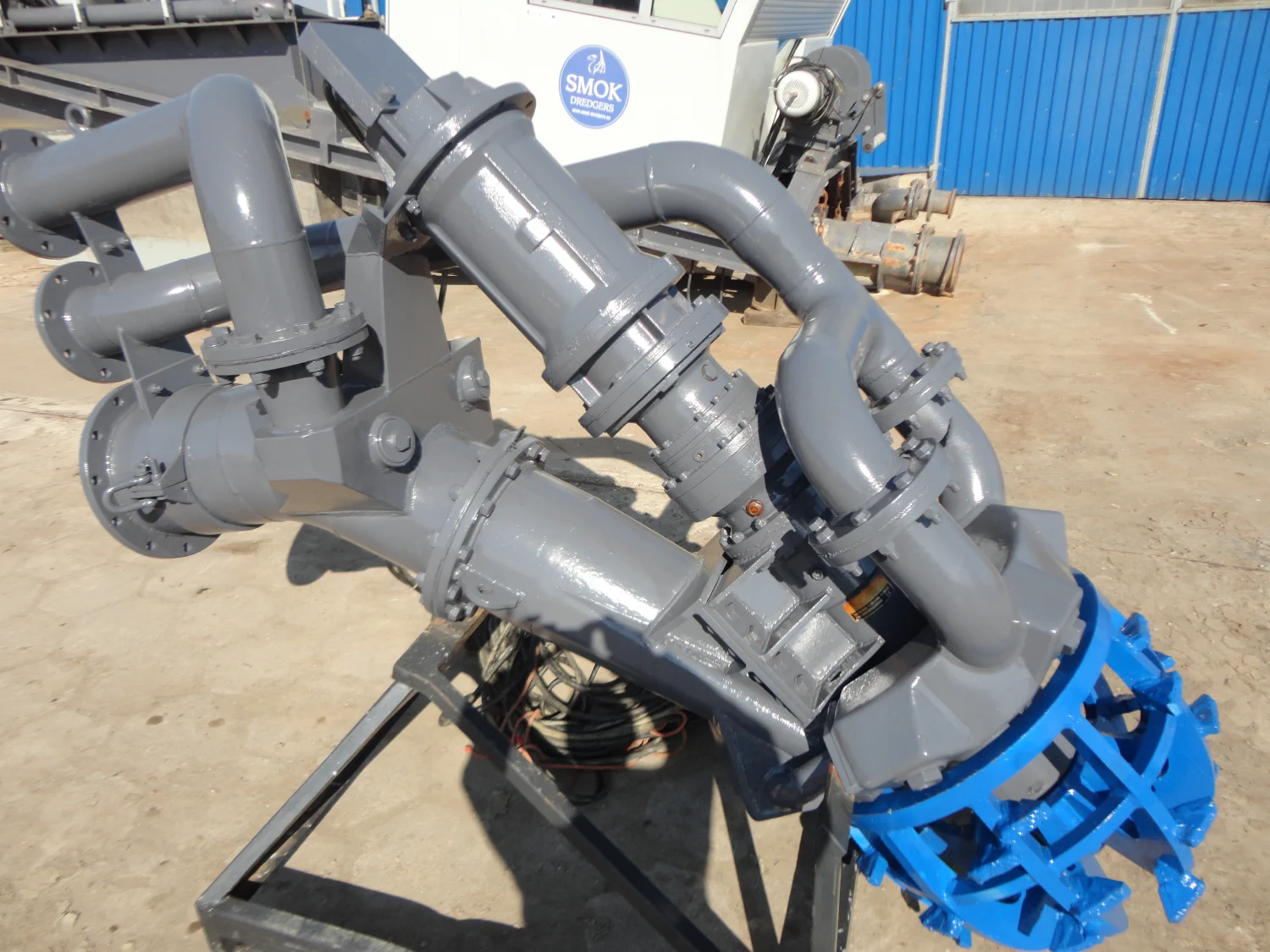
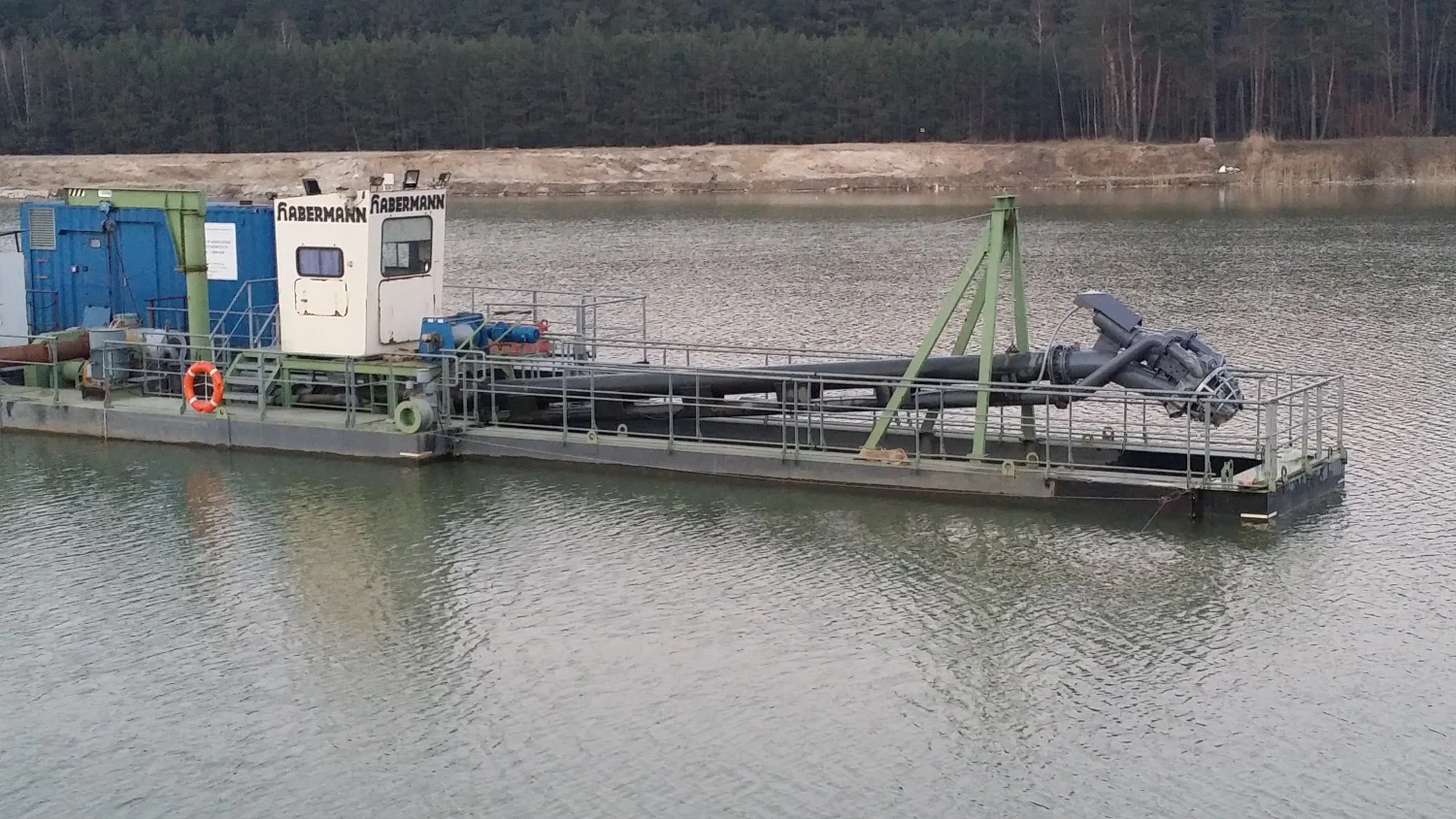
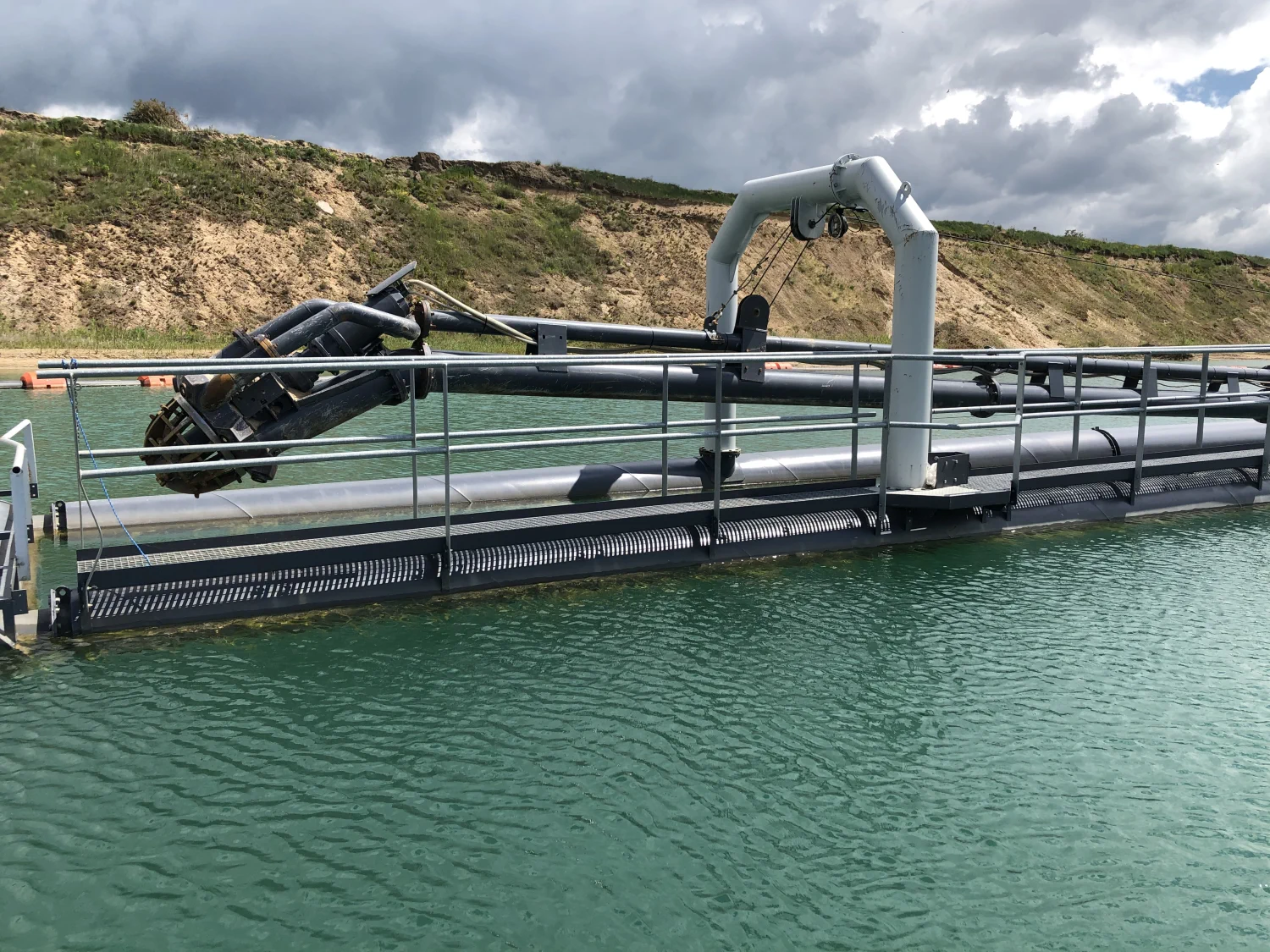
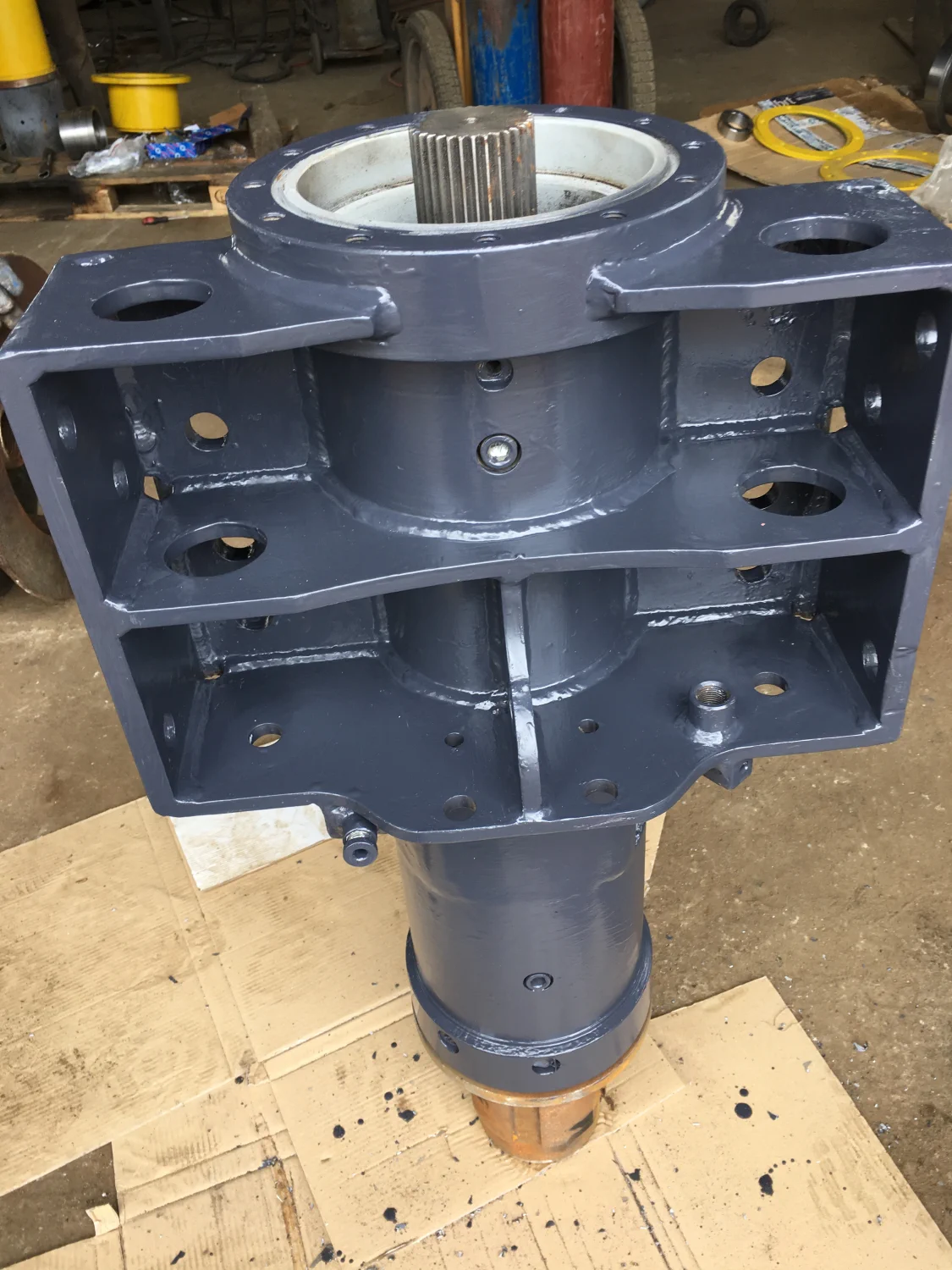
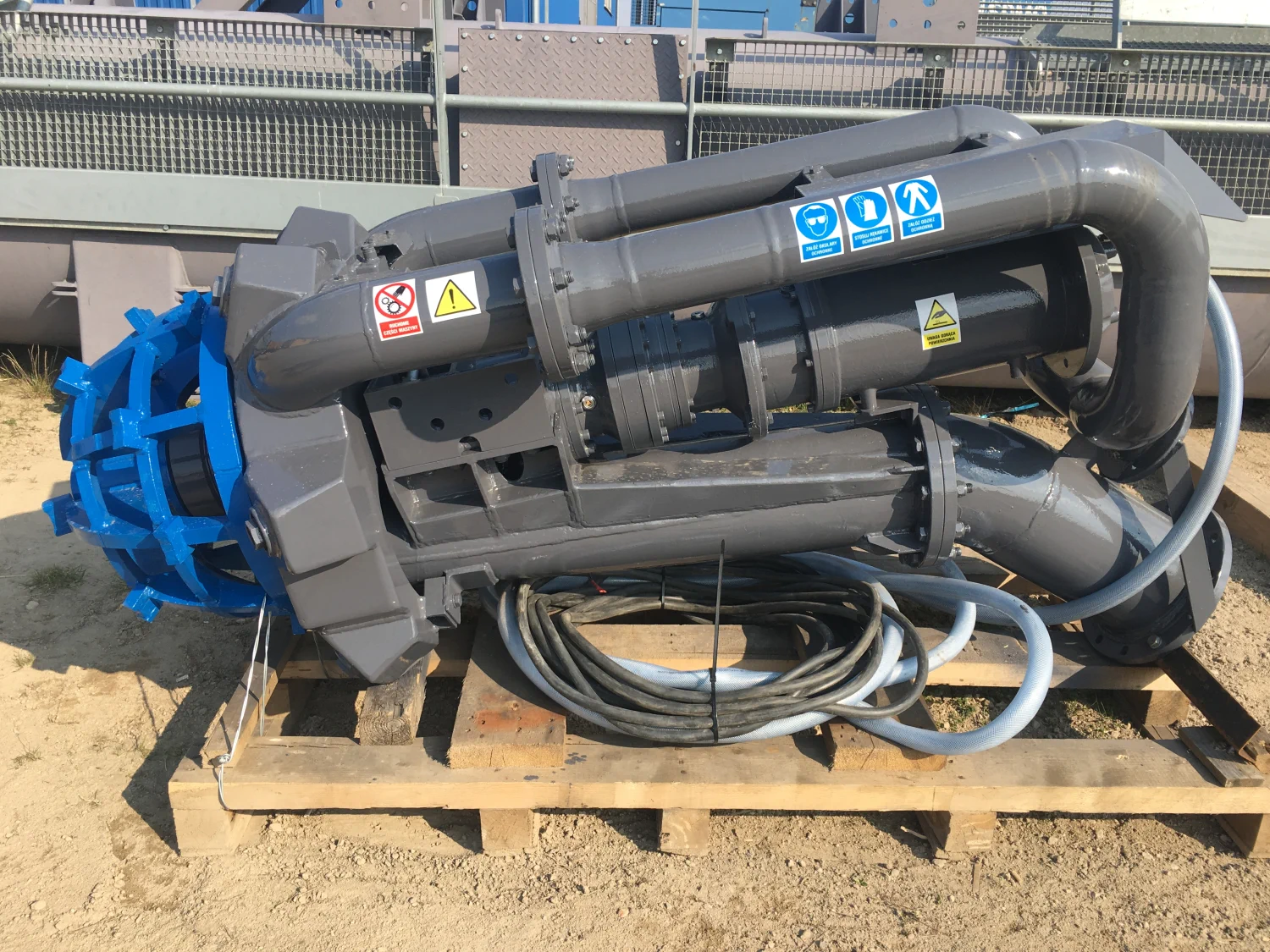
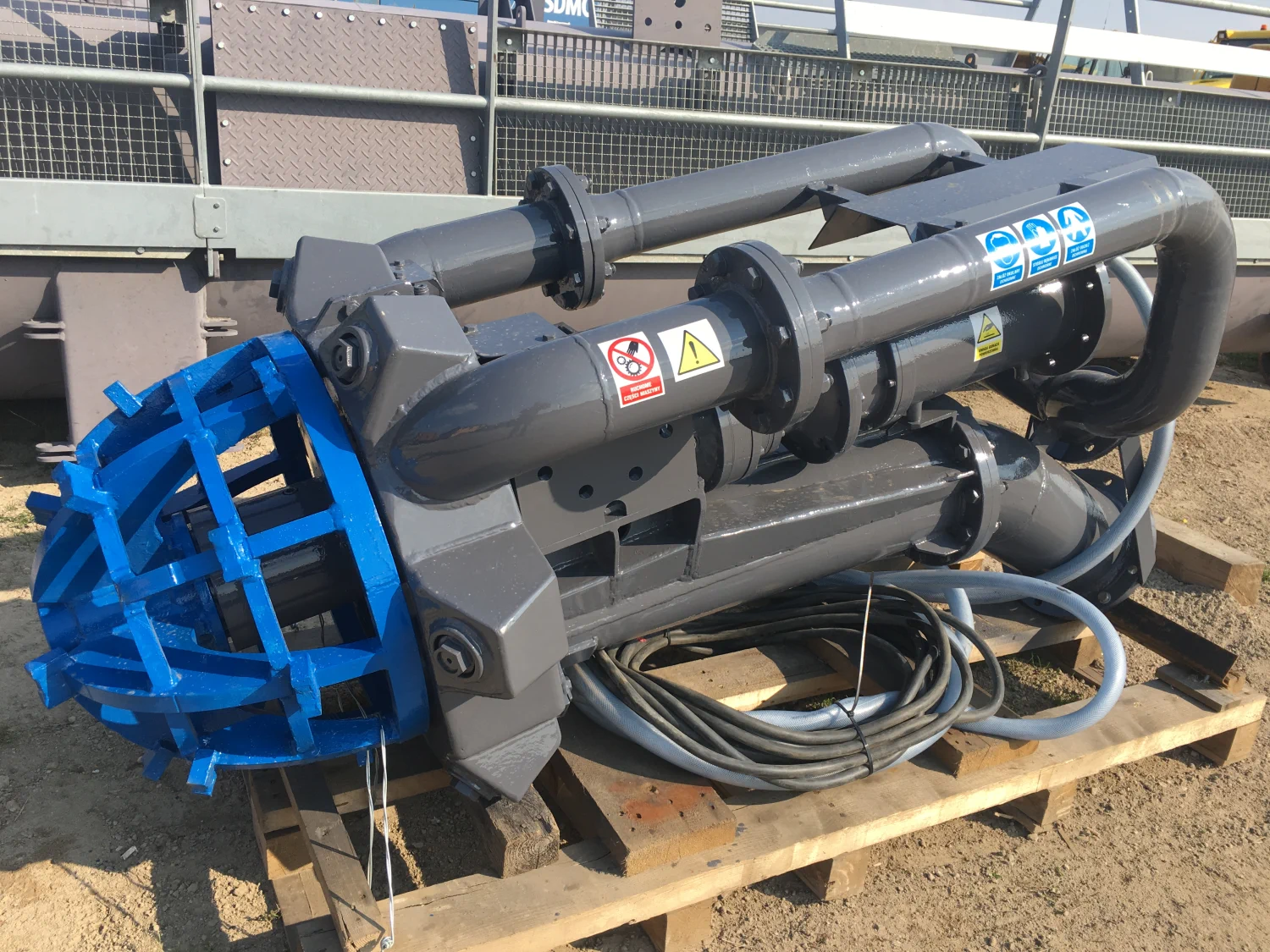
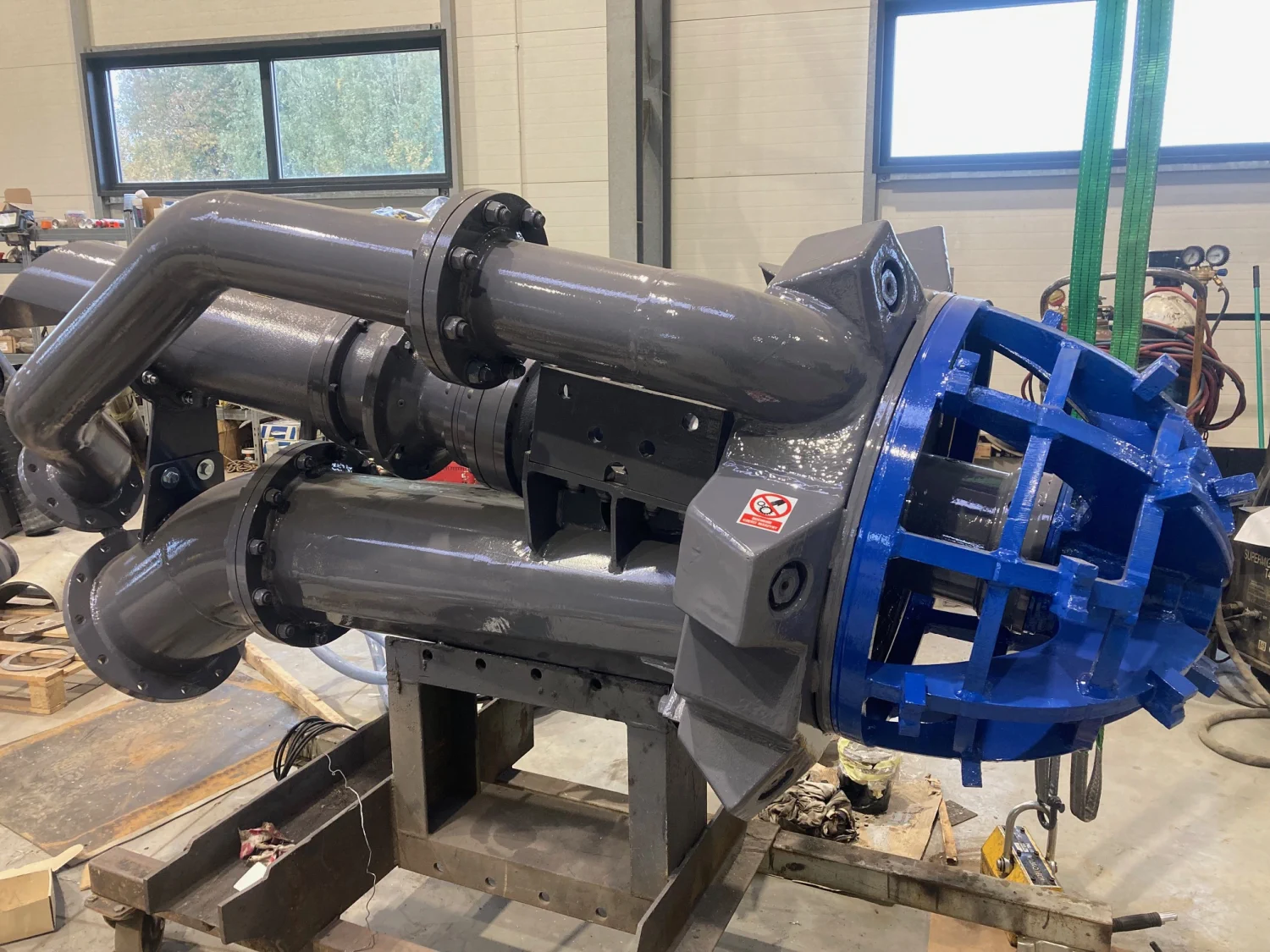
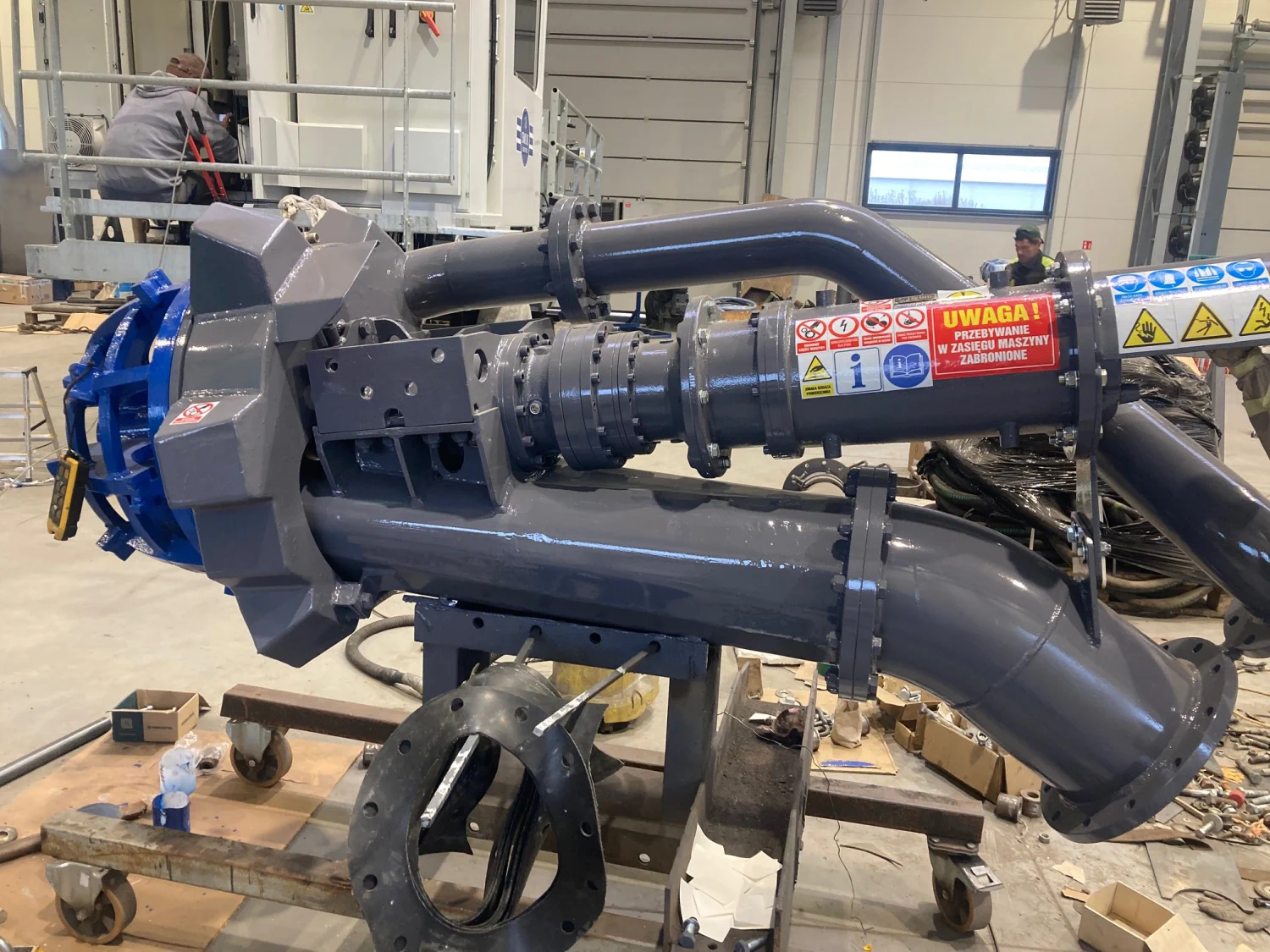
Our company also produces milling heads with higher power, approved for use in milling dredgers or in our Type EE dredgers.
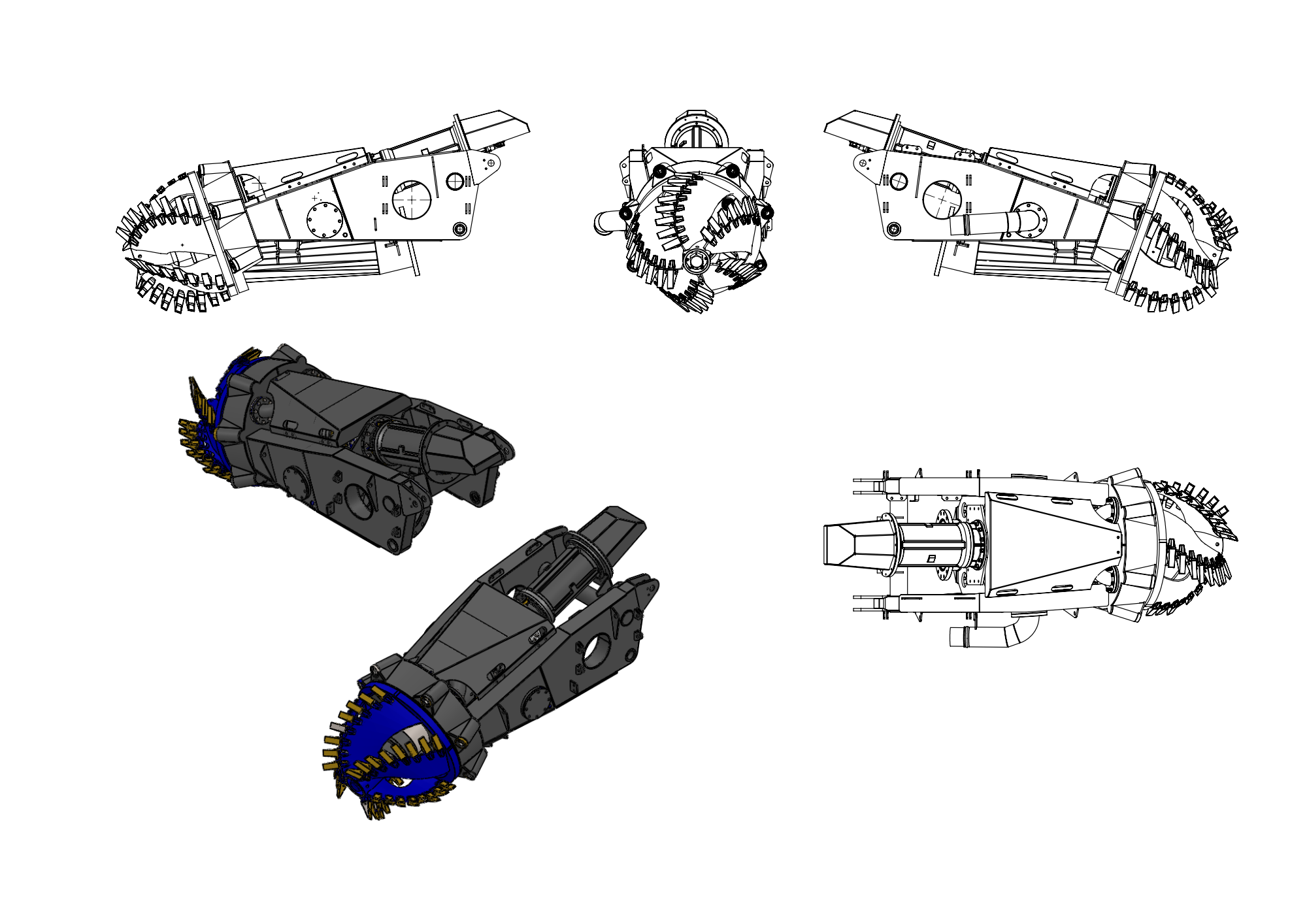
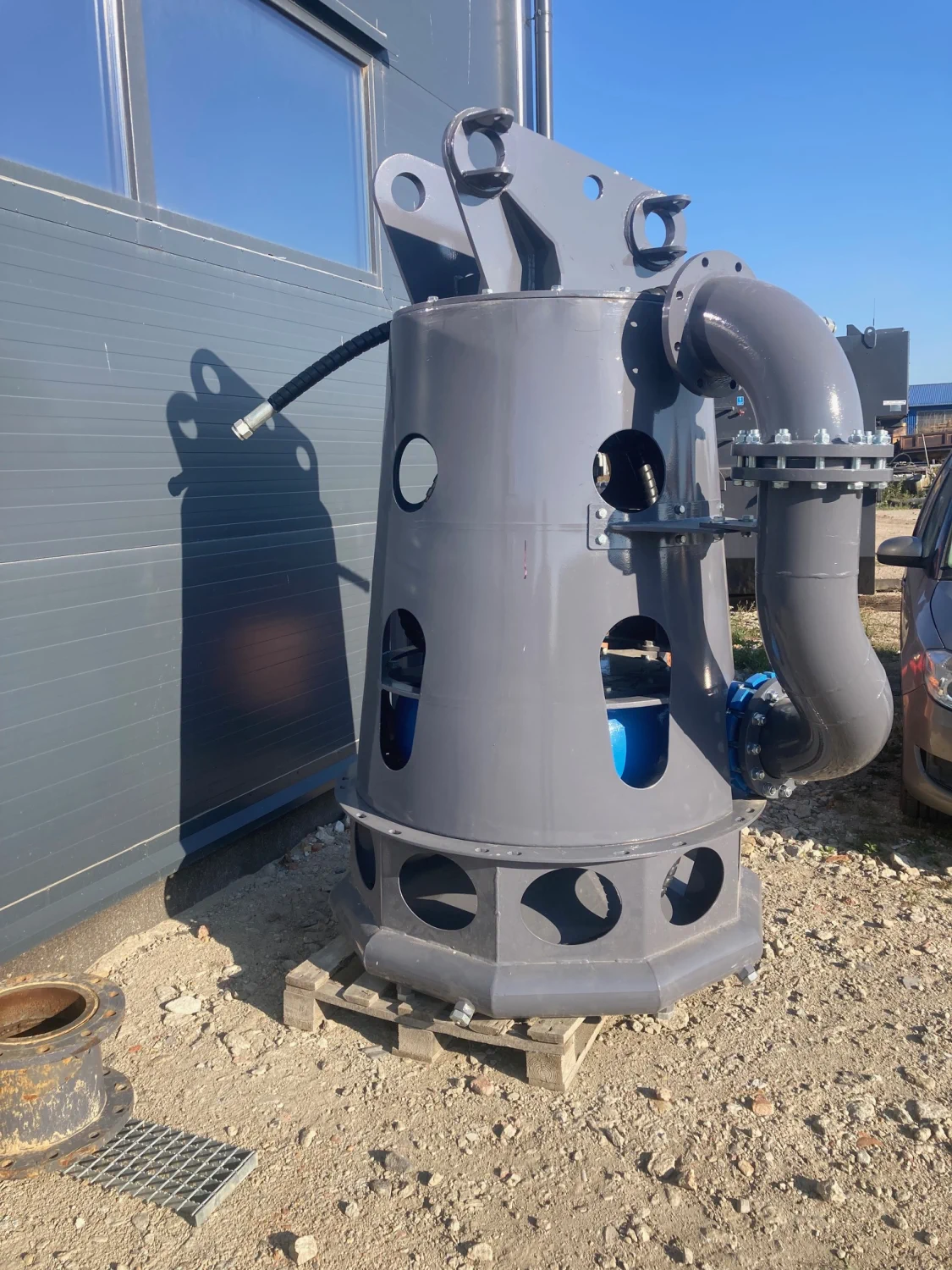
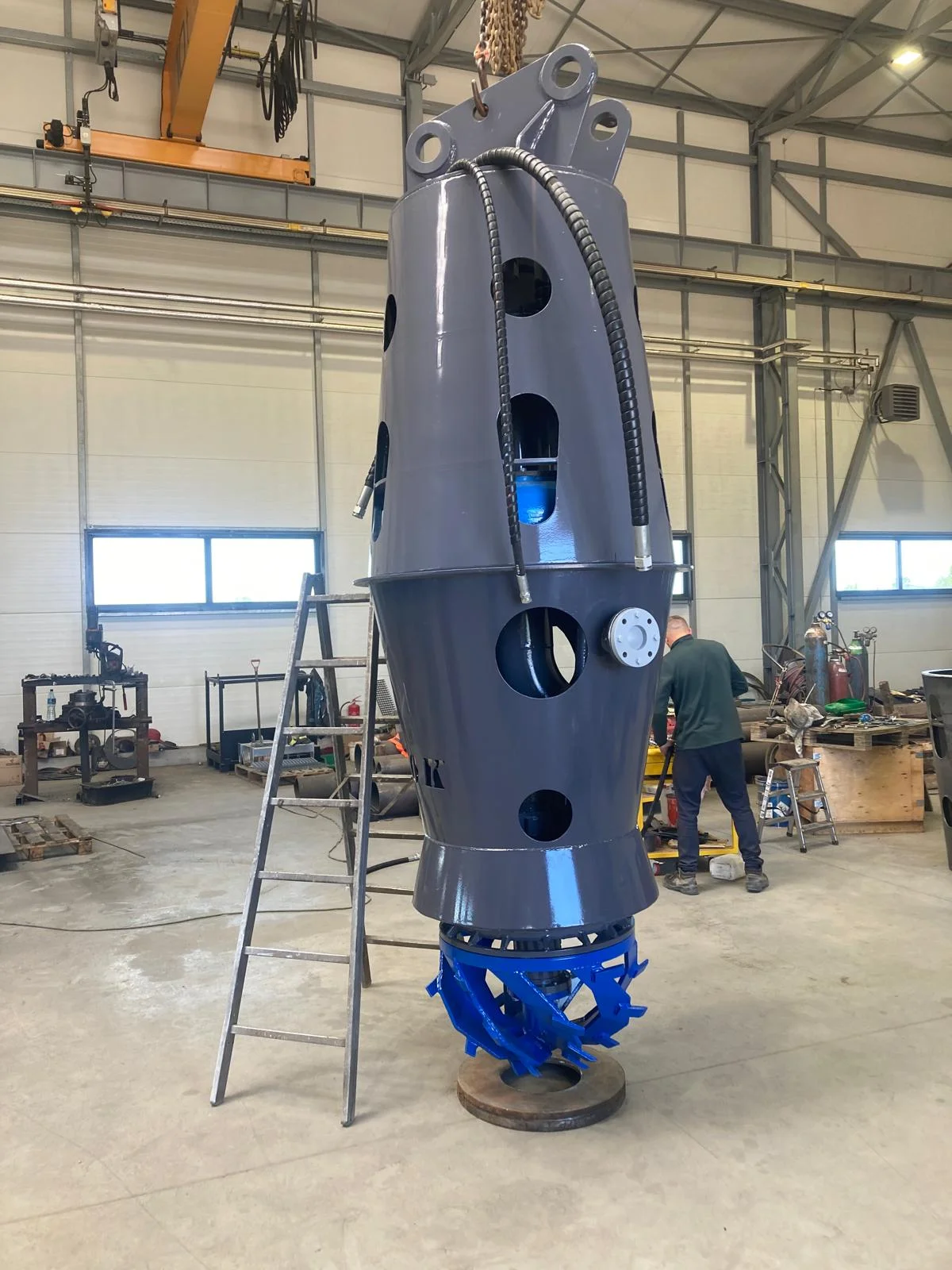
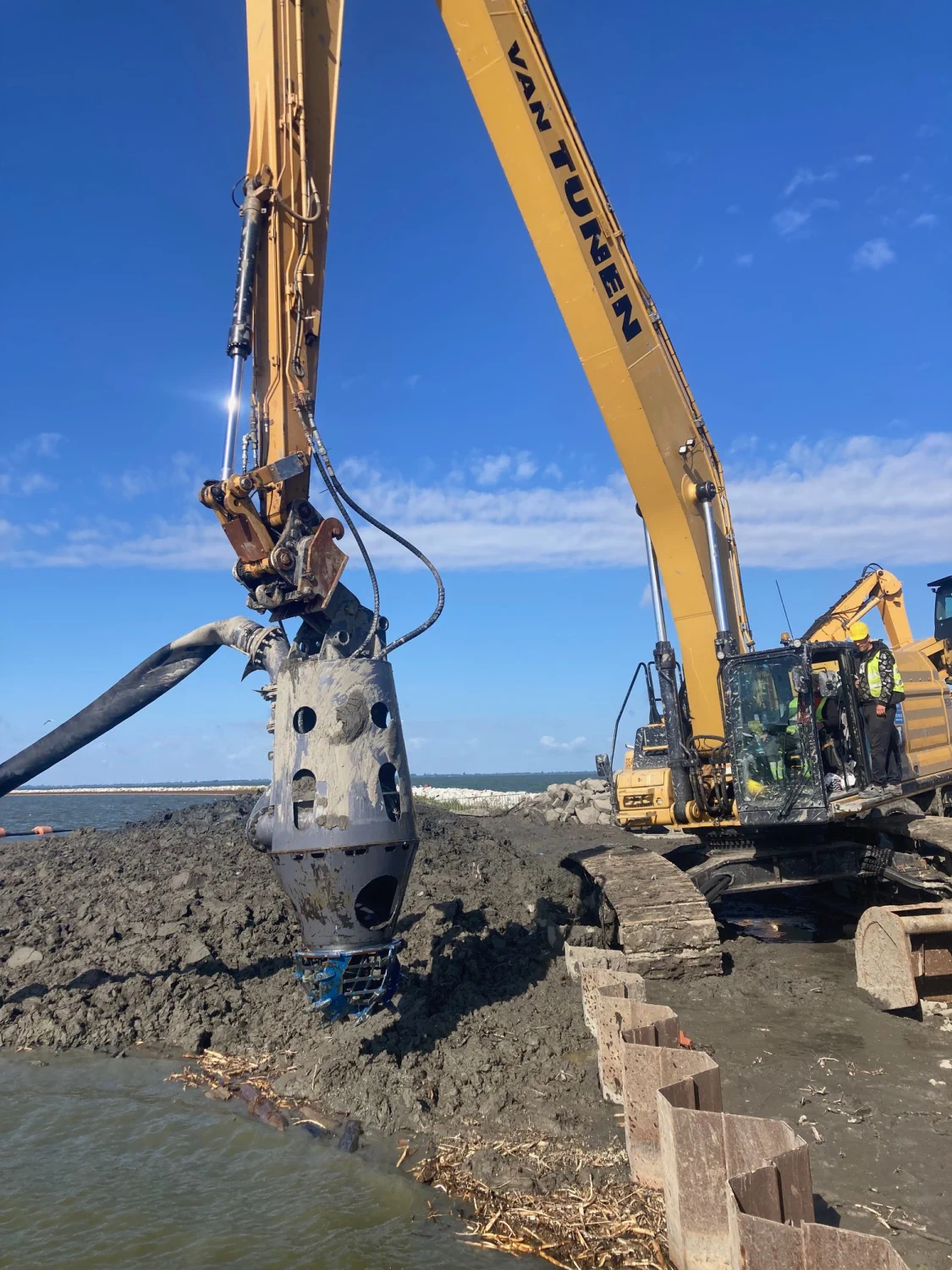
Hydraulically driven silting pumps
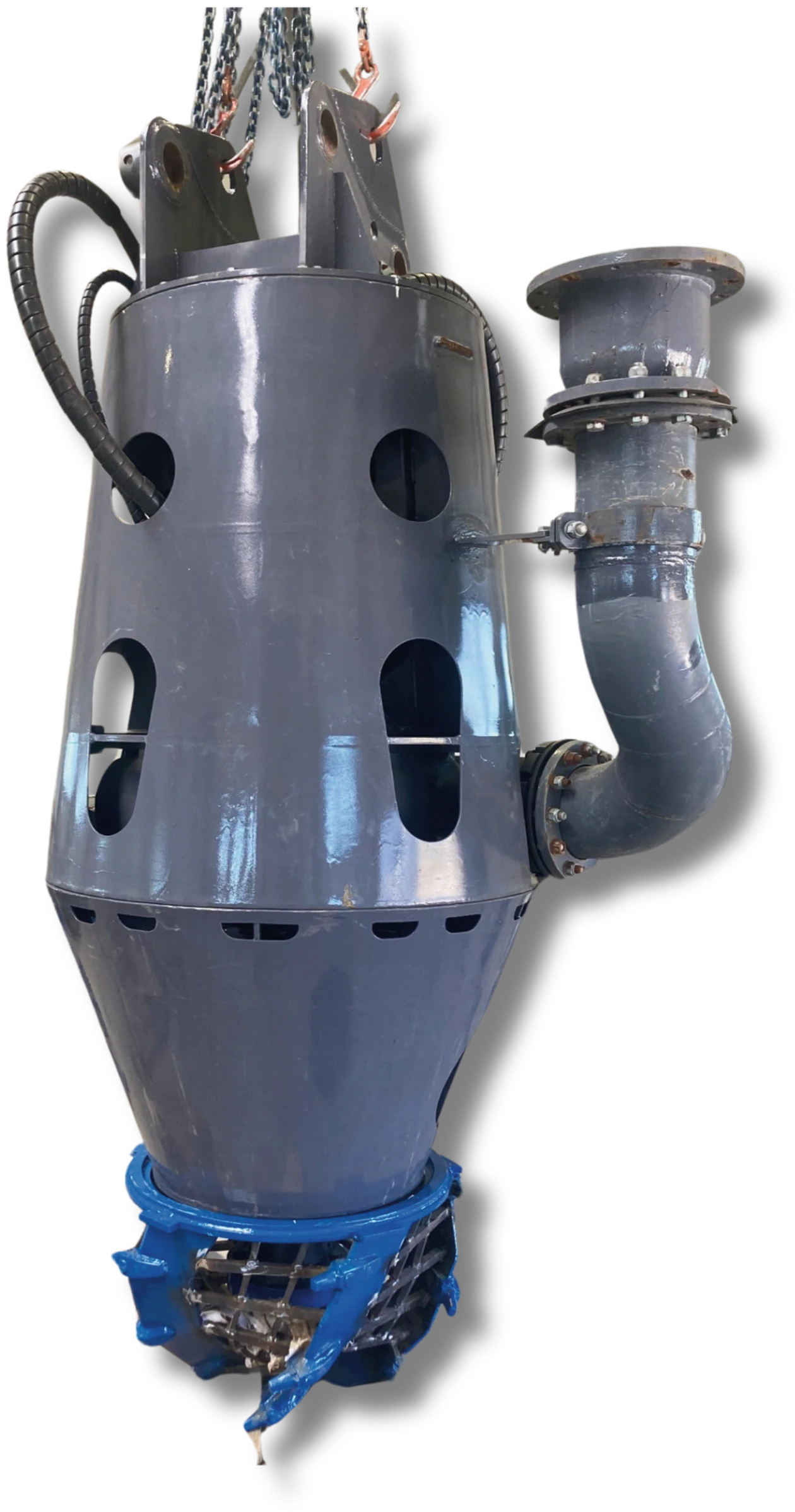
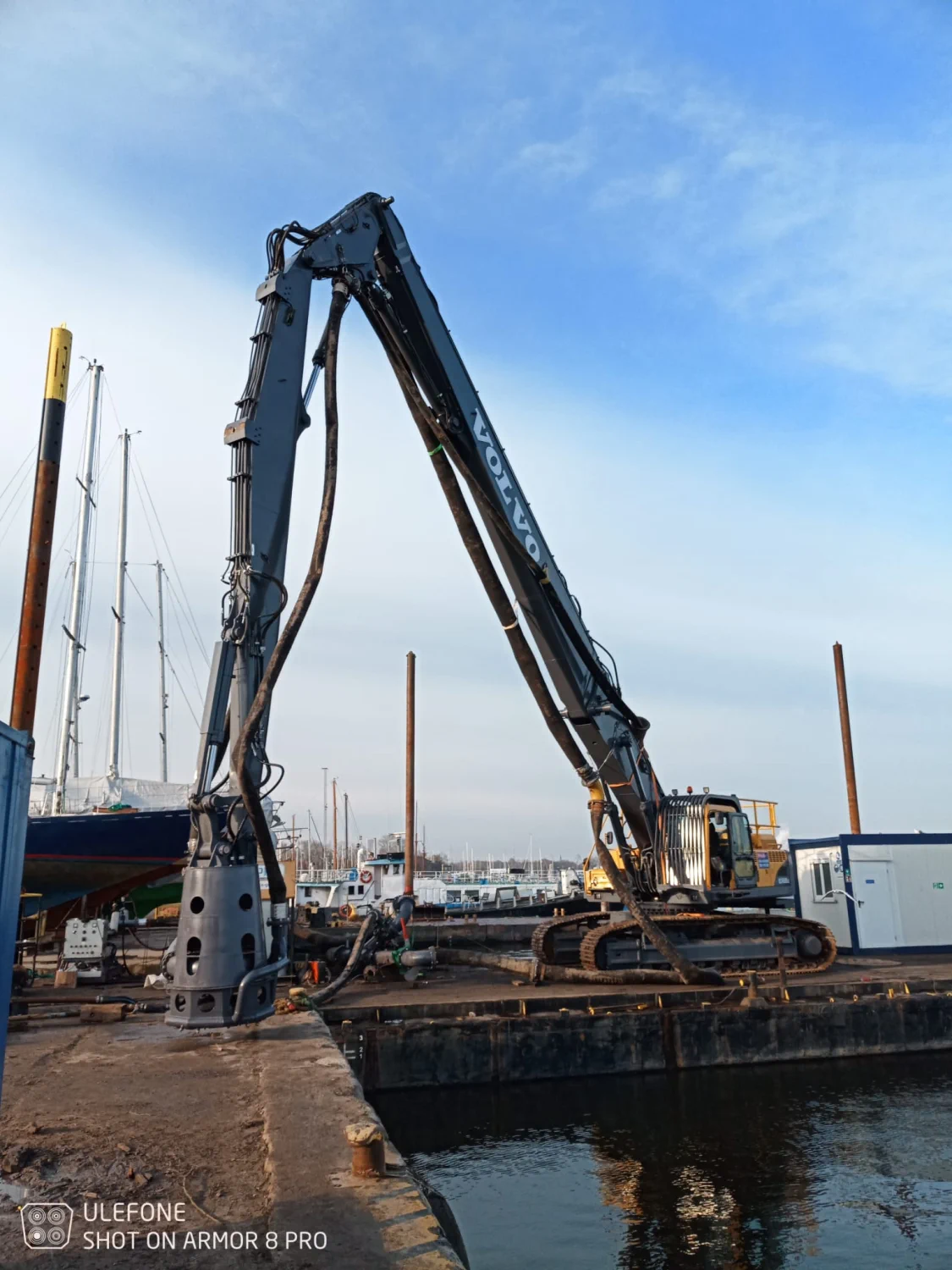
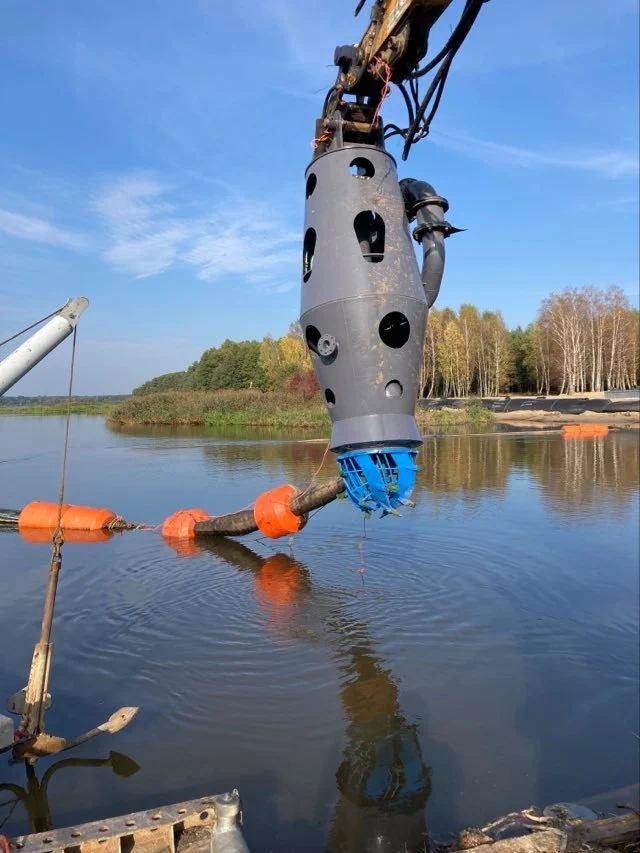
Our company offers a new product for companies extracting sand and gravel from below the waterline, as well as for companies providing dredging services on waterways and other bodies of water.
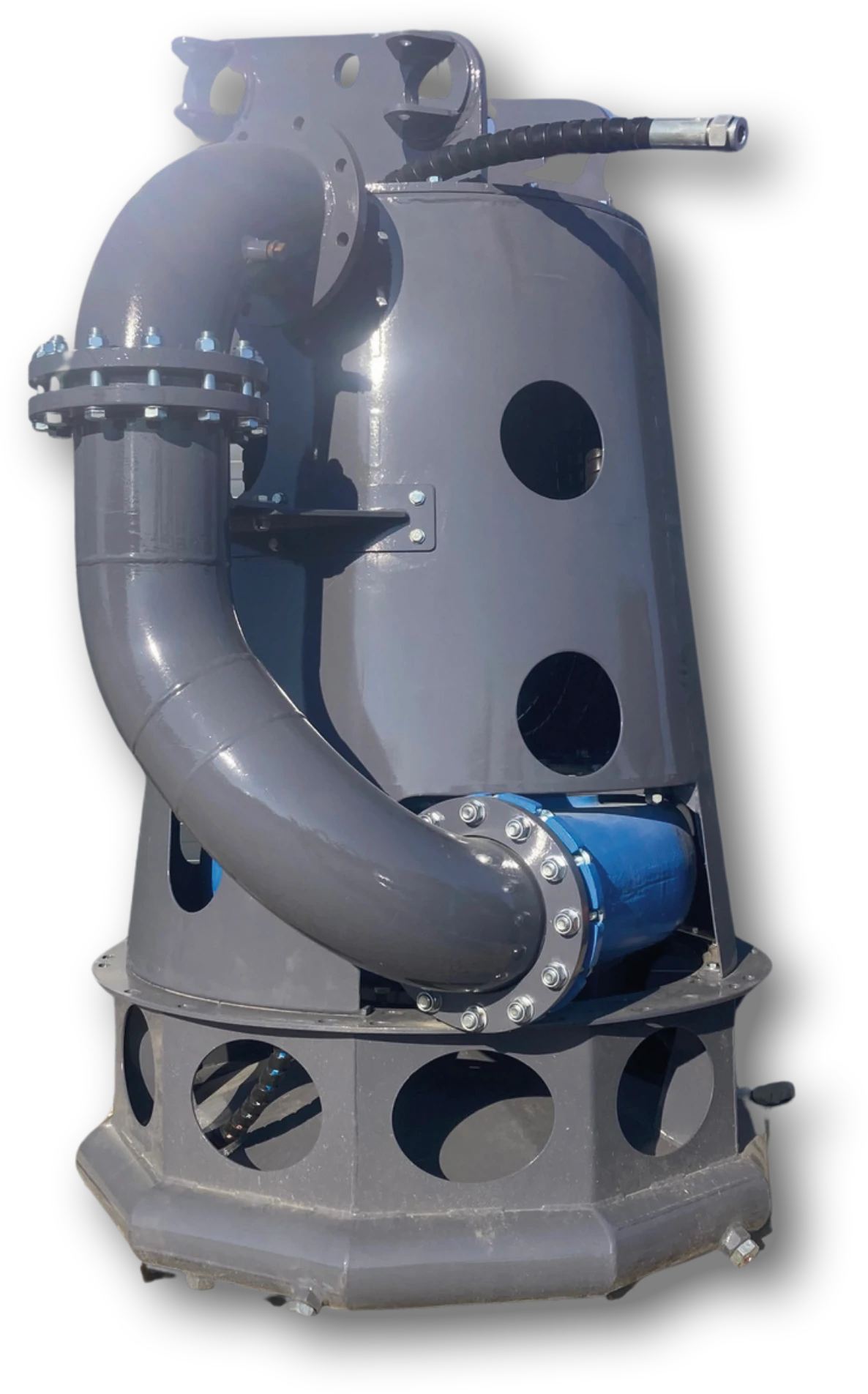
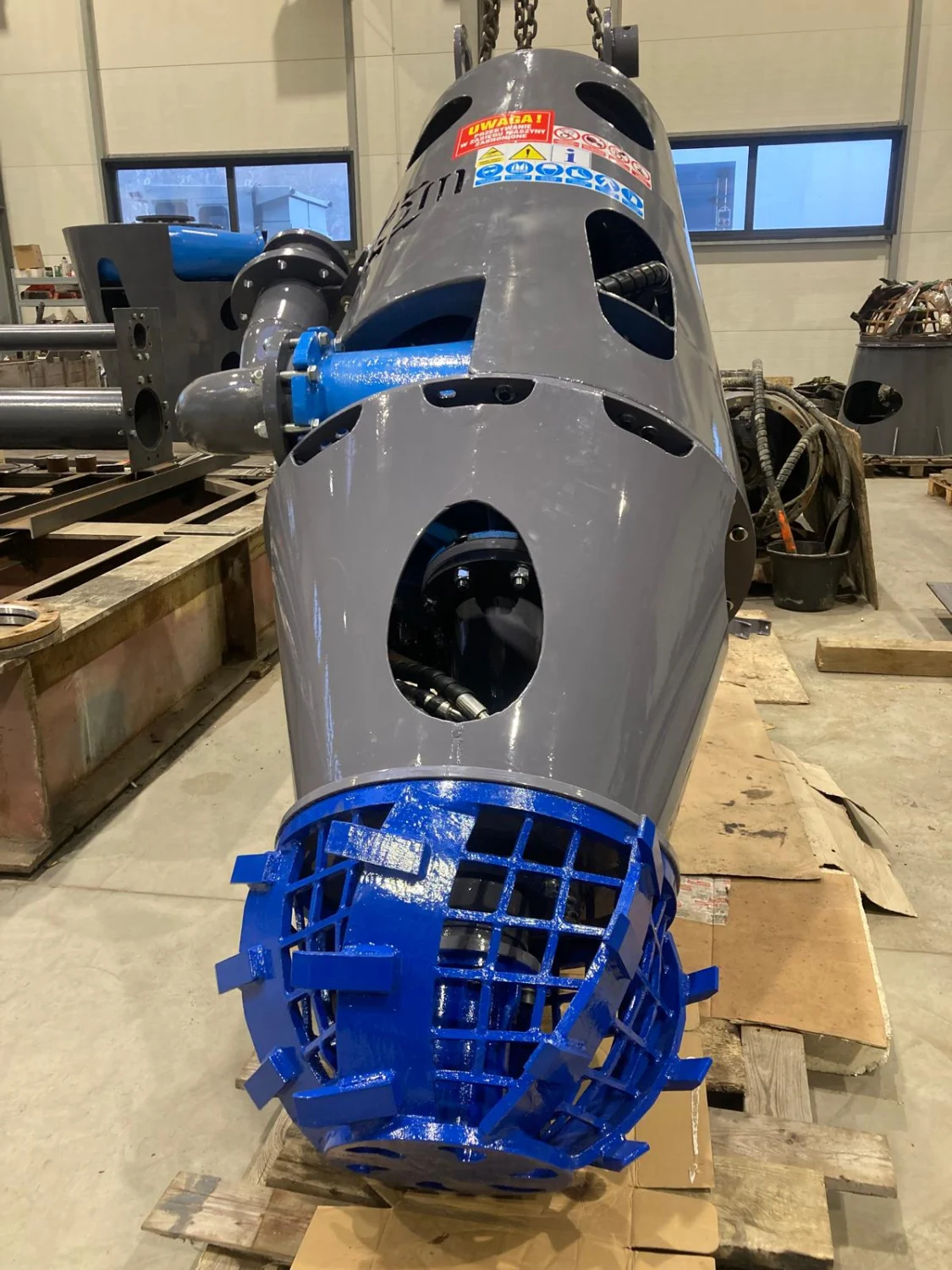
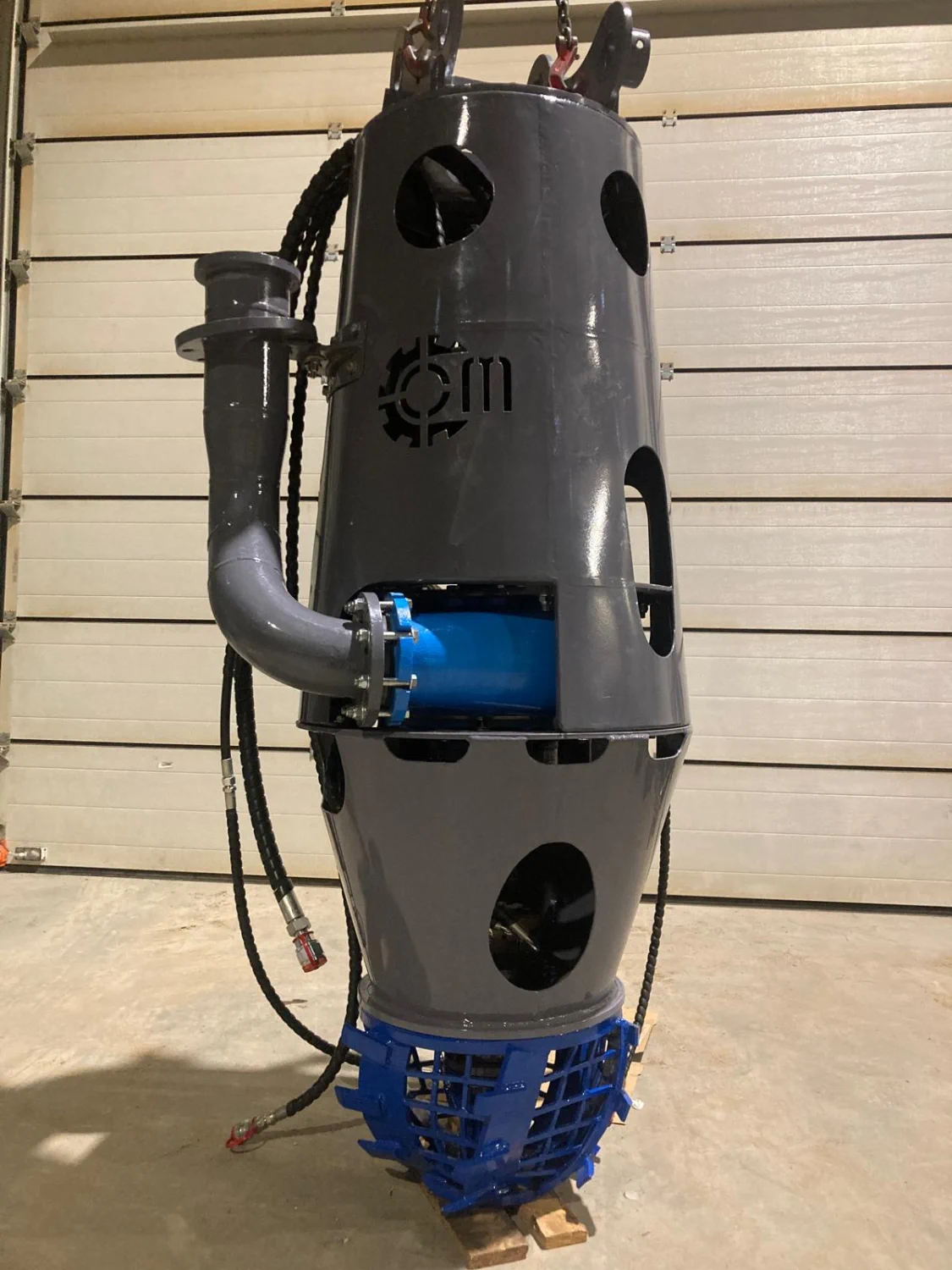
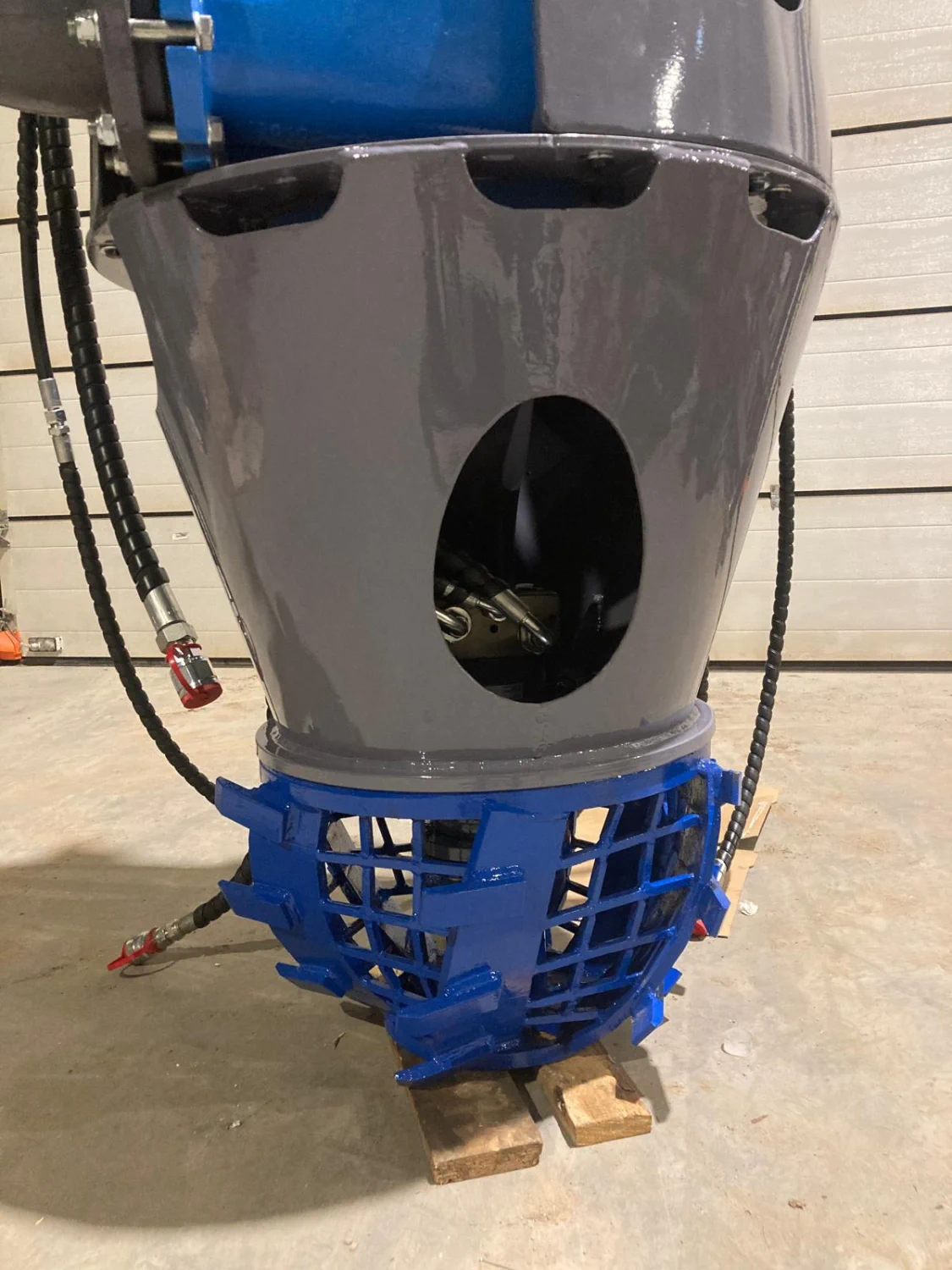
This product is a hydrostatic (oil)-driven silting pump.
This solution is very simple and requires little investment compared to the investment required for a traditional dredger.
Because the silting pump is submerged in water during operation, it can pump sand and gravel with exceptionally high density, resulting in a lower unit extraction cost than traditional solutions.
We manufacture four types of pumps with varying capacities:
- SDP 150 pump – water slurry capacity of approximately 450 m³/h.
- SDP 200 pump – water slurry capacity of approximately 800 m³/h.
- SDP 250 pump – water slurry capacity of approximately 1200 m³/h.
- SDP 350 pump – water pulp capacity approx. 2400 m³/h.
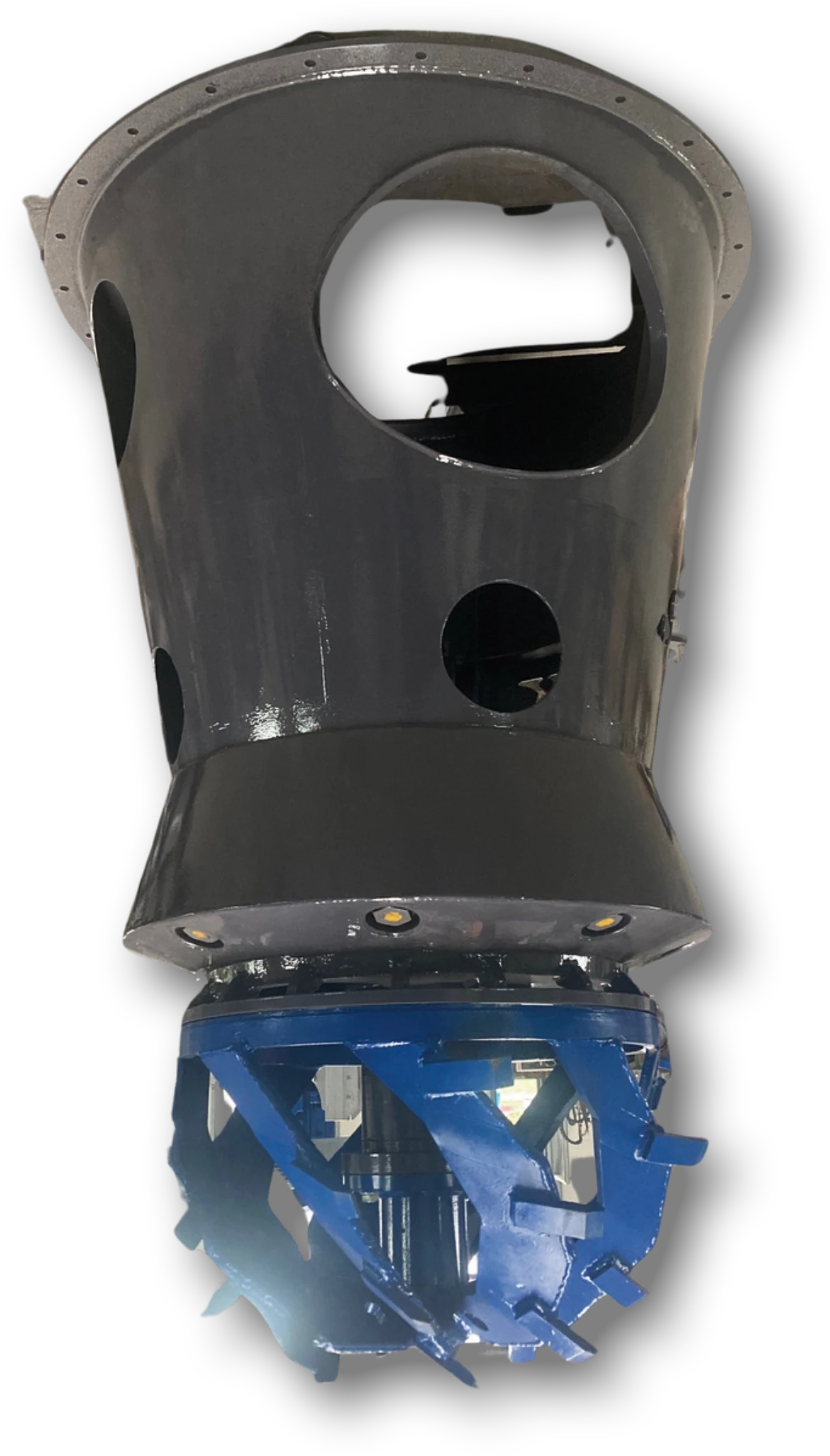
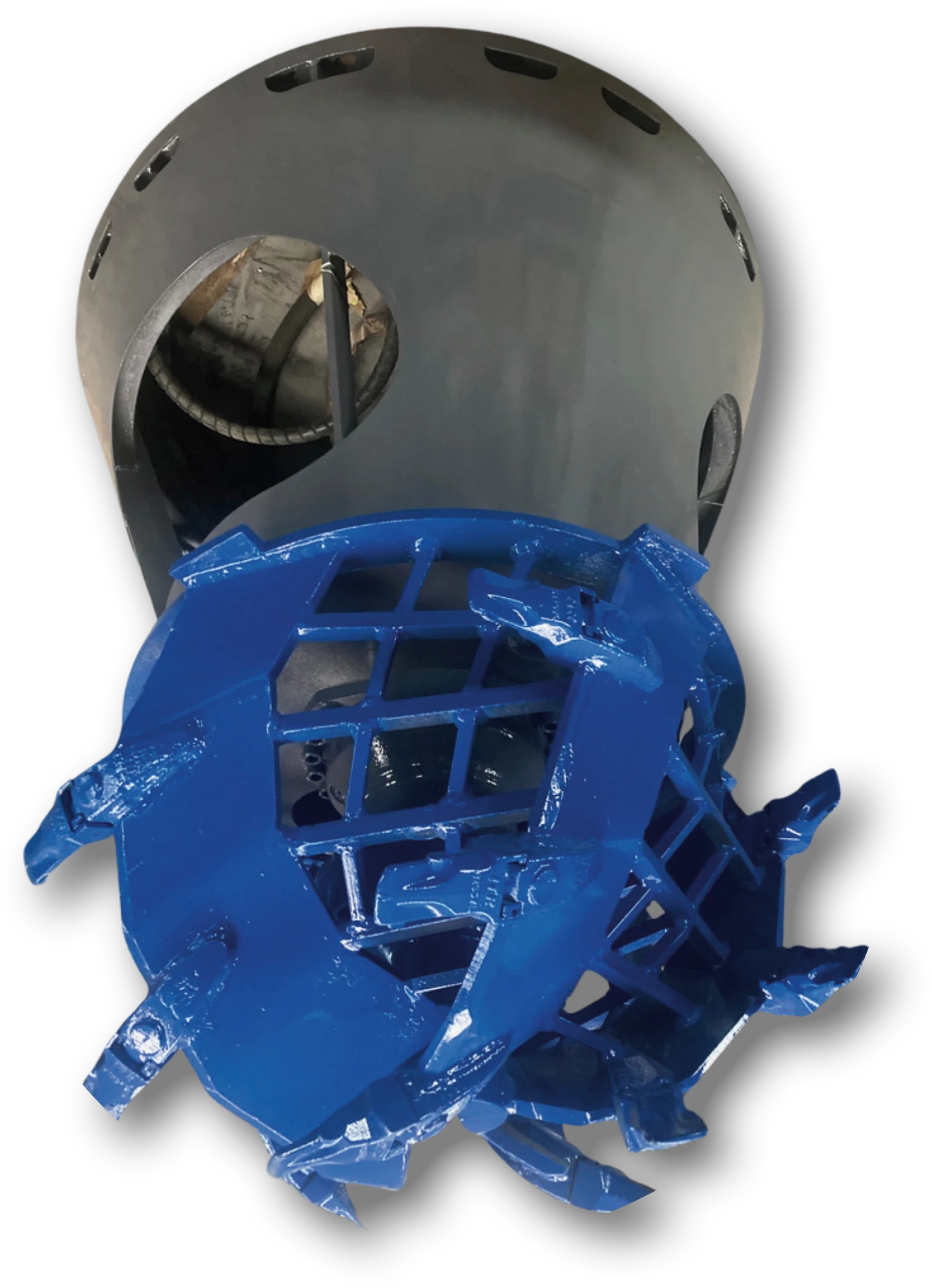
Each pump can be supplied with five interchangeable heads:
- Heads with jet nozzles,
- milling heads,
- combi heads (milling heads also equipped with jet nozzles),
- auger heads,
- barge unloading heads.
Dredgers / specialized equipment
These devices have unique features and are designed for selected entities in the mining and dredging industries.
These products are divided as follows:
- Multi-3 pontoon and equipment set.
- Dredgers based on the Multi-S set.
- Dredgers for operation at very great depths.
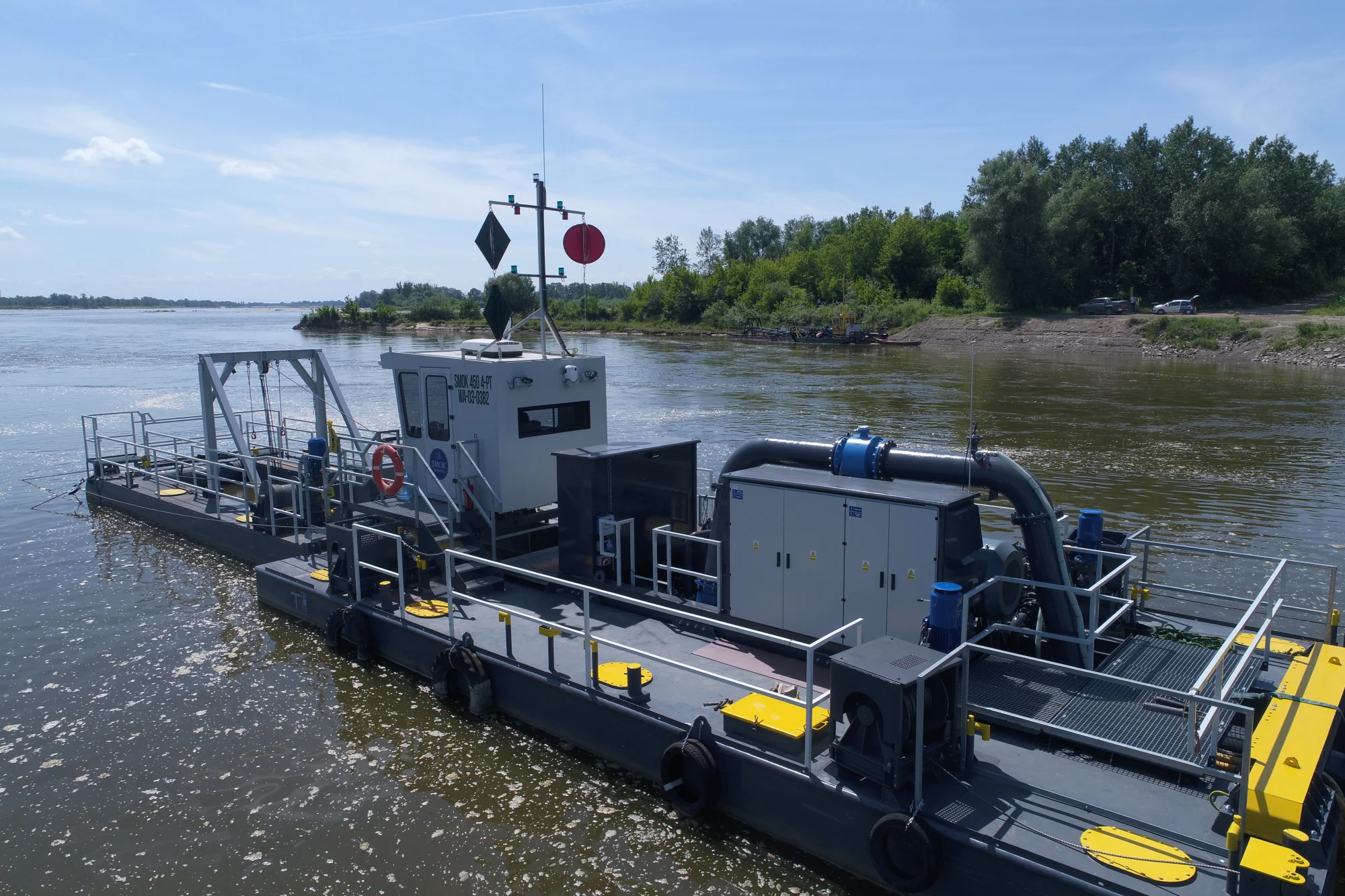
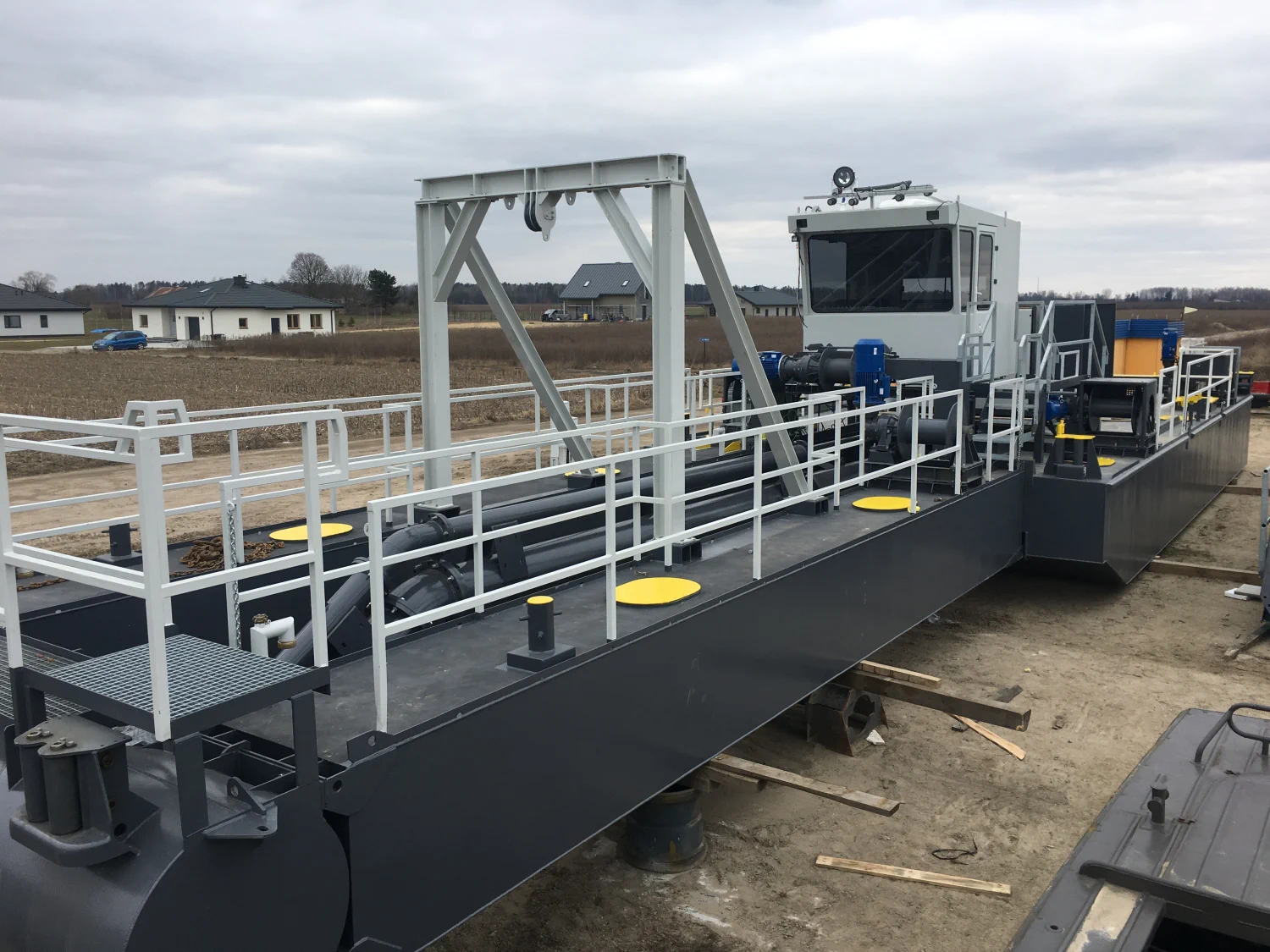
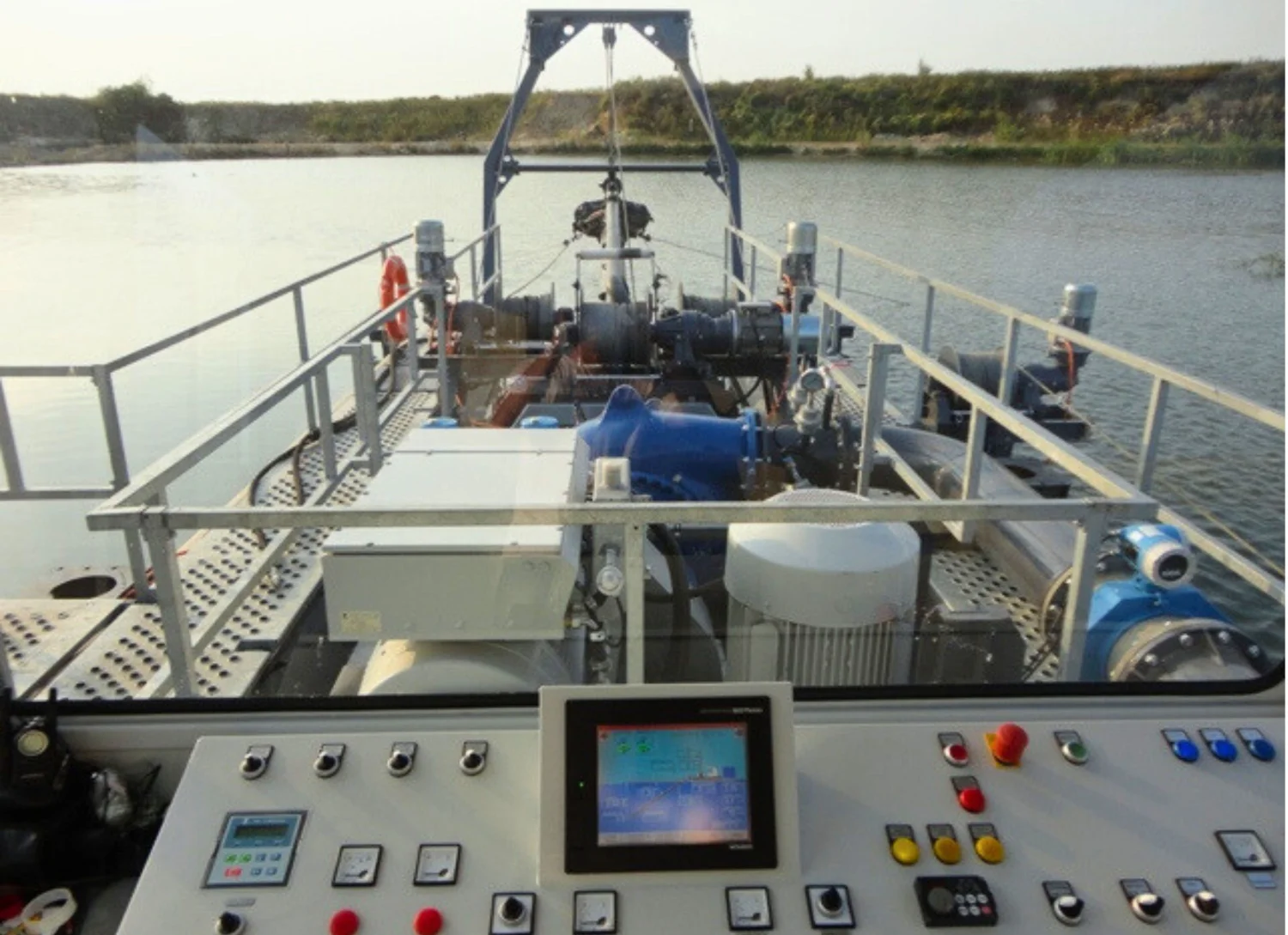
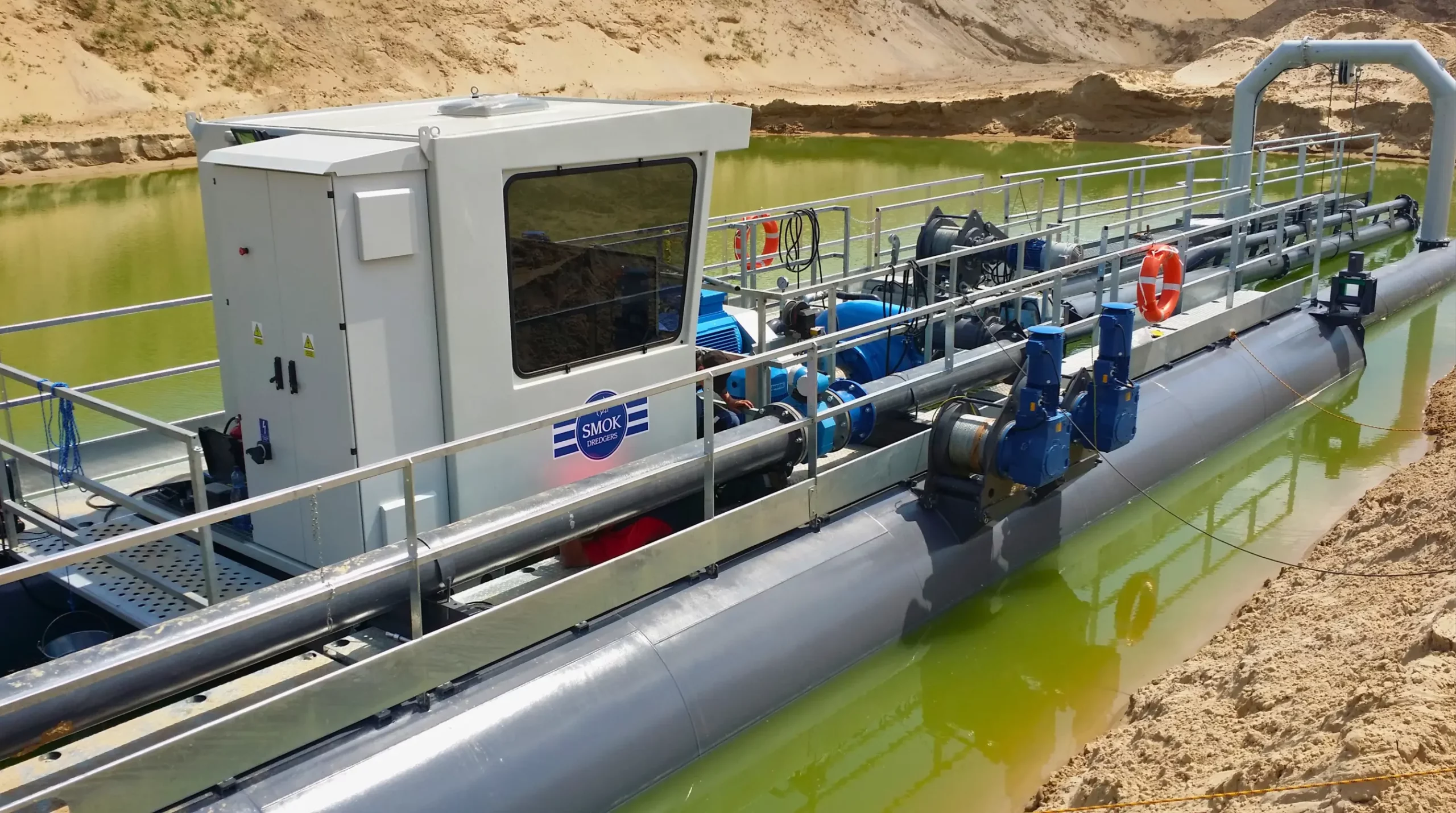
The Multi-3 kit is a universal, modular solution designed for a variety of complex dredging operations. This applies to both silting and mechanical work using an excavator.
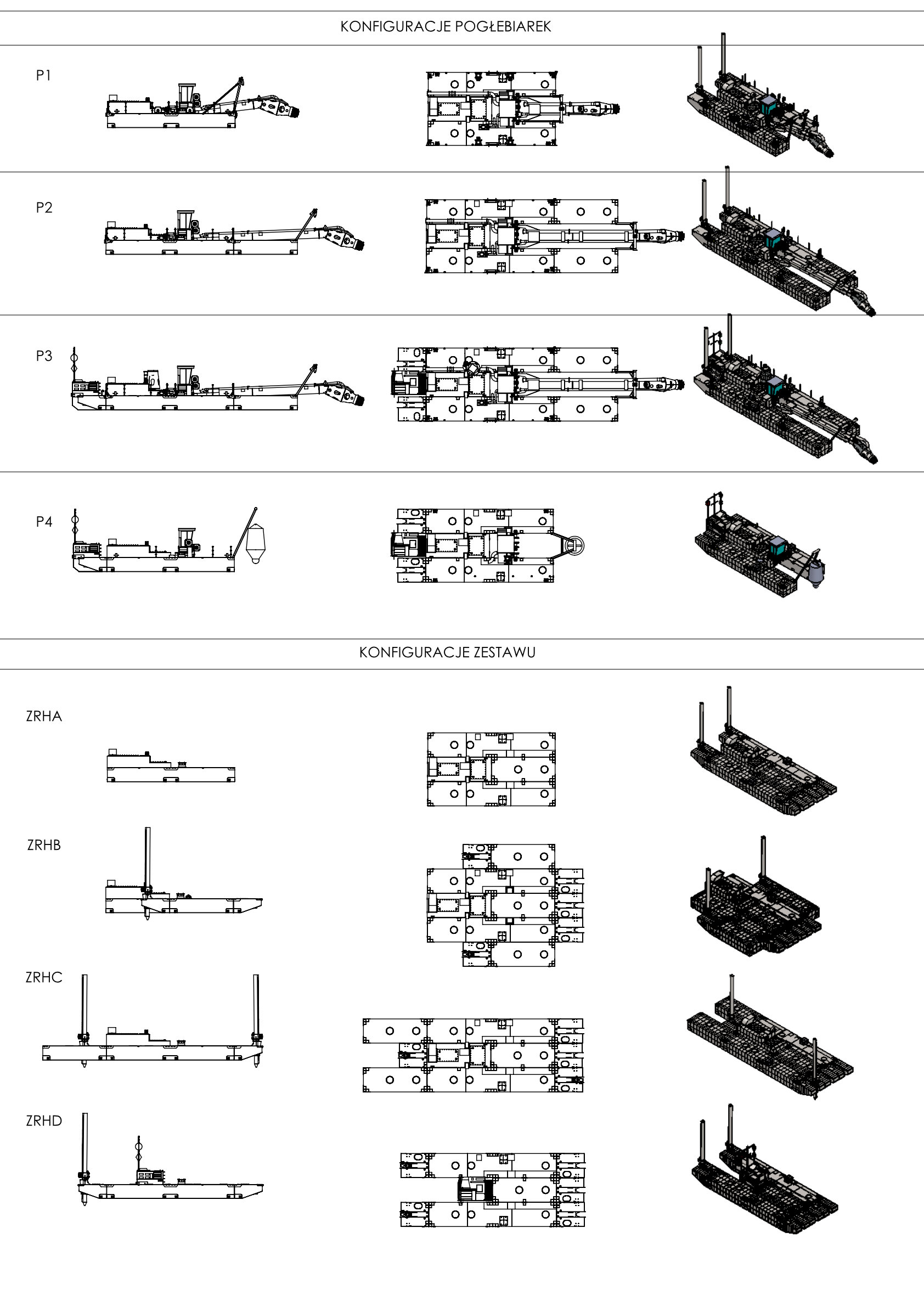
The kit consists of several pontoons and a set of accessories. A unique feature of the kit is that it allows the same components to be used to assemble dredgers with different characteristics, capable of digging to depths: for example, P1 up to 7m, P2 up to 12.5m, and P4 up to 40m. They allow for operation in rivers with strong currents and in closed reservoirs. They anchor during work using winches or anchor piles. These dredgers are dredgers that utilize our SDP dredging pumps (SDP200, SDP250, and SDP350) as their working tools, as well as a dredger for long-distance pumping using two pumps operating in series.
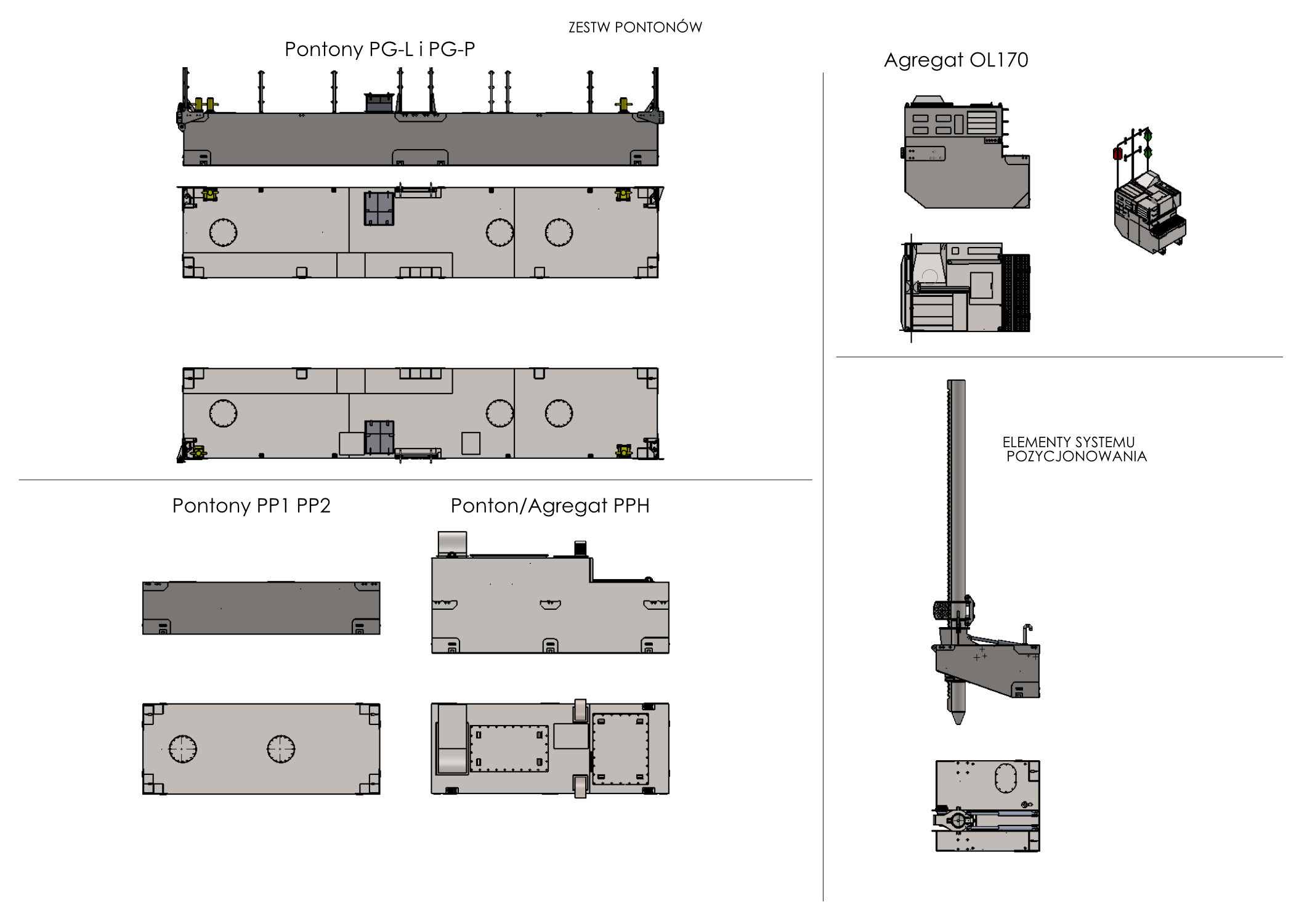
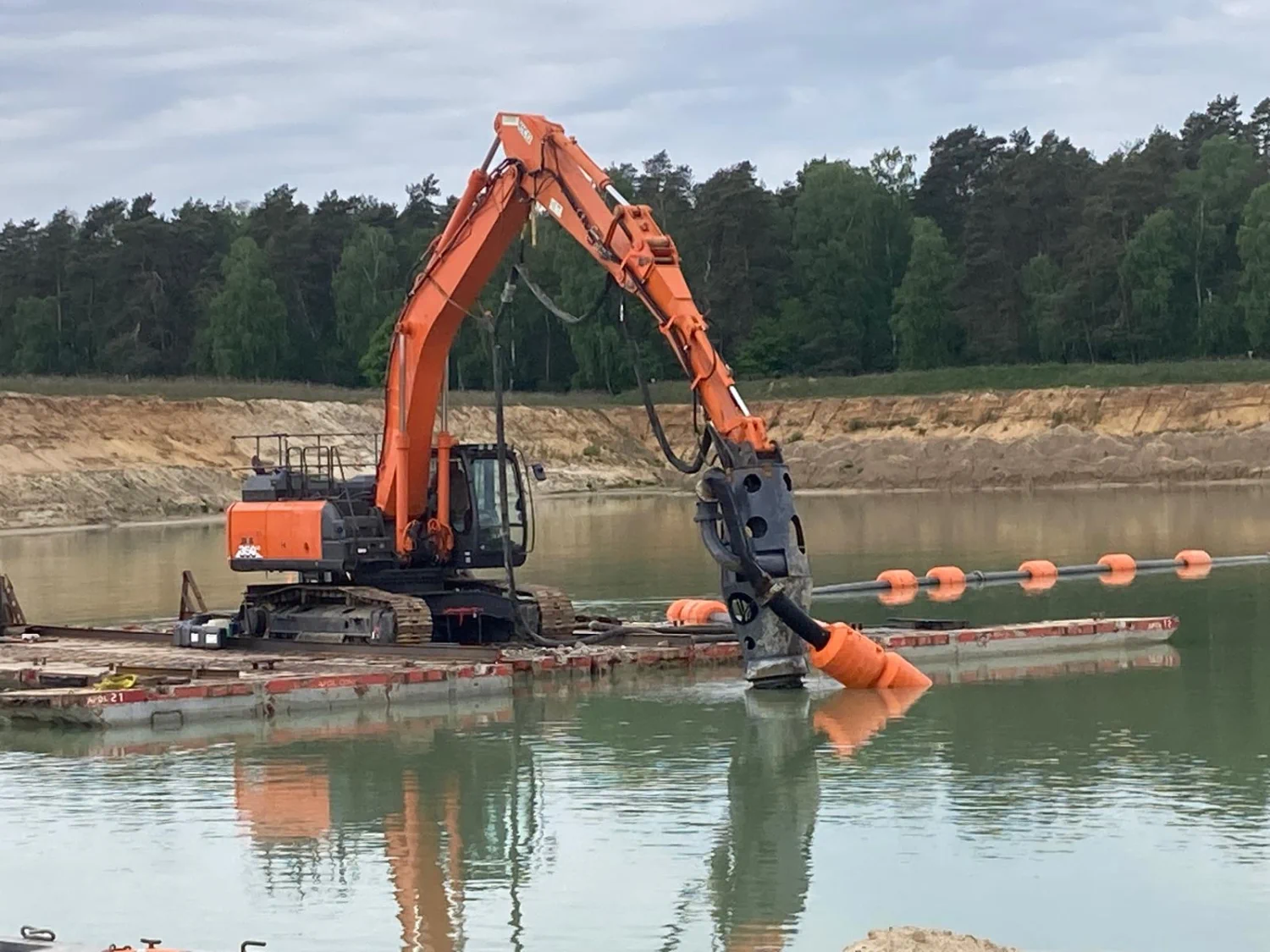
The kit is used not only to build/configure dredgers but also floating platforms, which have multiple functions. Their primary purpose is to function as a floating device for dredging and hydraulic engineering work. Both dredgers and platforms include at least one pontoon, with a built-in hydraulic power unit.
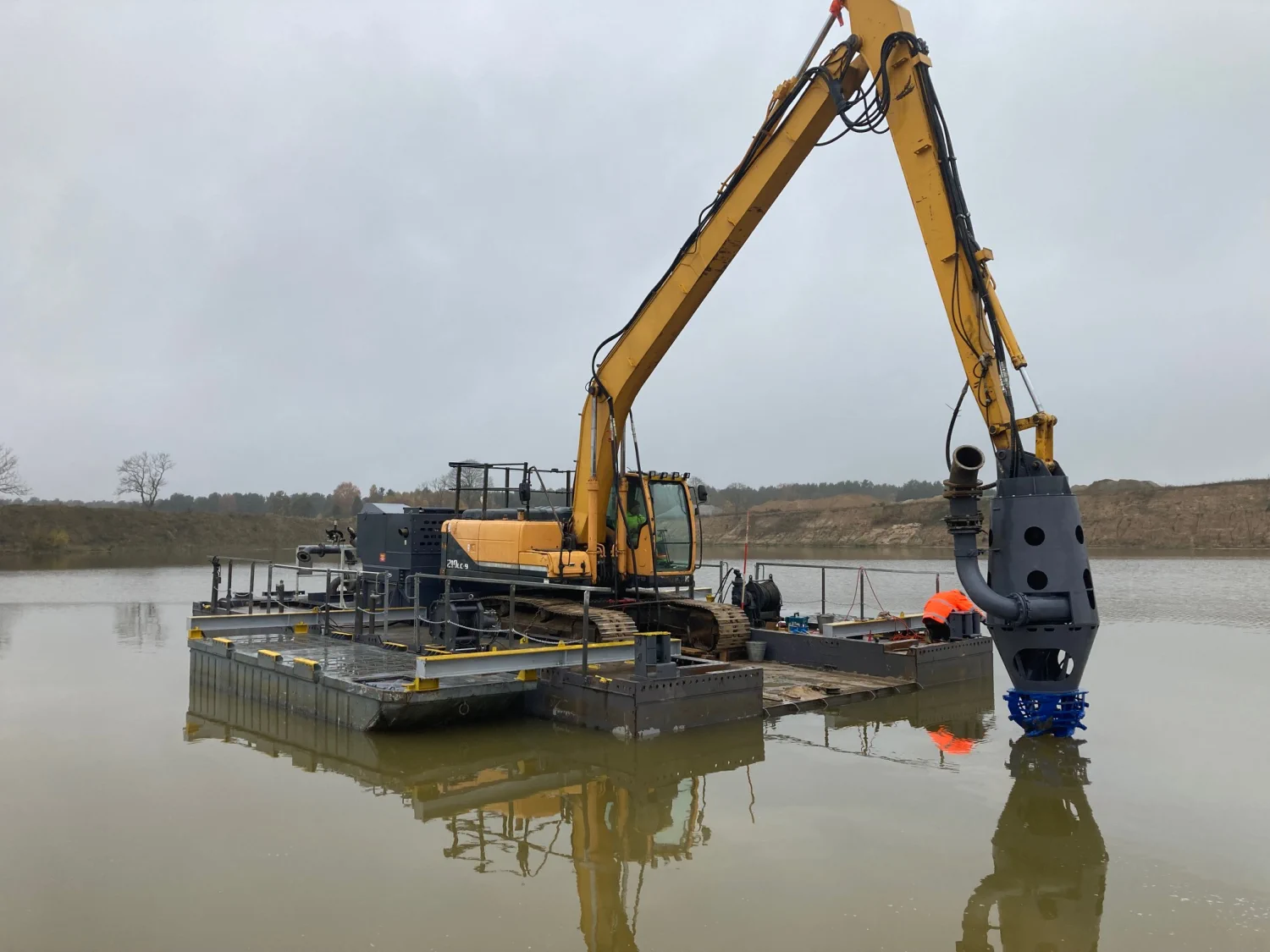
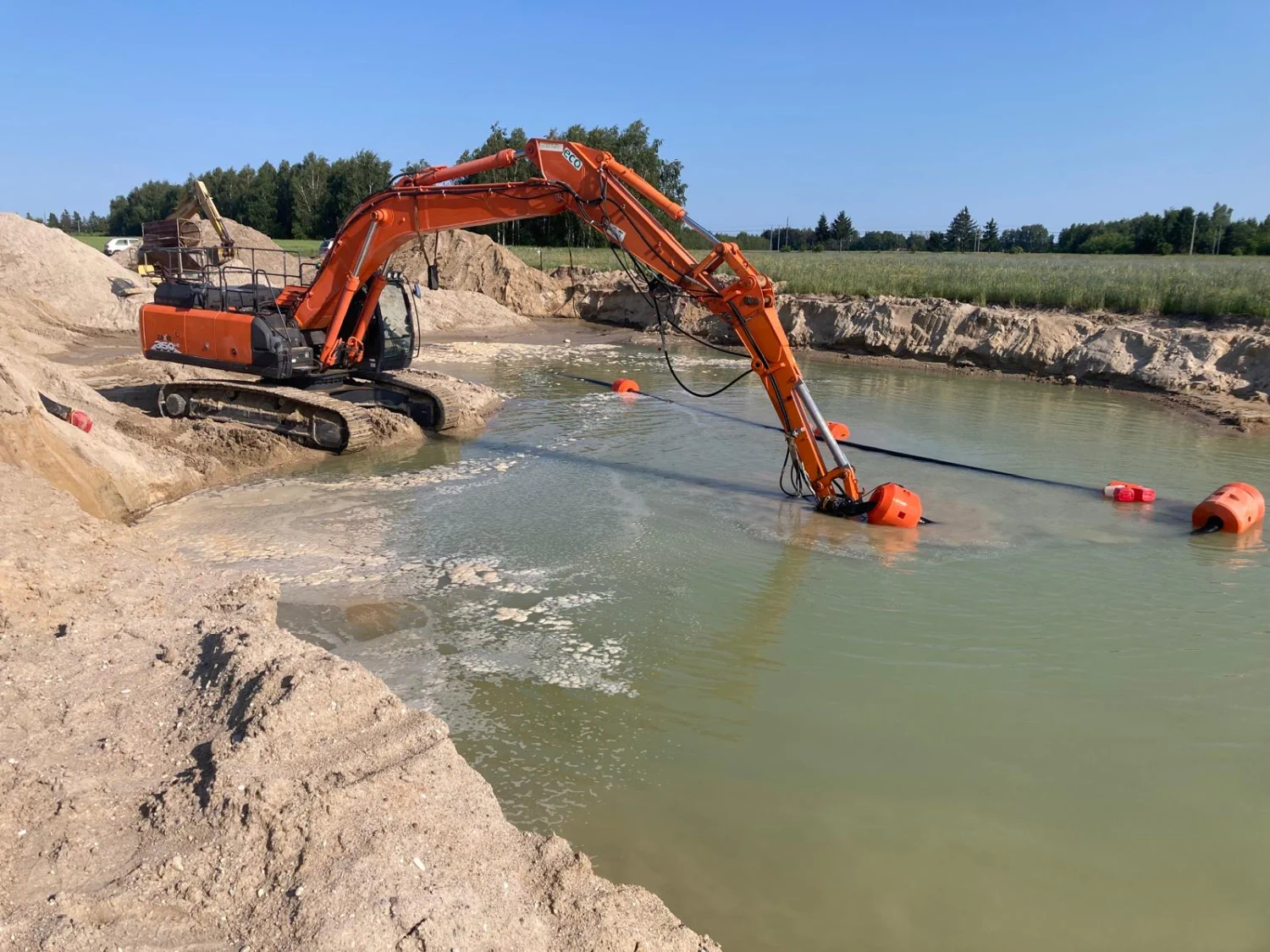
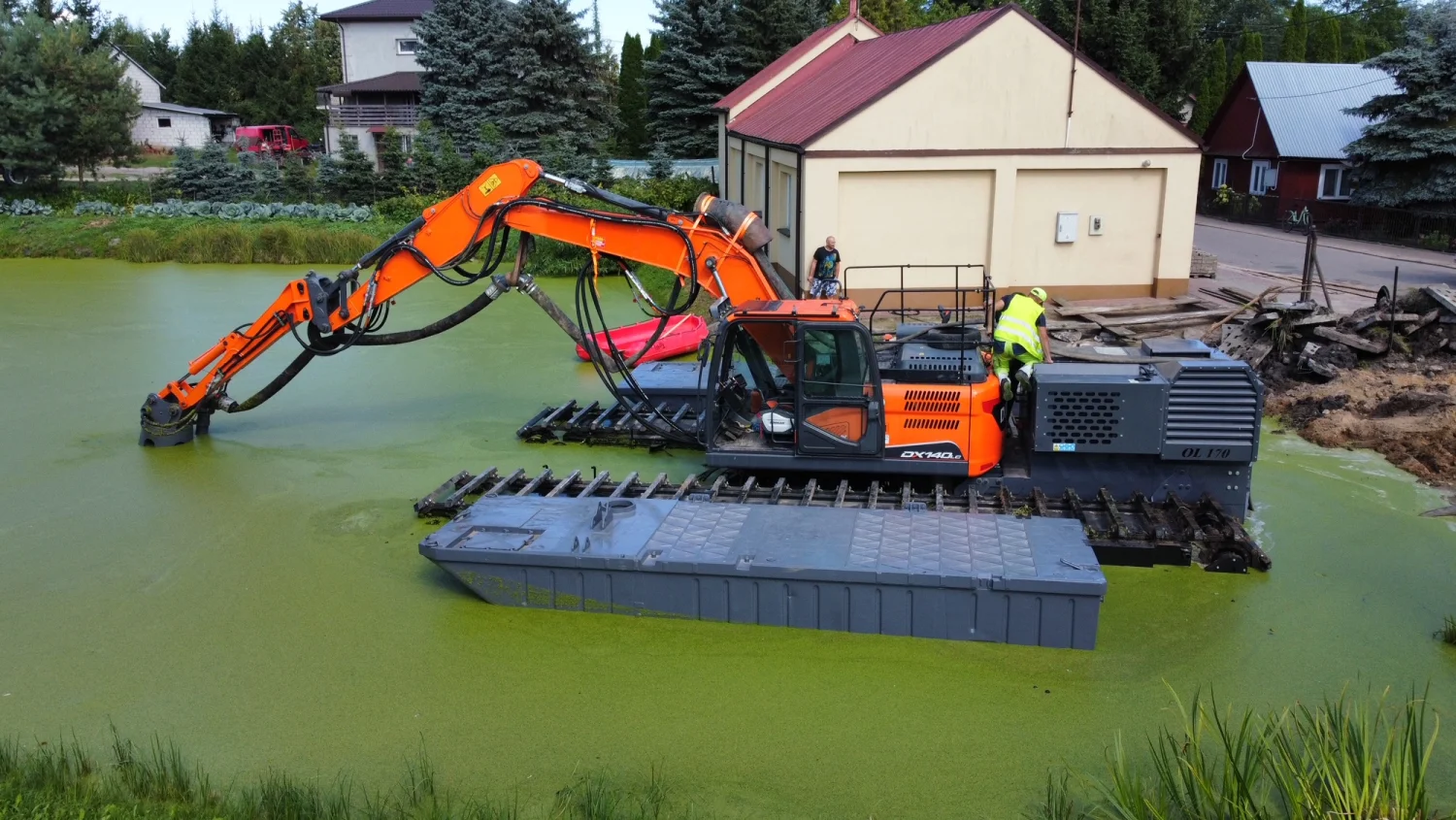
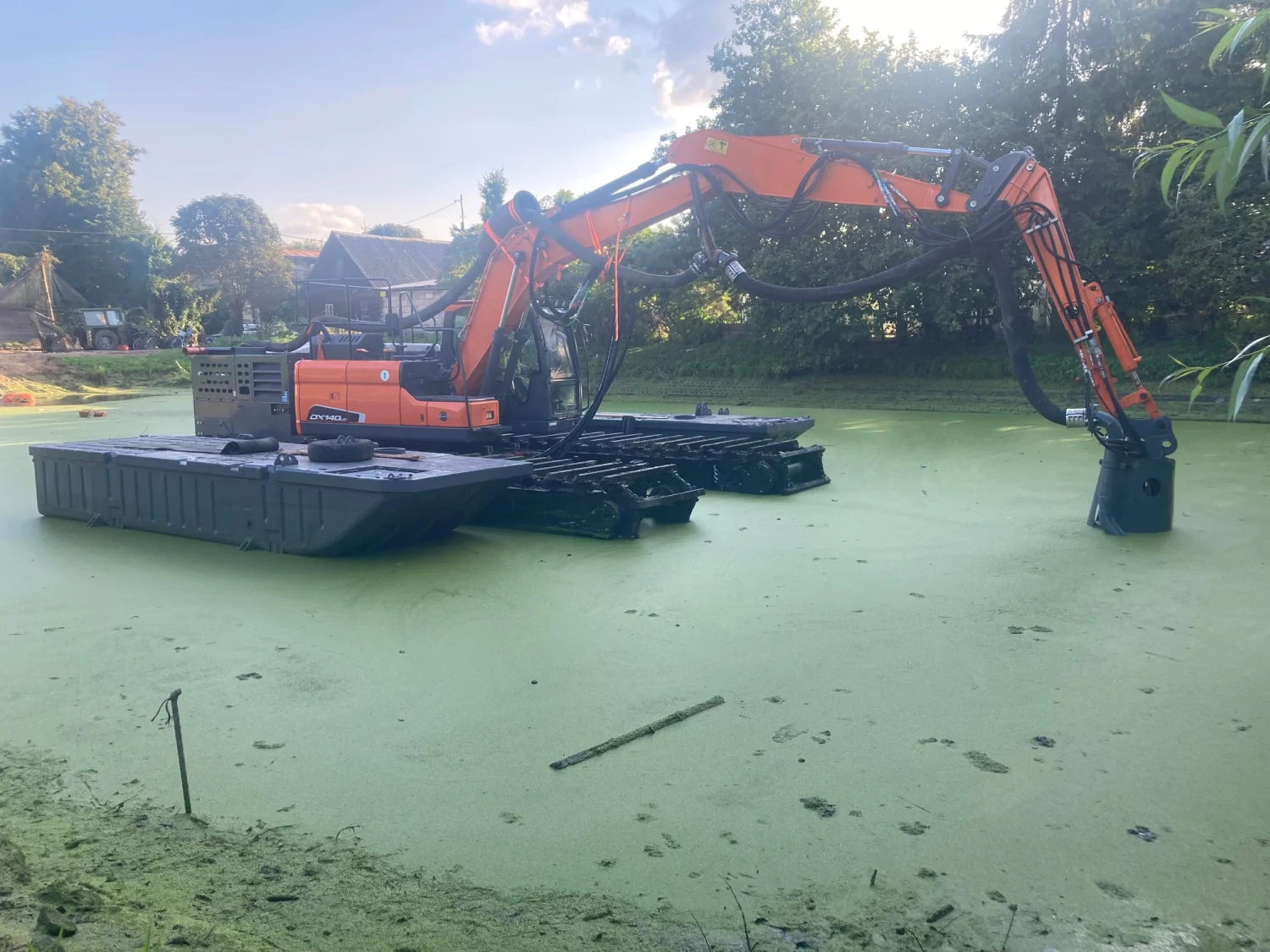
We place a crawler excavator on the hydraulic platforms. It can be used for dredging with a bucket. We can also install an SDP silting pump in place of the bucket, which then functions as a suction-suction dredger. This configuration of the dredger is more useful on construction sites where tree roots are present in the bottom or when the reservoir is partially overgrown with vegetation. Silting with a pump mounted on the excavator’s arm allows for pumping out sand from under the reed bed. Furthermore, the fact that the excavator is positioned on the system allows for the conversion from a silting pump back to a bucket if necessary, removing obstacles such as tree stumps or old tree roots from the bottom.
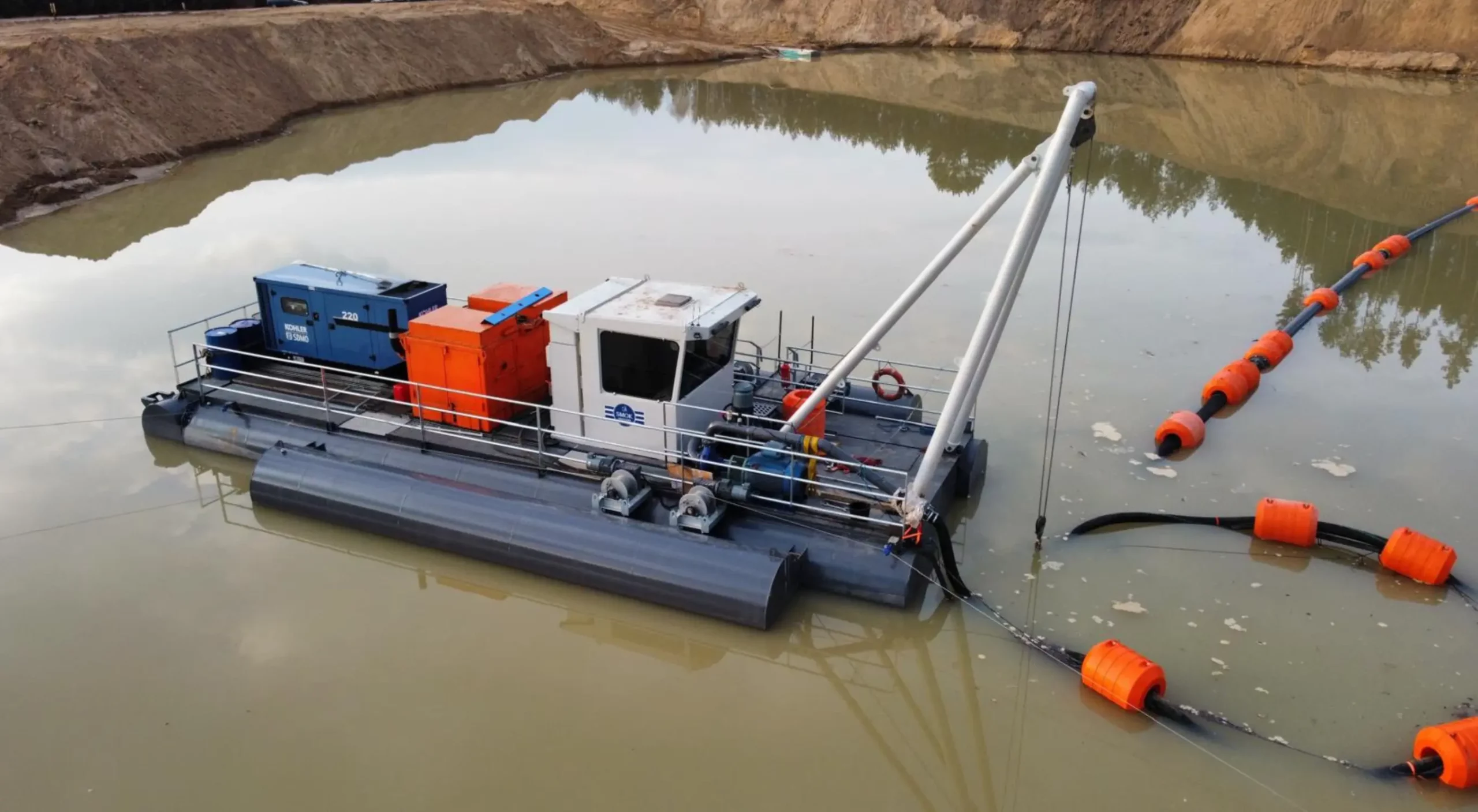
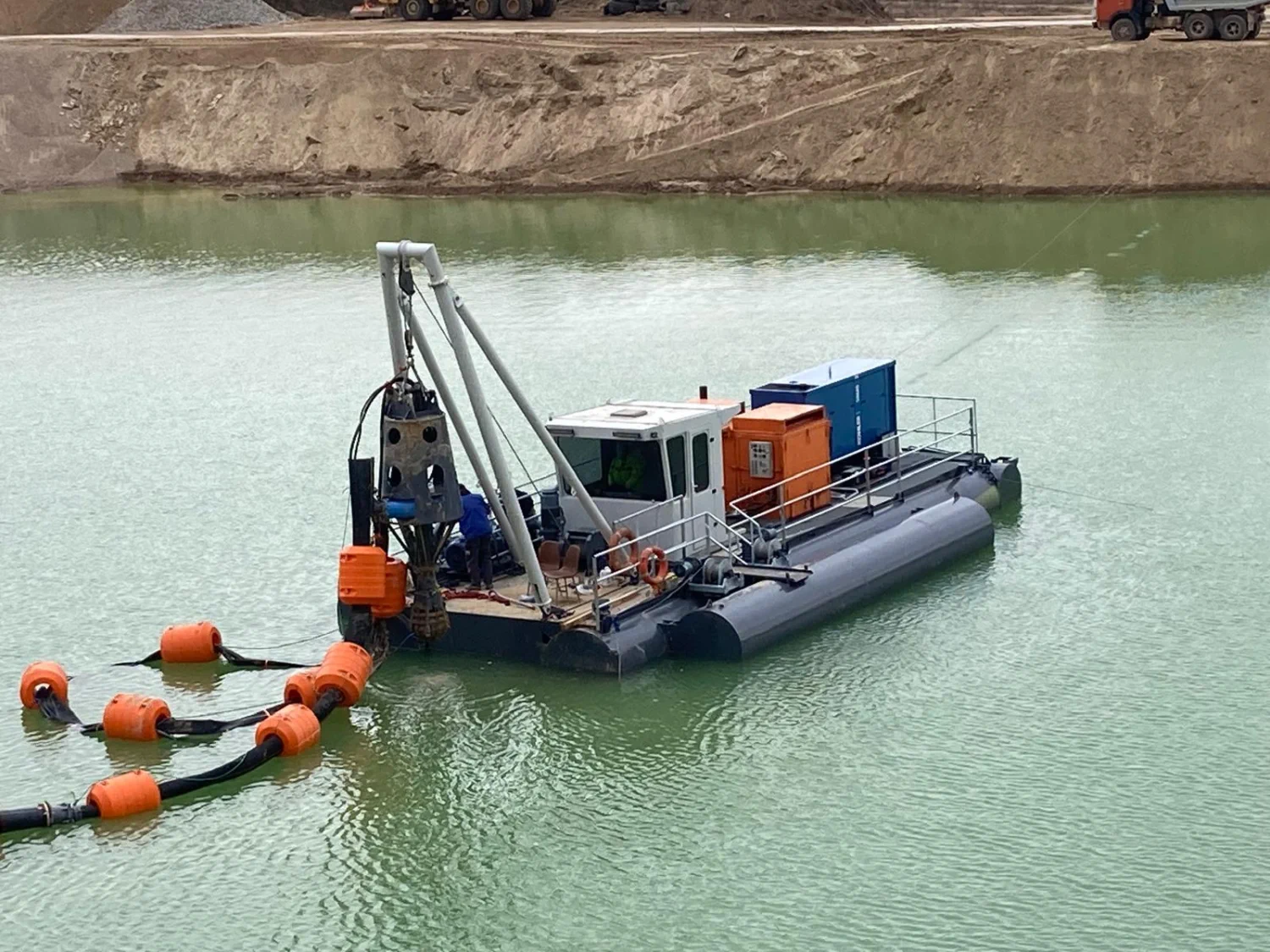
This is a small, simplified version of a modular system that can be used to configure small suction dredgers with various functionalities. These dredgers utilize SDP150 (up to 450 m³/h) or SDP200 (up to 800 m³/h) pumps with electric or oil drives. They can be configured for various digging depths.
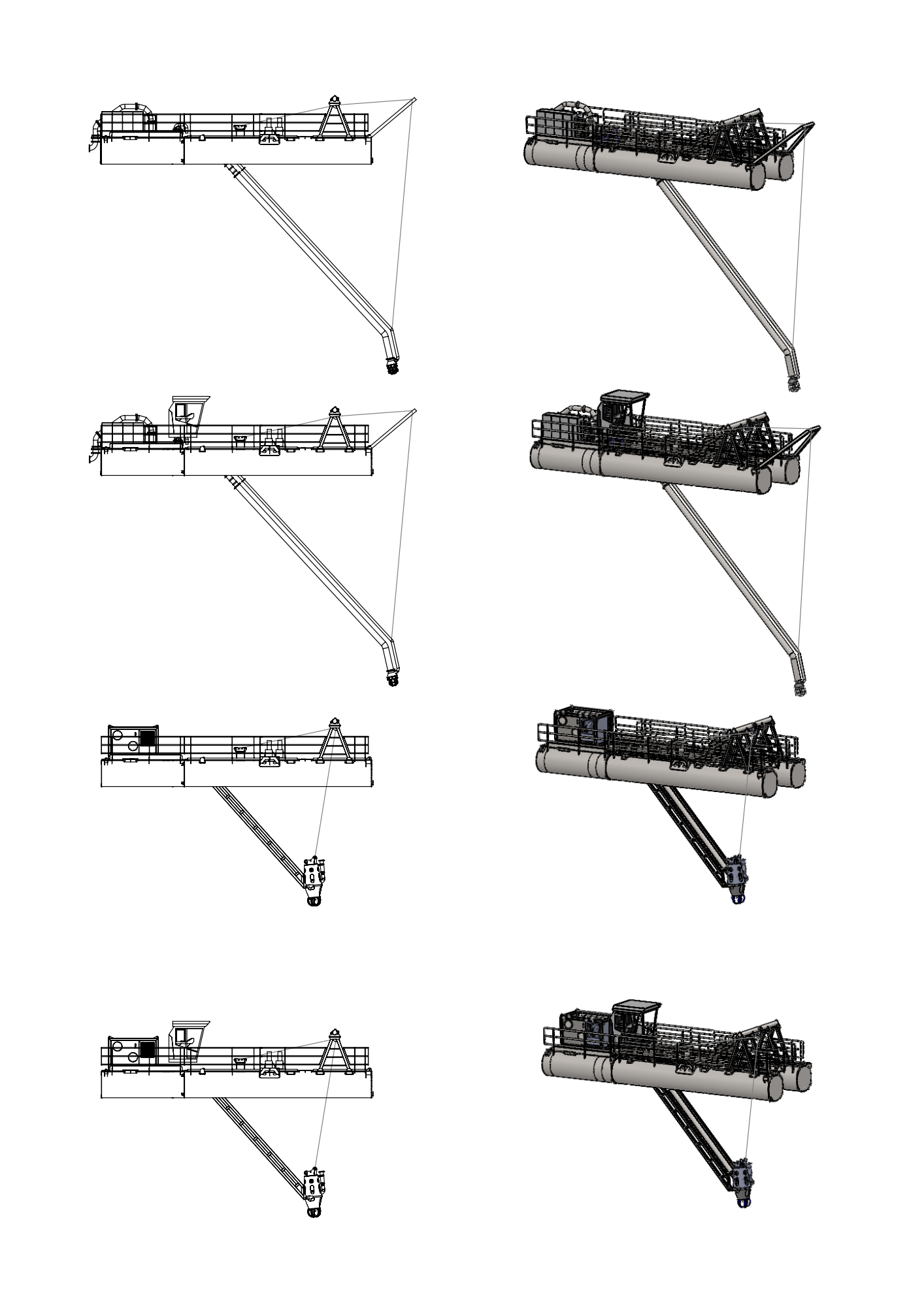
We offer two types:
- Hydraulic-driven
- Electric-driven
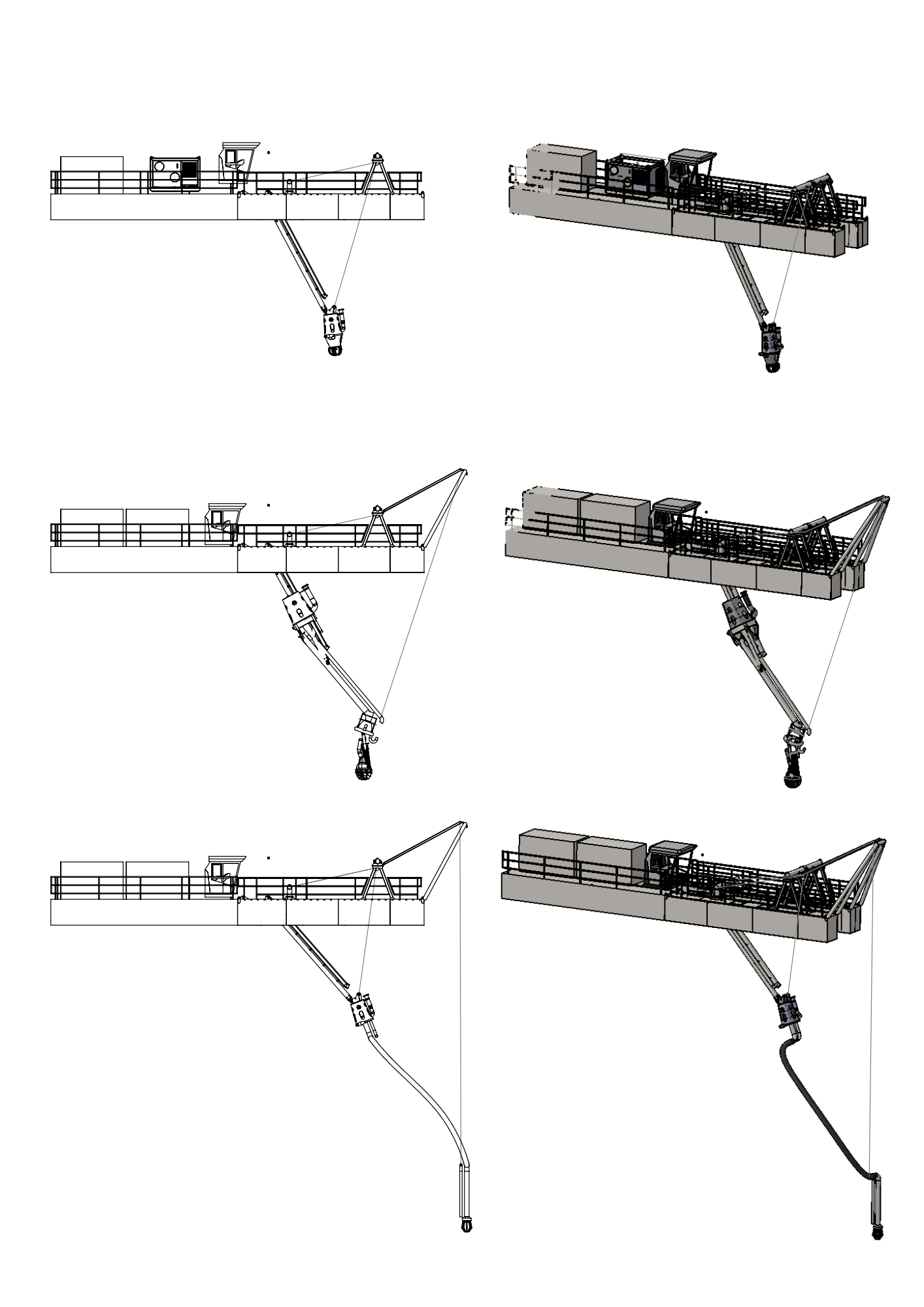
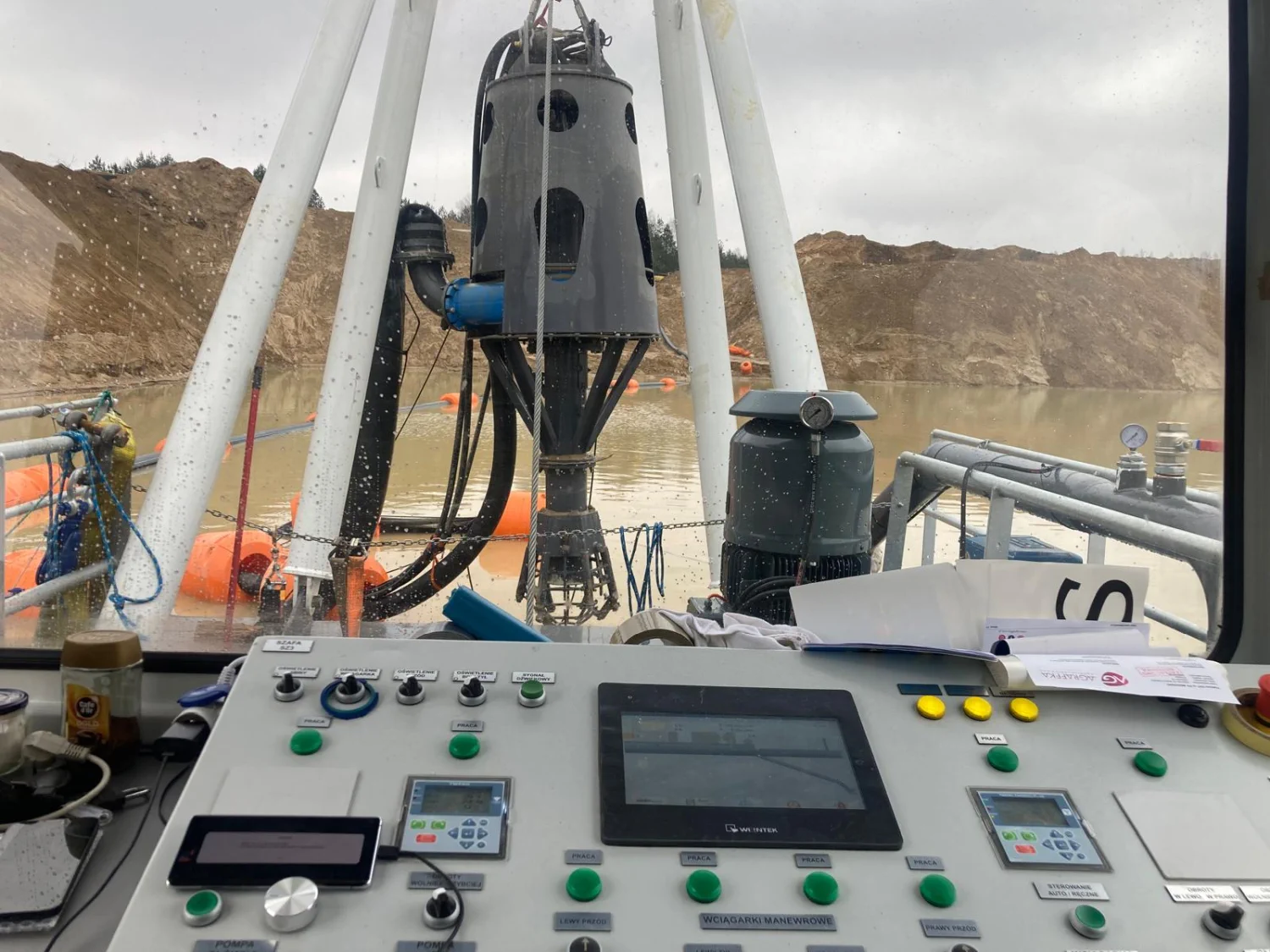
Deep-depth dredgers with hydraulic drives are based on SDP pumps. They lower the pump to the bottom of the reservoir on a rope. A hydraulic power unit is located on the dredger’s deck, which powers the pump. The jet pump and winches are electric-driven.
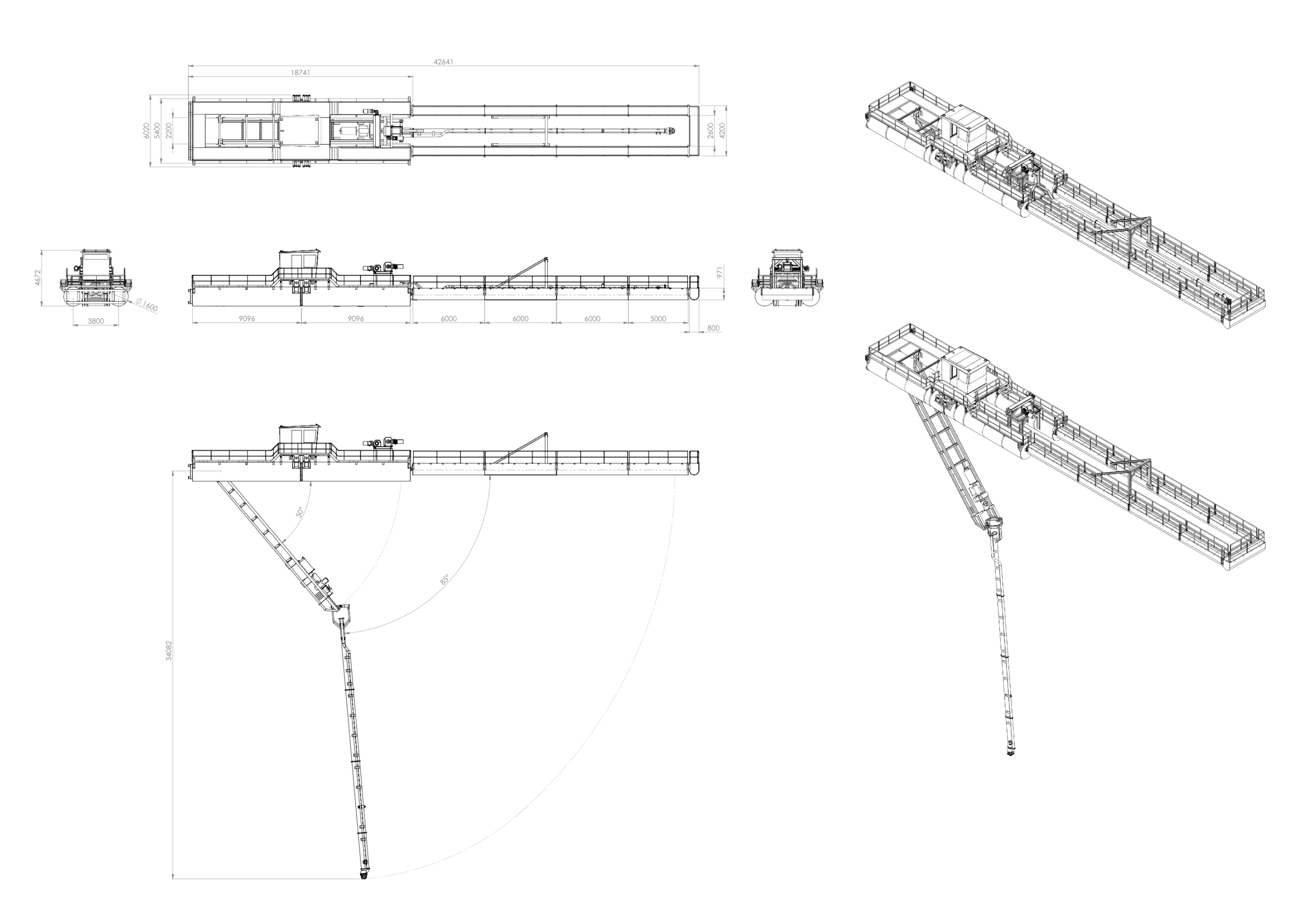
We also have design documentation for the construction of electric-powered dredgers operating to depths of 40 meters. This is a classic solution currently widely used in Germany and especially in the Netherlands. The dredger’s boom and suction pipe are two-piece. At the end of one section is a reclaiming pump designed for underwater operation, powered by an electric motor, also available for underwater use. The second section of the boom is connected to the first via a special joint that prevents the transfer of stresses arising from the very long boom. The dredger has two winches for lifting the boom.
Wading excavators
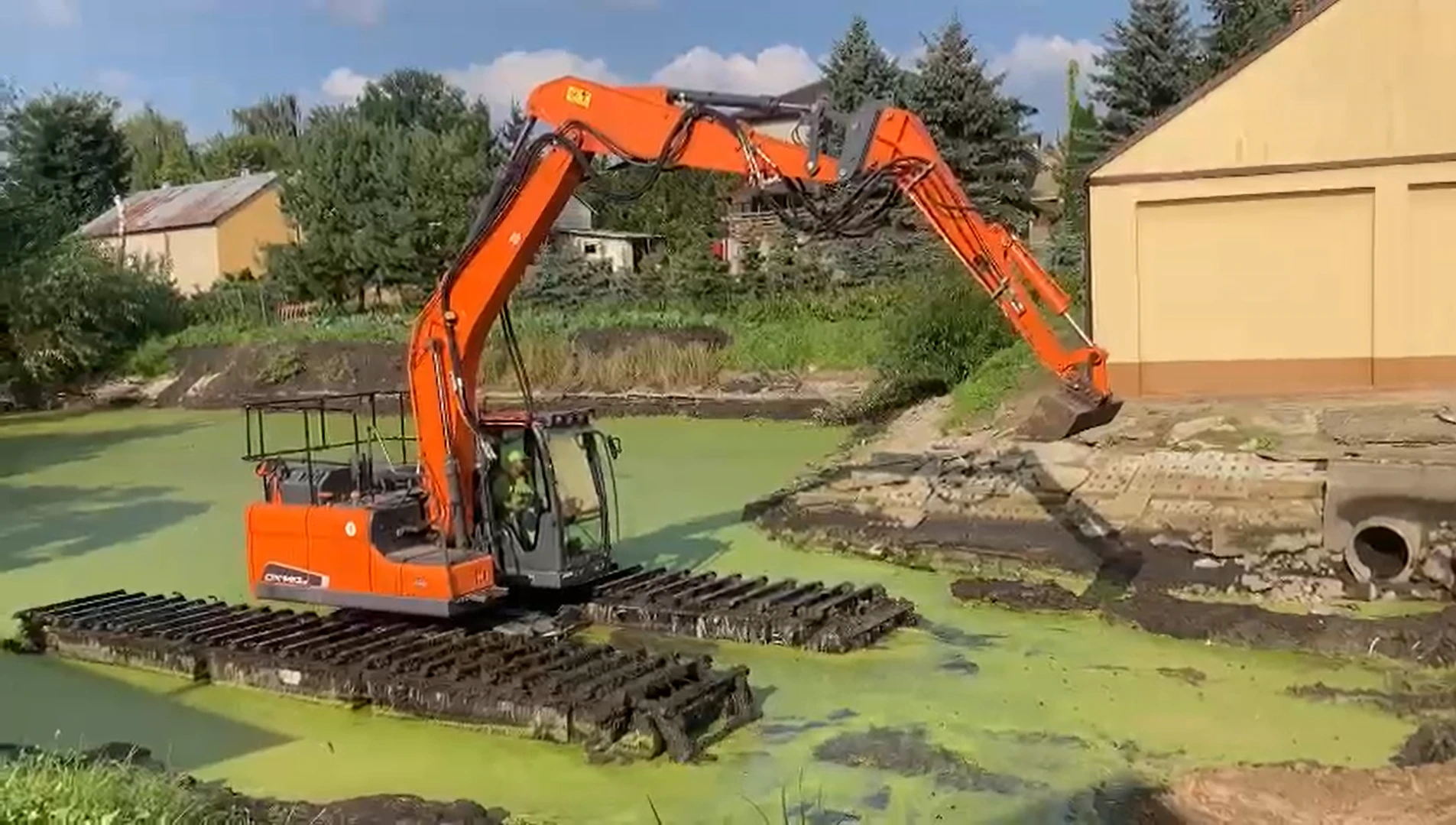
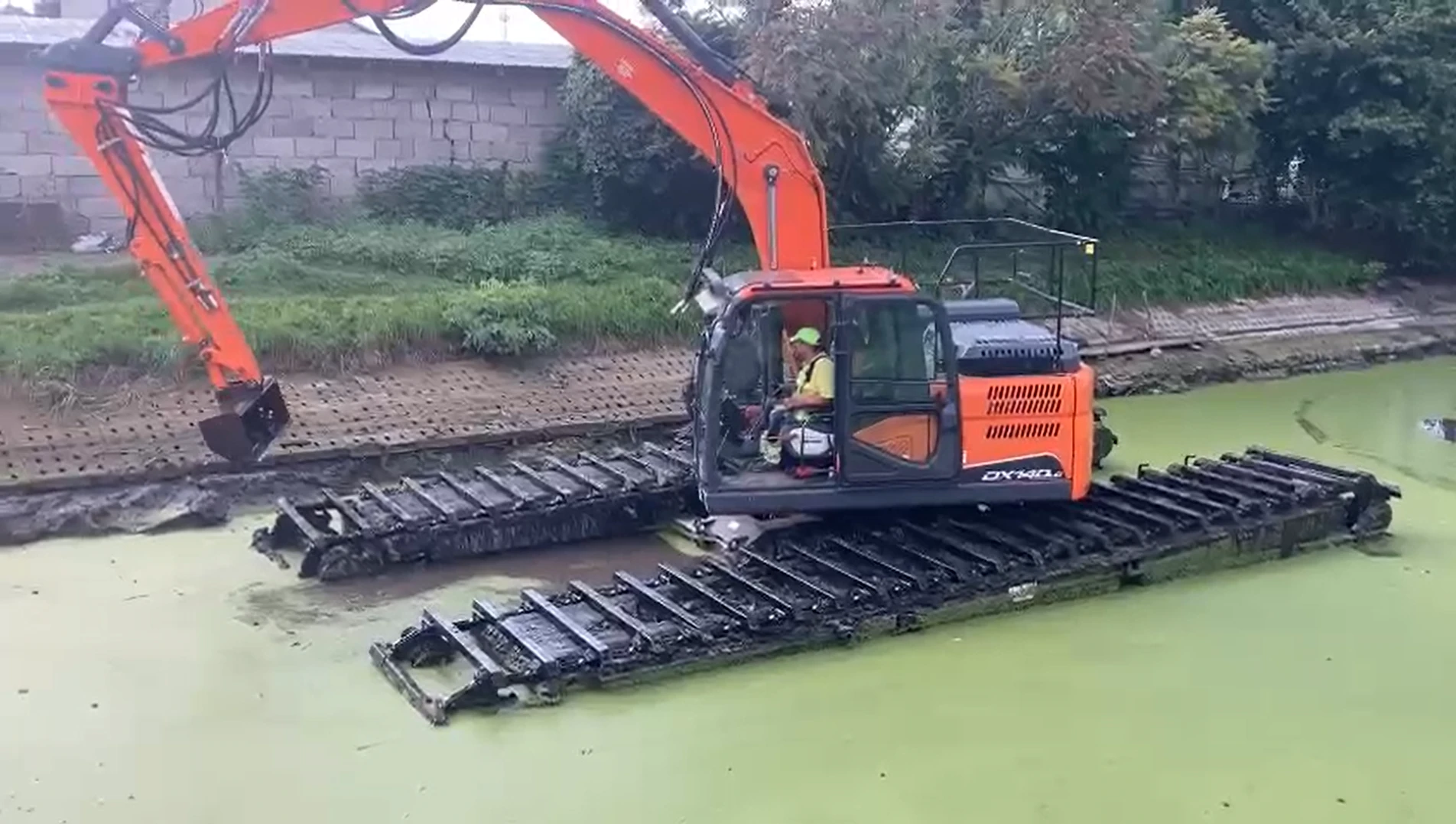
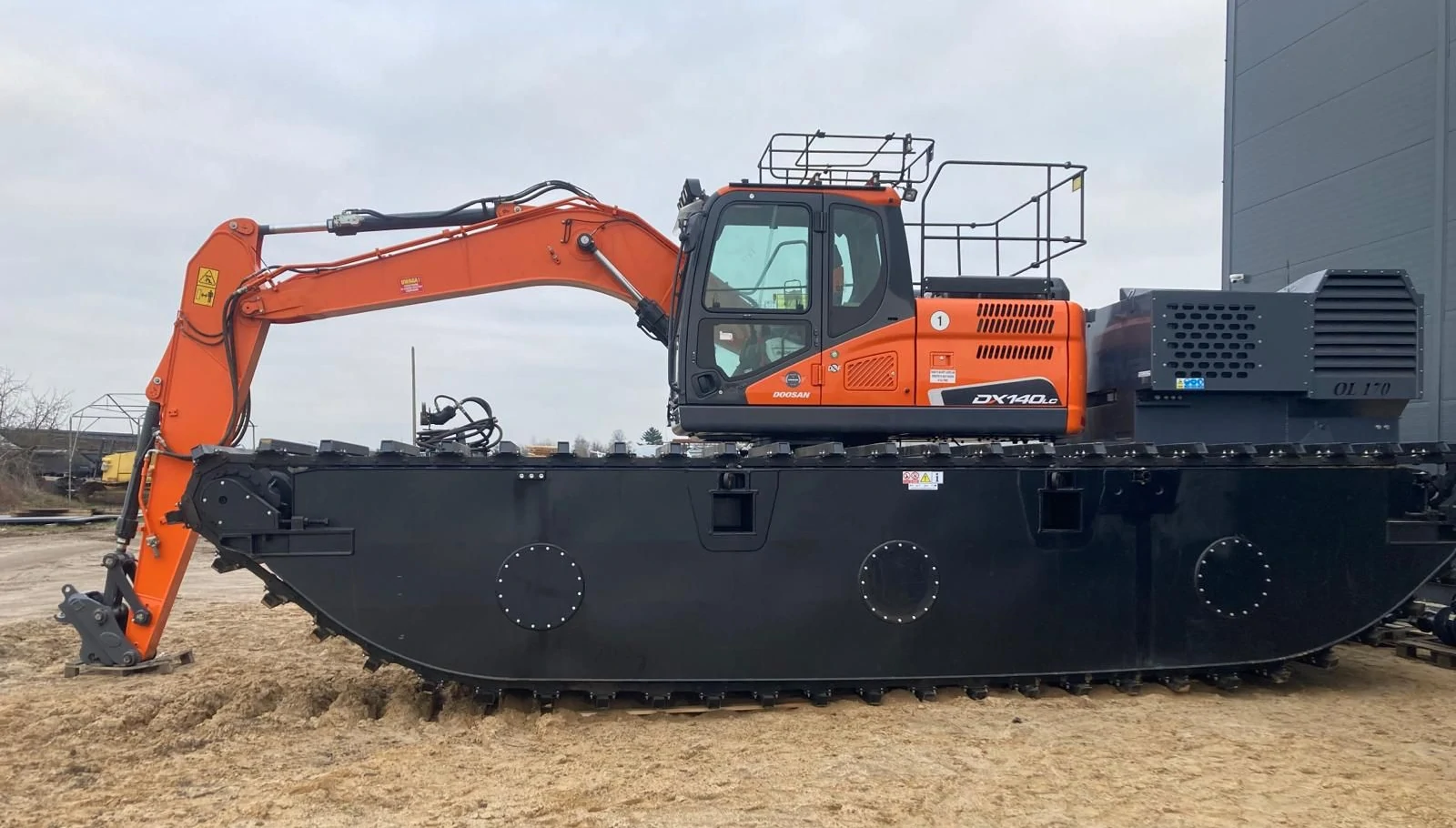
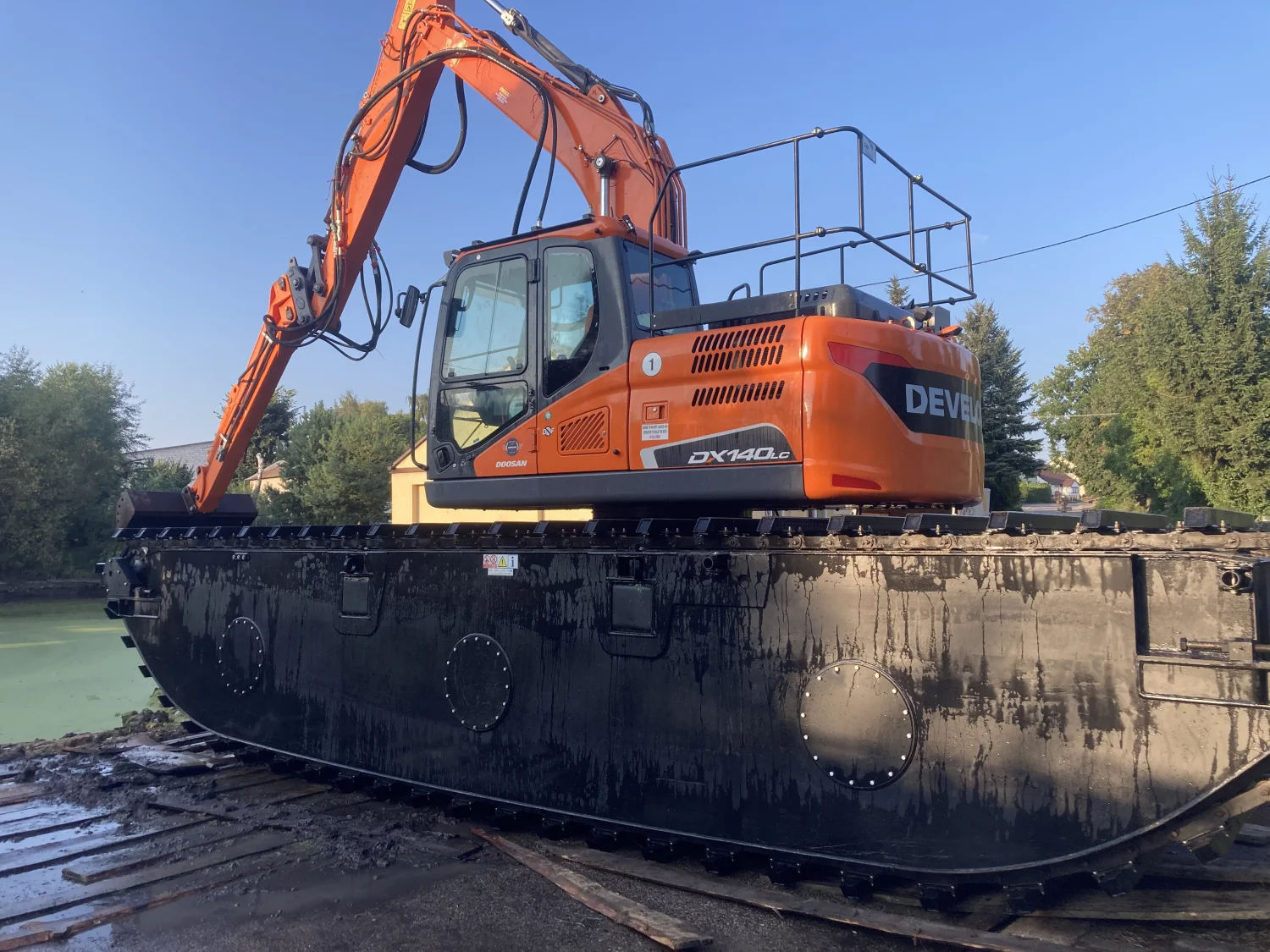
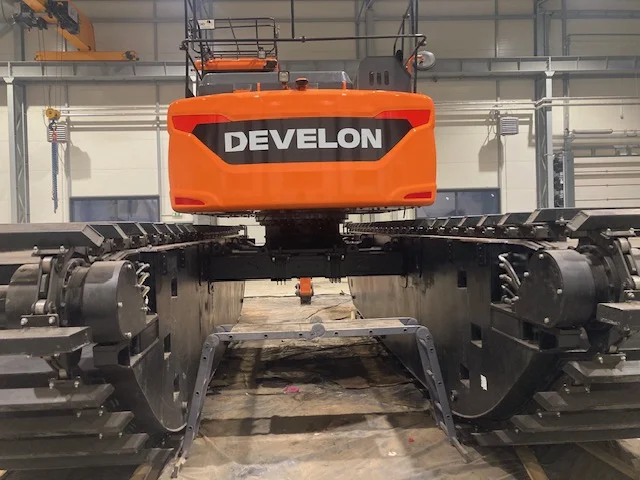
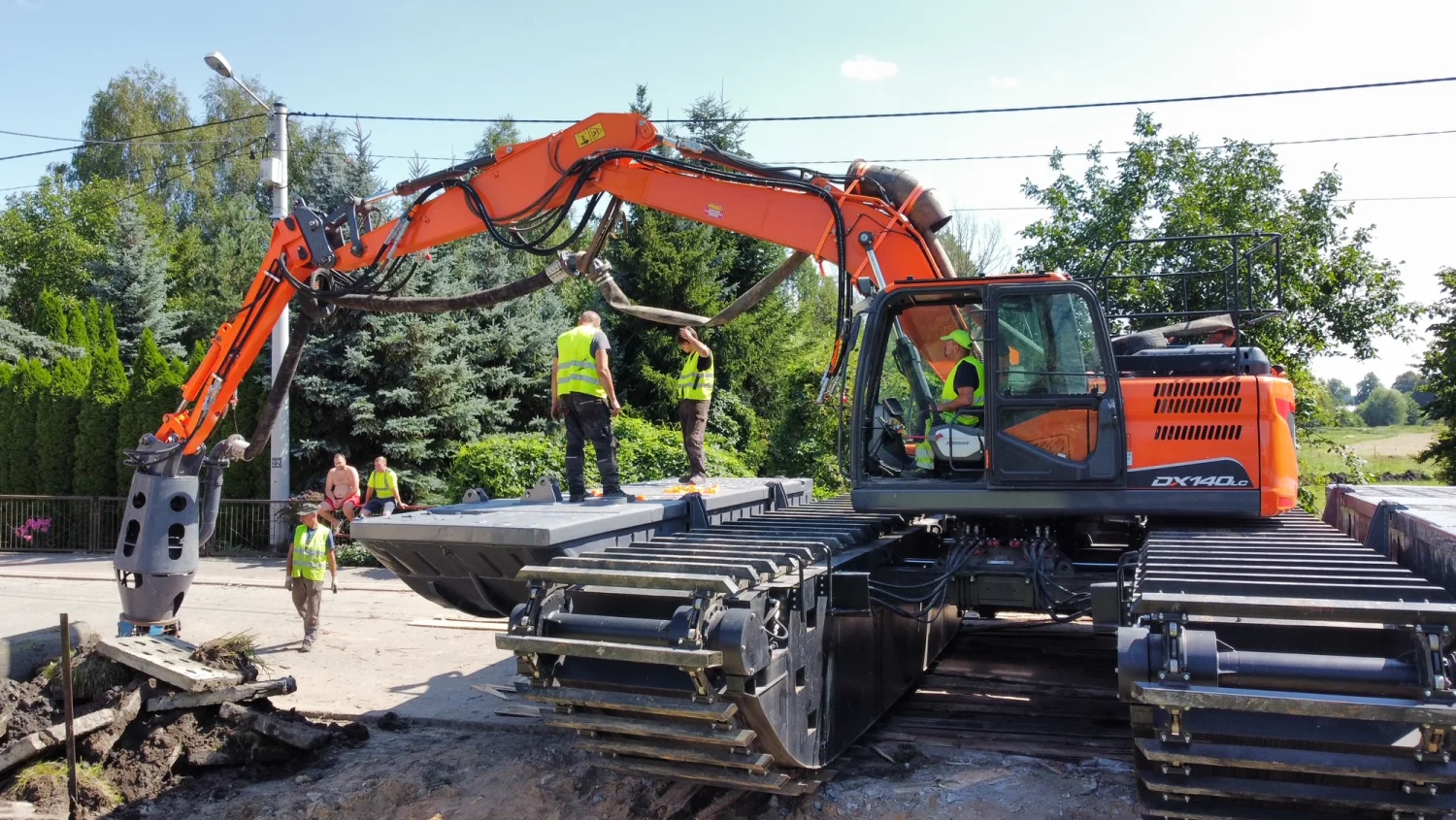
A wading excavator is an excavator with a special crawler chassis. This chassis has a very high potential displacement, at least equal to the excavator’s weight. The deeper the excavator goes into the water, the less pressure the tracks exert on the bottom of the reservoir. At a certain point, the pressure is close to zero.
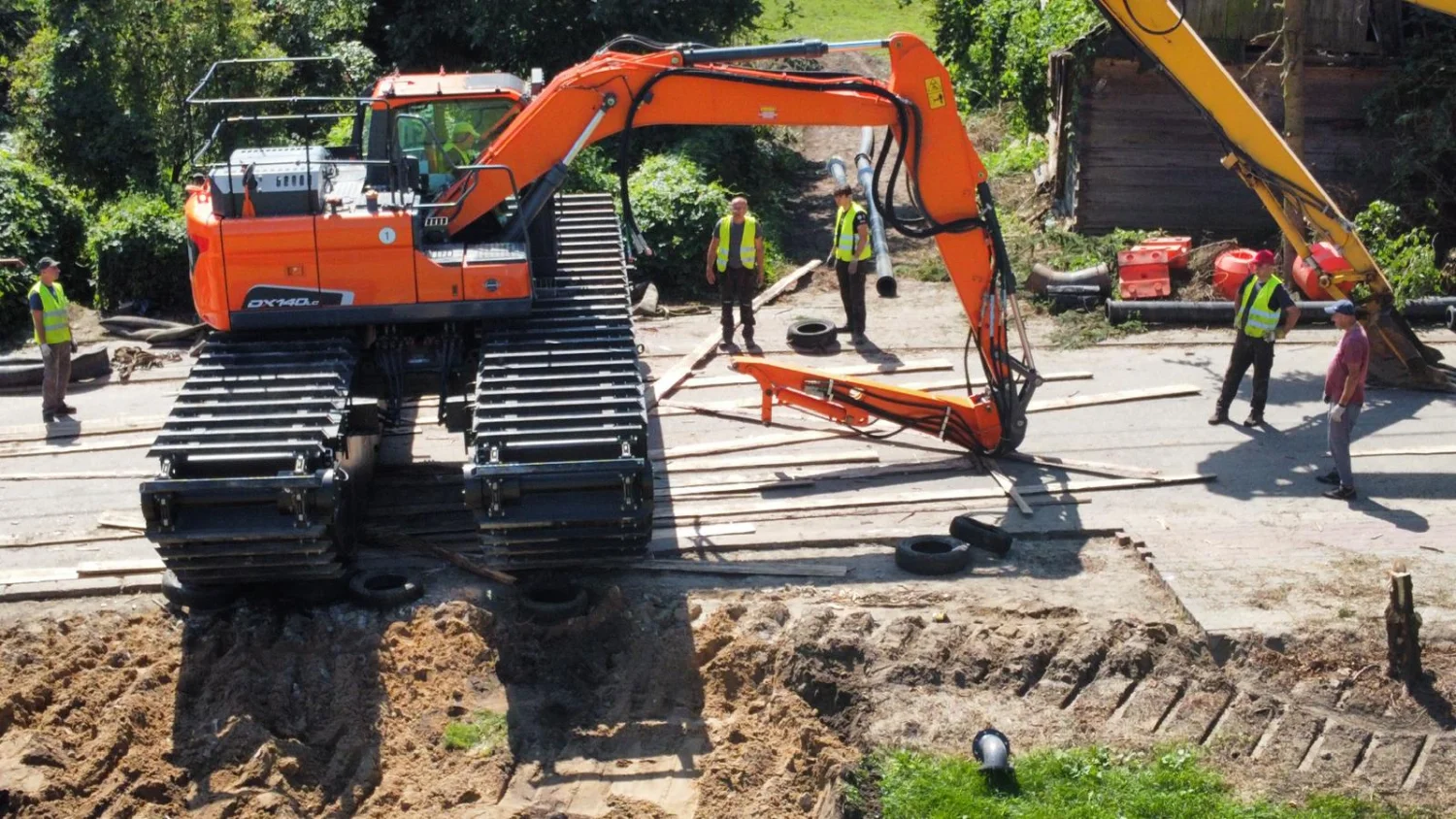
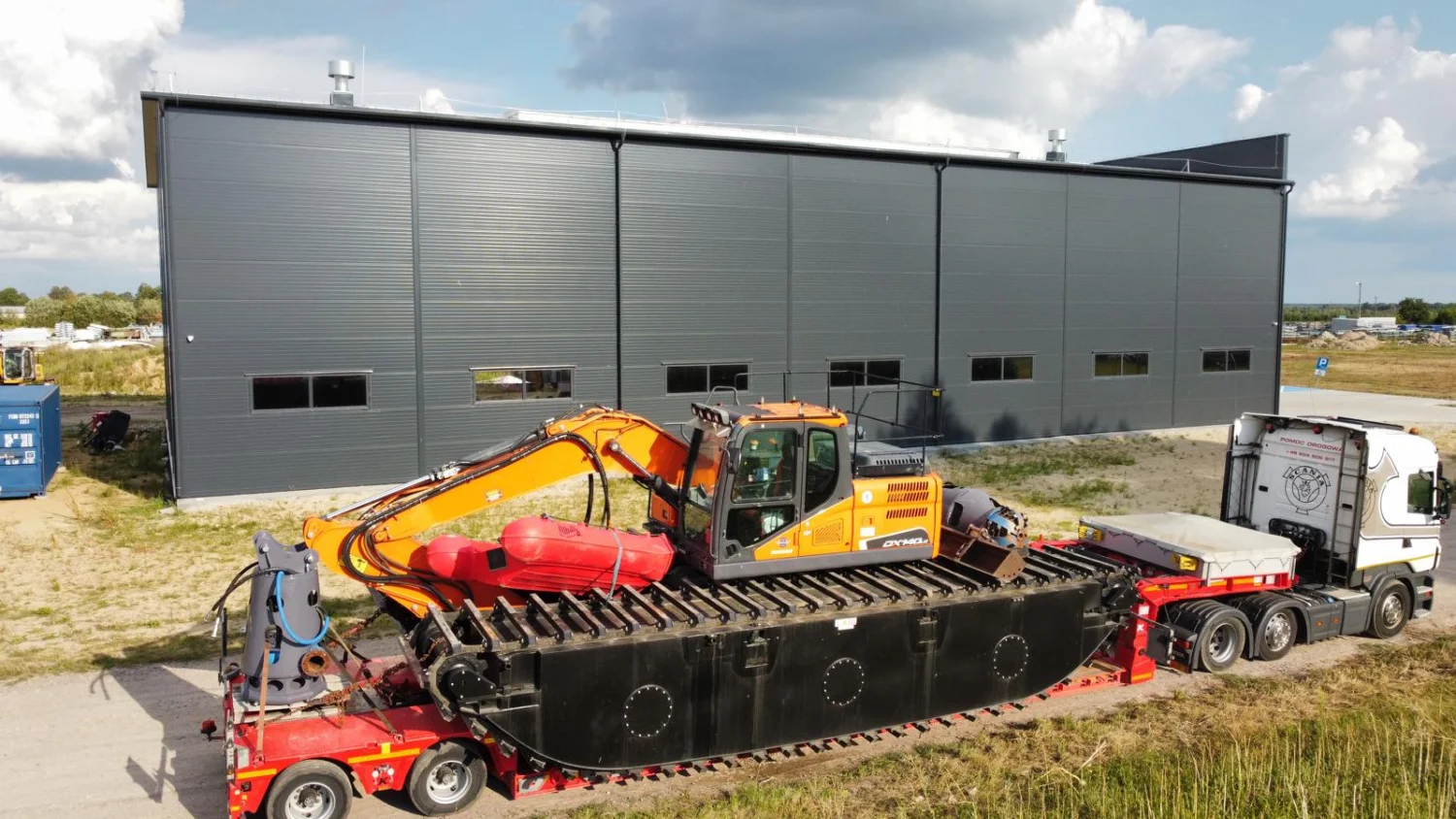
Our wading excavator can be used with silting pumps with a capacity of up to 1200 m³/h, and its dimensions allow it to be transported without disassembly. There is no need to separate the excavator body from the chassis. This is the only solution on the market that offers this capability.
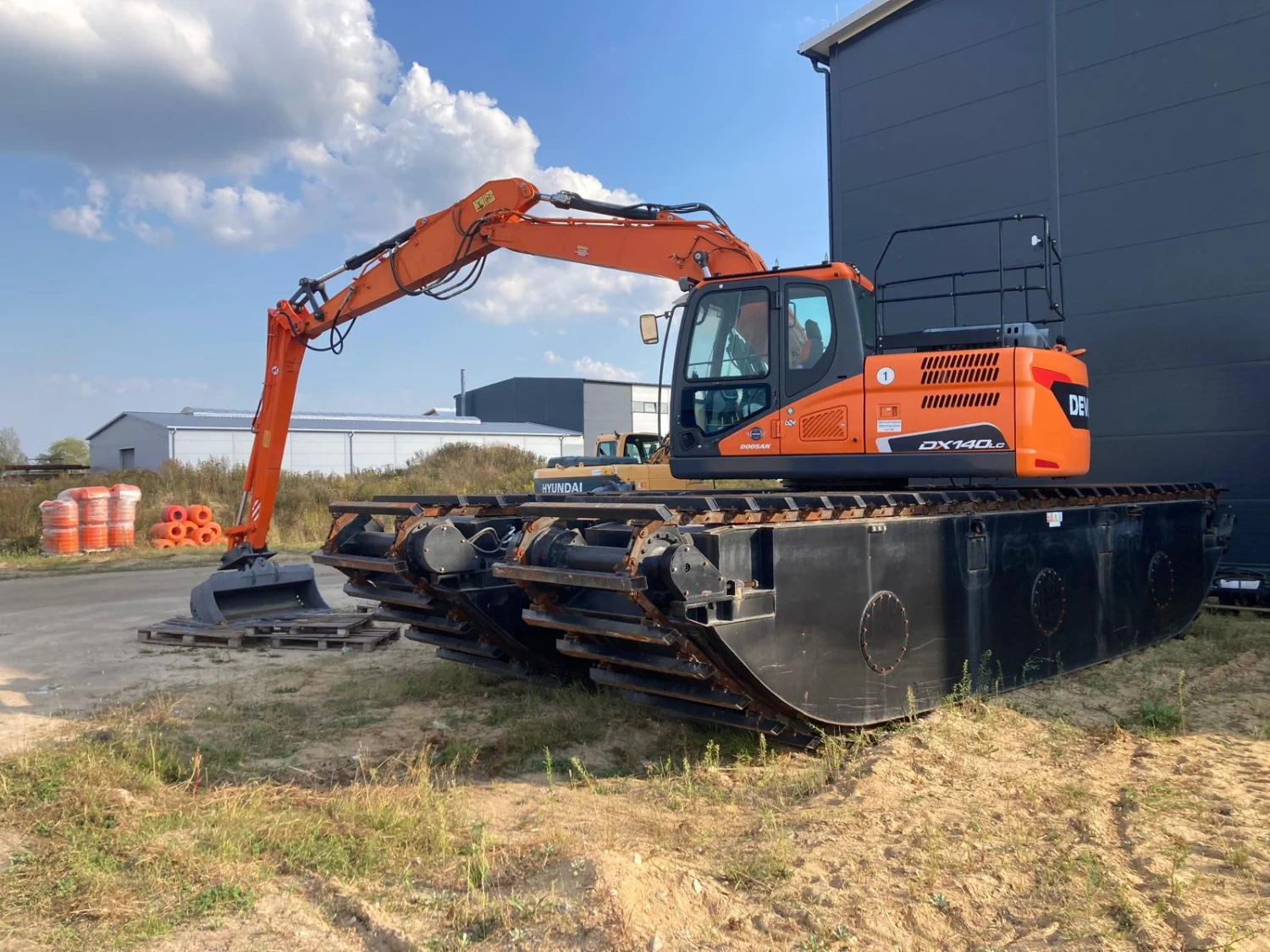
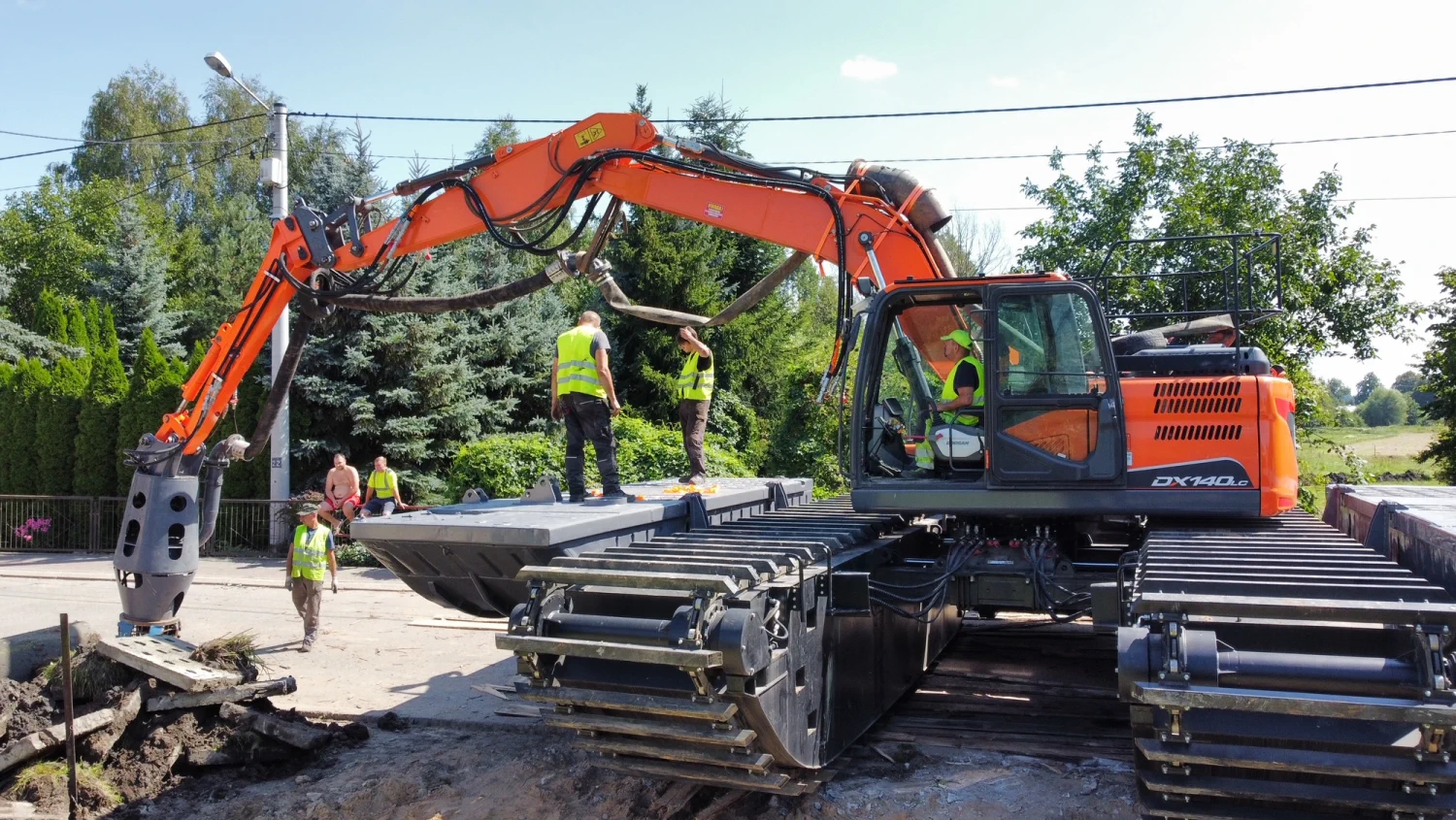
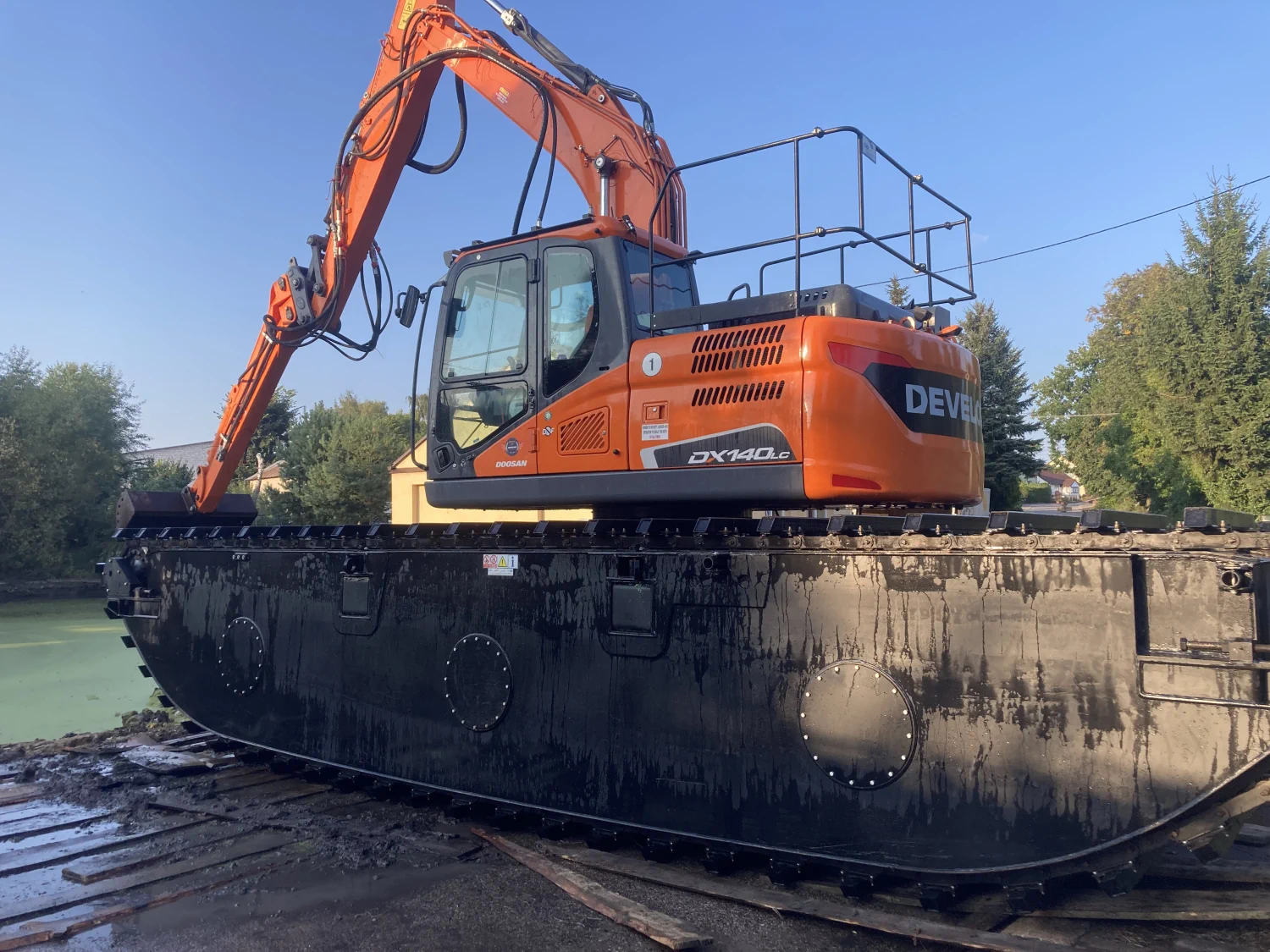
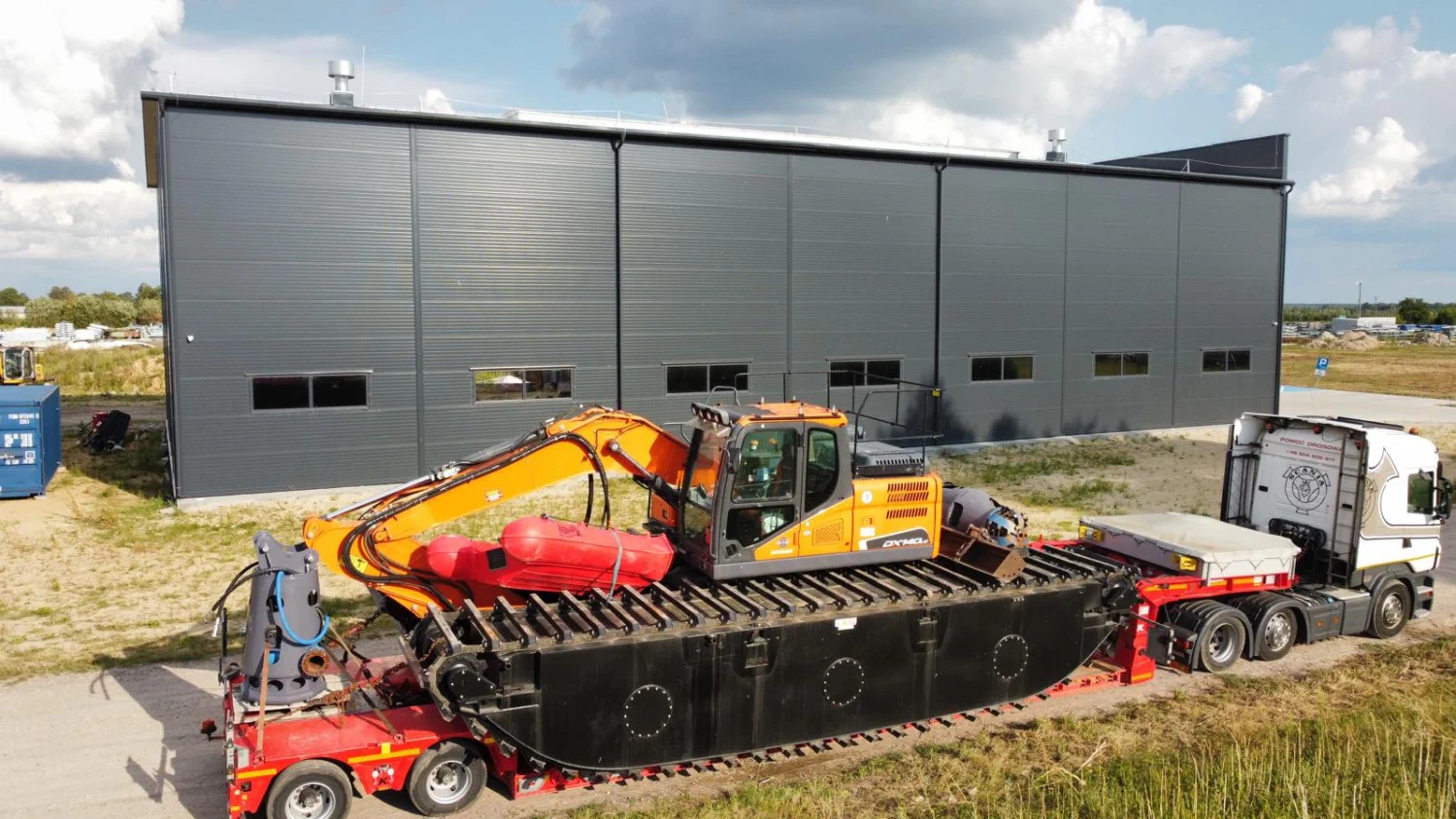
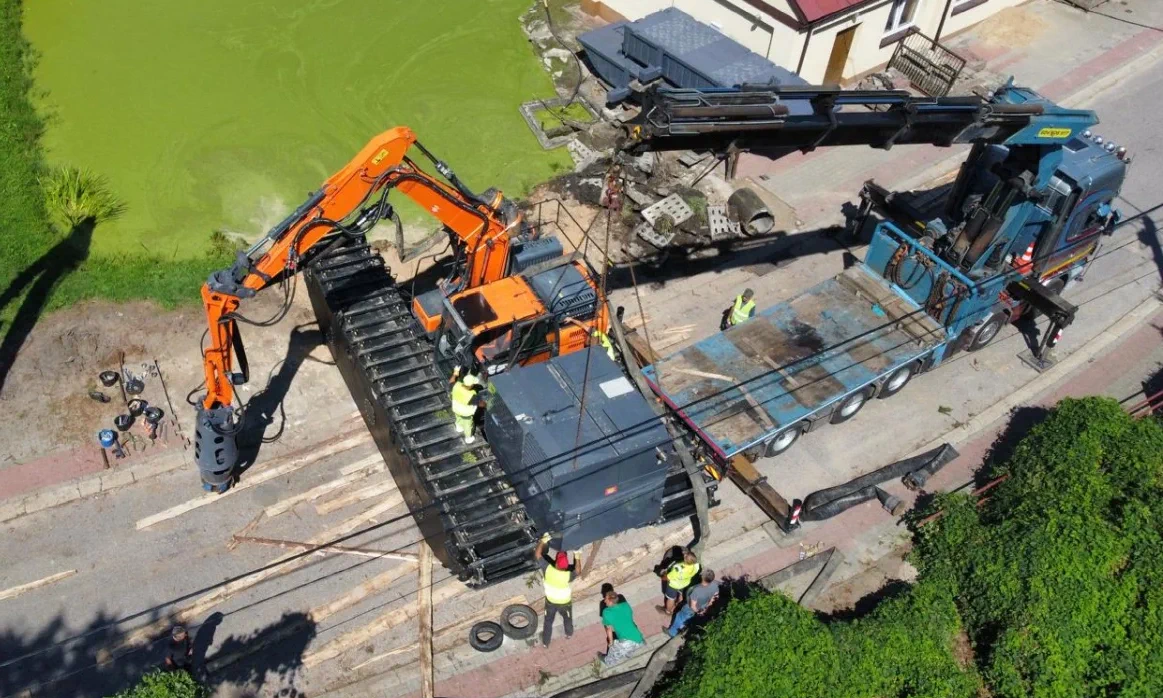
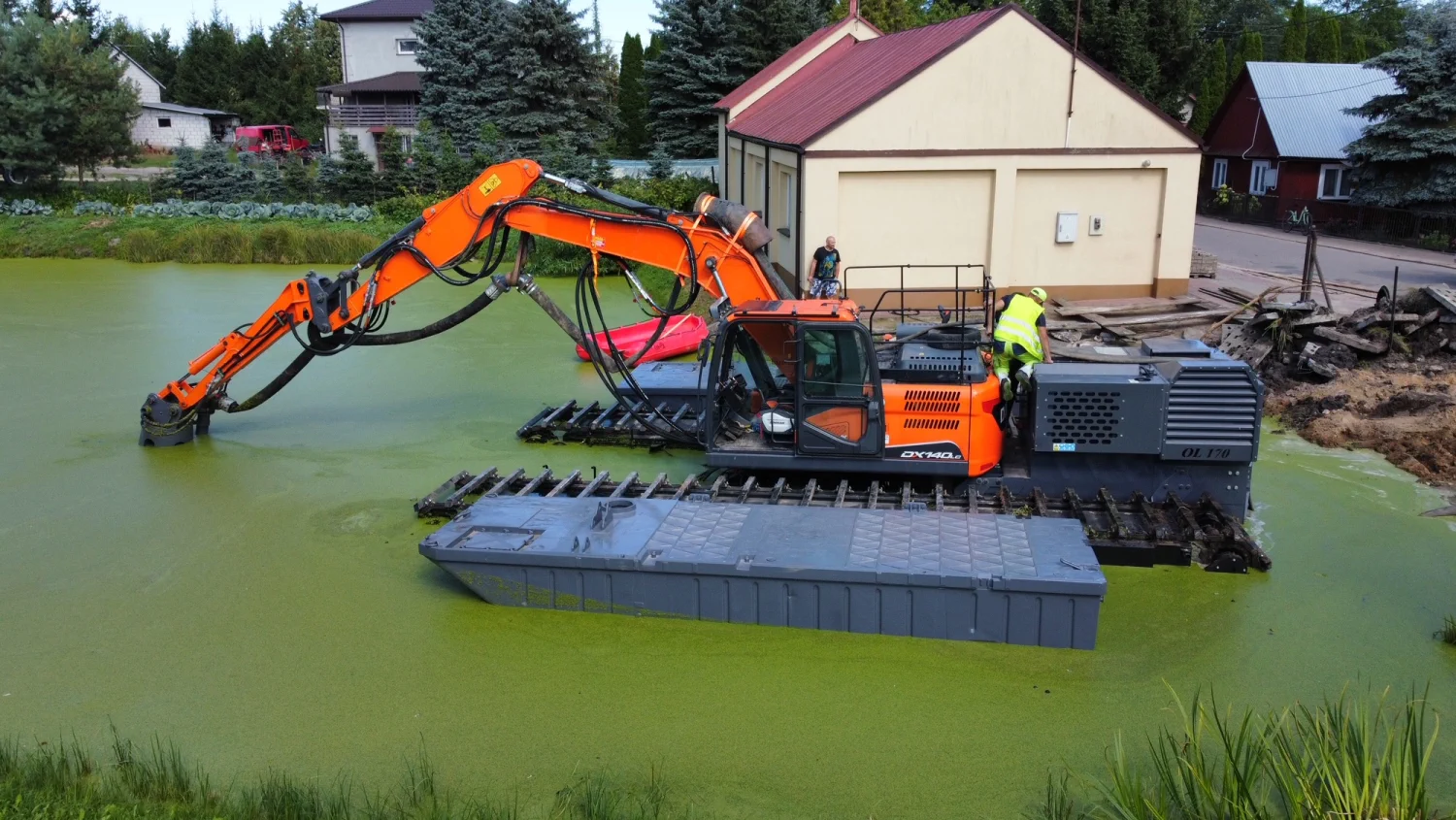
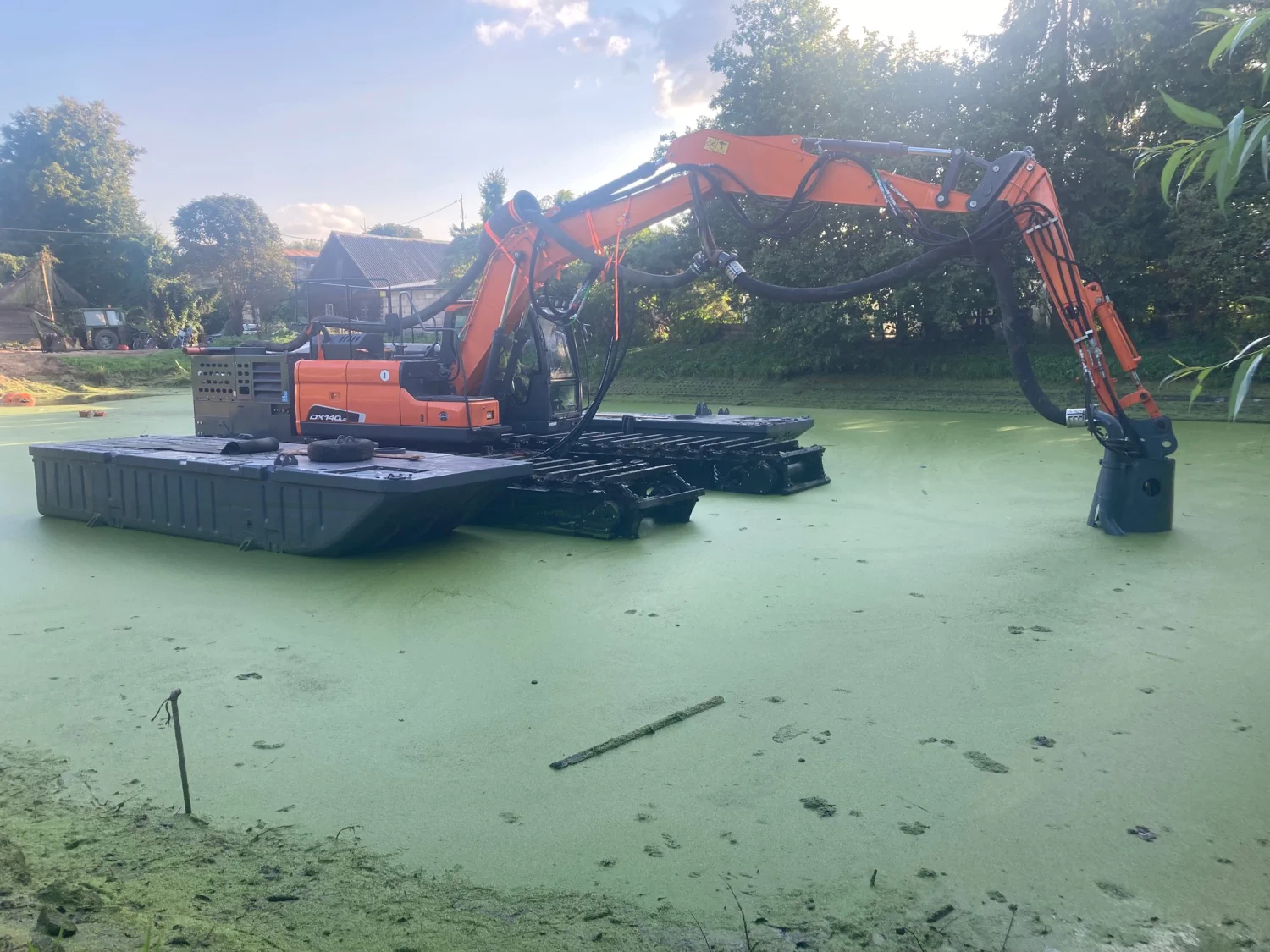
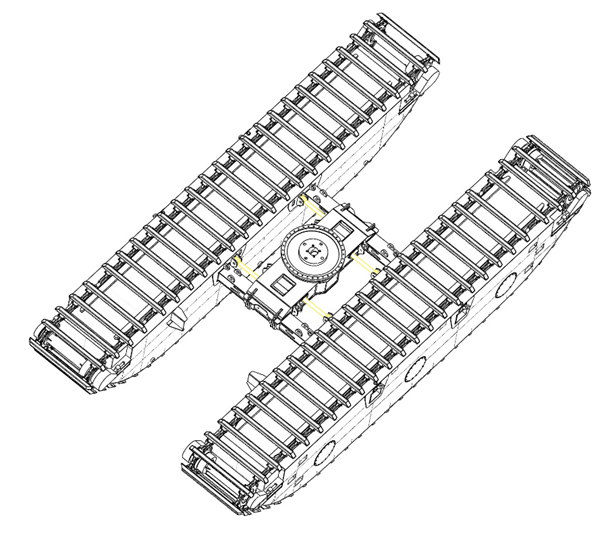
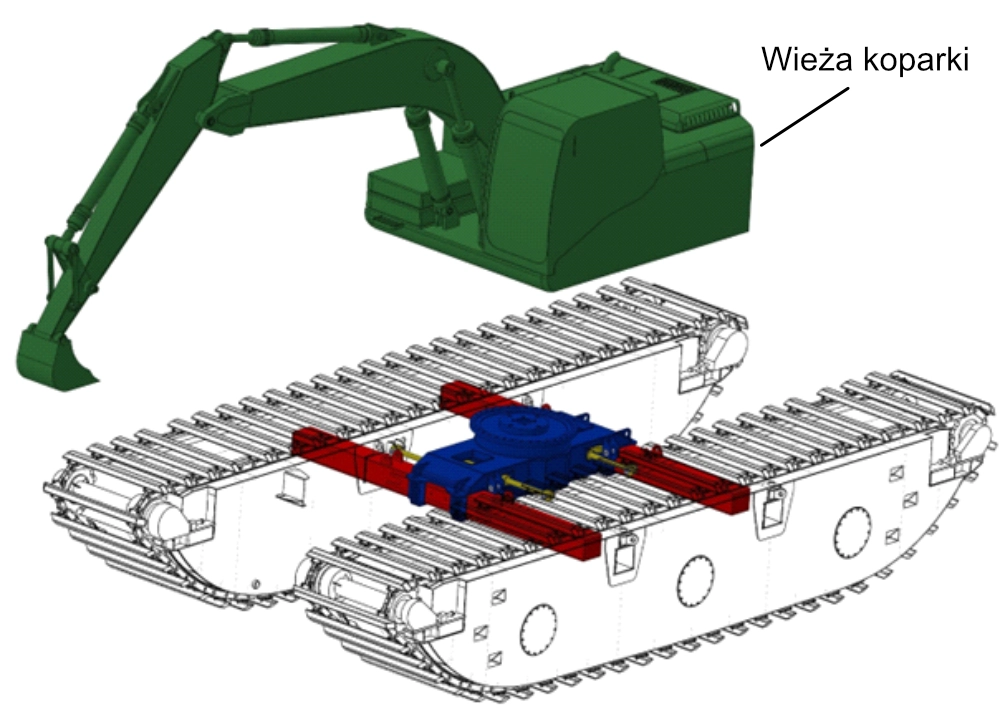
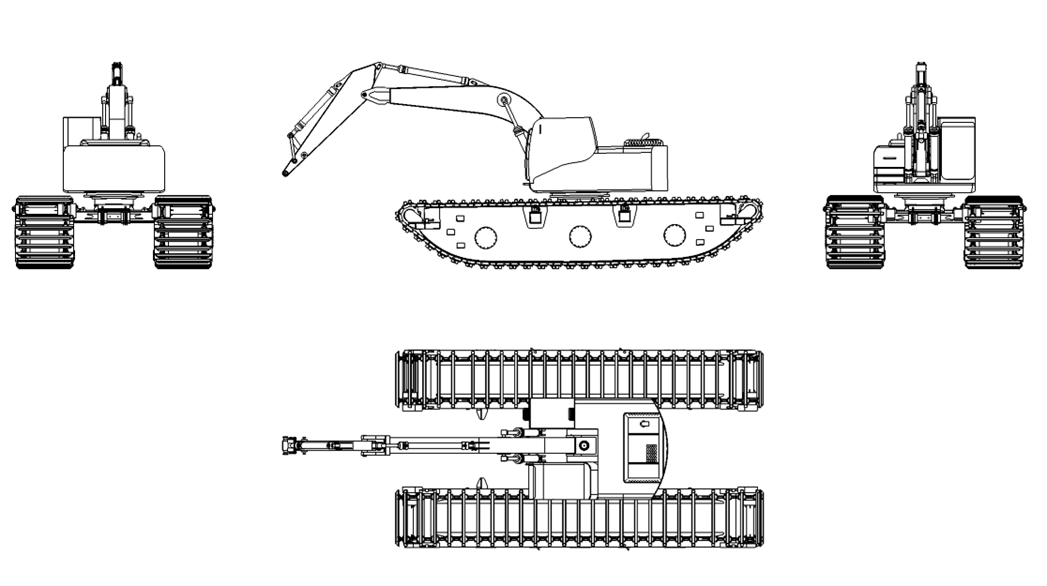
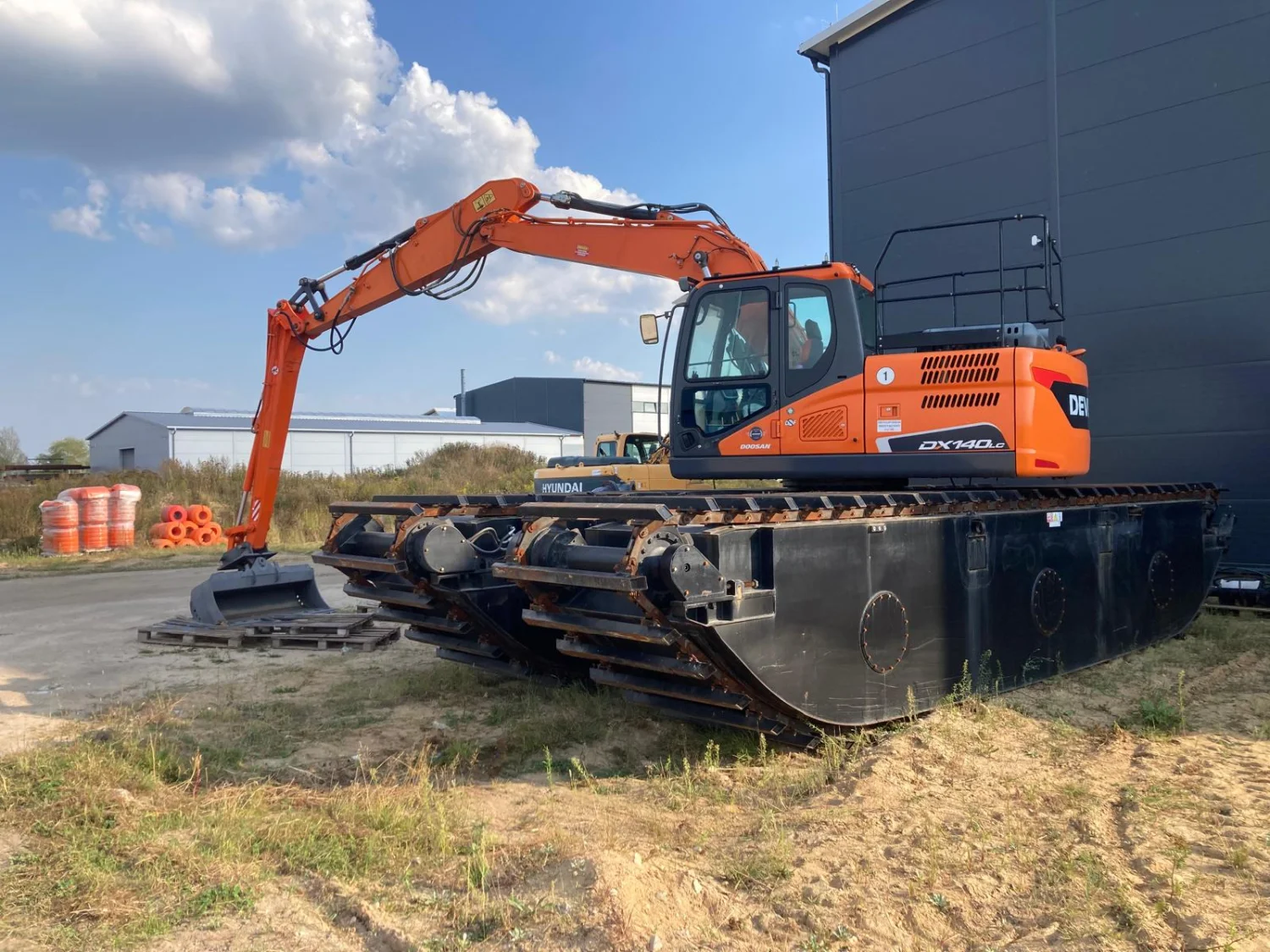
- A crawler undercarriage with displacement, consisting of a left and right track. Both tracks are connected by a linkage with a telescopic mechanism, which allows the track width to be widened for operation and narrowed for transport. The superstructure – the excavator tower – is mounted to the linkage.
- A 150-class excavator tower. We prefer Doosan DX140 towers.
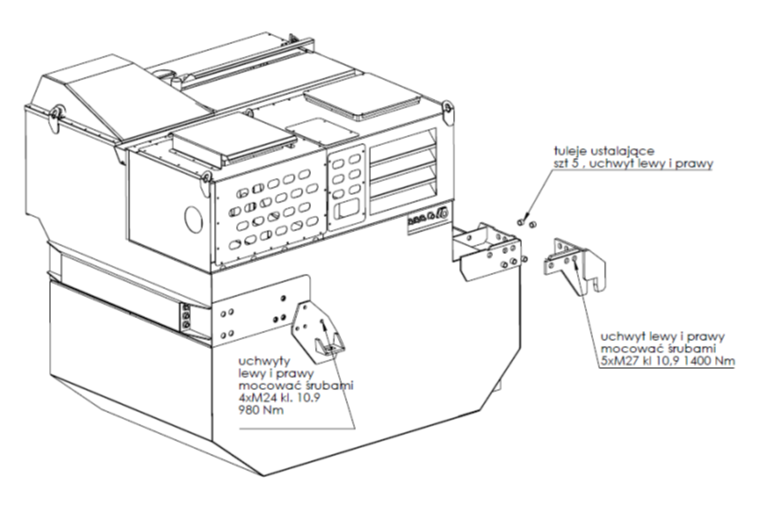
- A hydraulic power unit. The unit is equipped with a diesel engine with an output of over 200 kW and a hydraulic system capable of driving SDP150, SDP200, and SDP350 sludge pumps.
A wading excavator can be used for mechanical dredging or for conducting ground investigations in wetlands/marshes and very shallow bodies of water. For this type of work, we use the first two excavator components (without the hydraulic power unit).
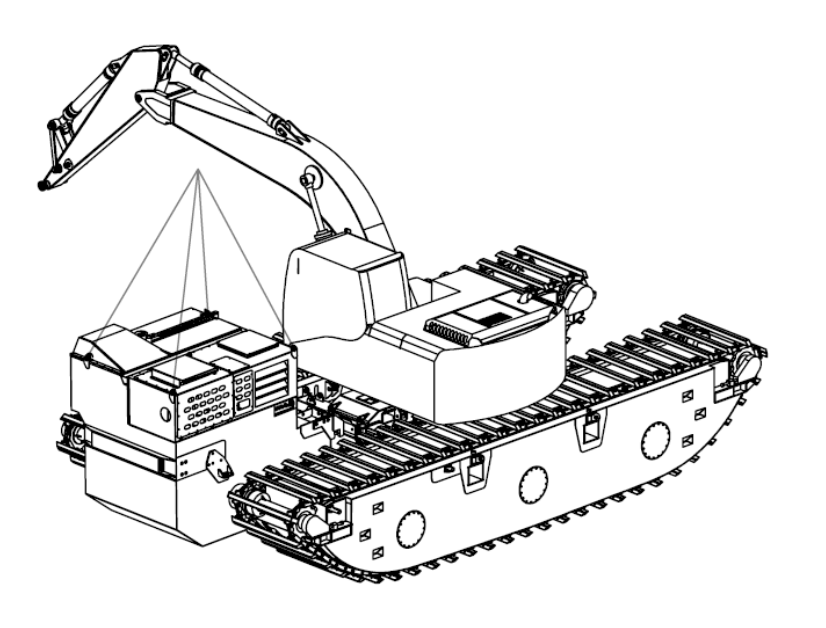
The primary function of a wading excavator is to perform dredging and silting work in very shallow, inaccessible water bodies. The silting pumps are powered by a hydraulic power unit. For this purpose, a third excavator component, the hydraulic power unit, must be installed.
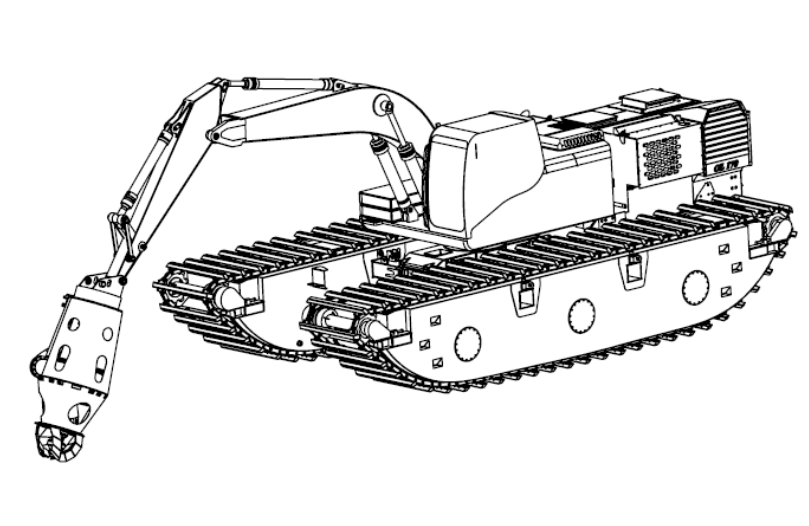
During dredging operations, the wading excavator can use our SDP150, SDP200, or SDP350 dredging pumps.
This design provides a significant advantage over solutions commonly found on the market.
- The smaller machine allows for use in small areas with difficult access.
- The complete transport reduces costs, increases work safety, and eliminates the dangerous machine assembly phase.
- The unit’s sealed, buoyant housing, partially submerged in water, reduces noise emitted to the surrounding area, provides additional buoyancy, and reduces track pressure on the ground.
- The unit’s sealed, buoyant housing reduces the risk of oil contamination in the event of an unexpected failure.
- The unit’s low position lowers the center of gravity of the entire unit, reducing the risk of the machine tipping over (especially important when dealing with buoyancy forces).
For mechanical dredging operations, the unit does not require a dredging unit, reducing the weight of the entire excavator.
Solid phase counters
Our meter does not contain radioactive substances, therefore posing no risk of contamination and requiring no costly maintenance. We supply it as standard for 200mm, 250mm, 300mm, 350mm, and 400mm, 450mm, and 500mm pipelines. The meter measures the density and amount of flowing slurry and, using a controller module, allows for the real-time calculation of the amount of aggregate pumped. It also allows for remote access and communication with other devices in the system.
We have recently also been offering simplified versions of the meter.
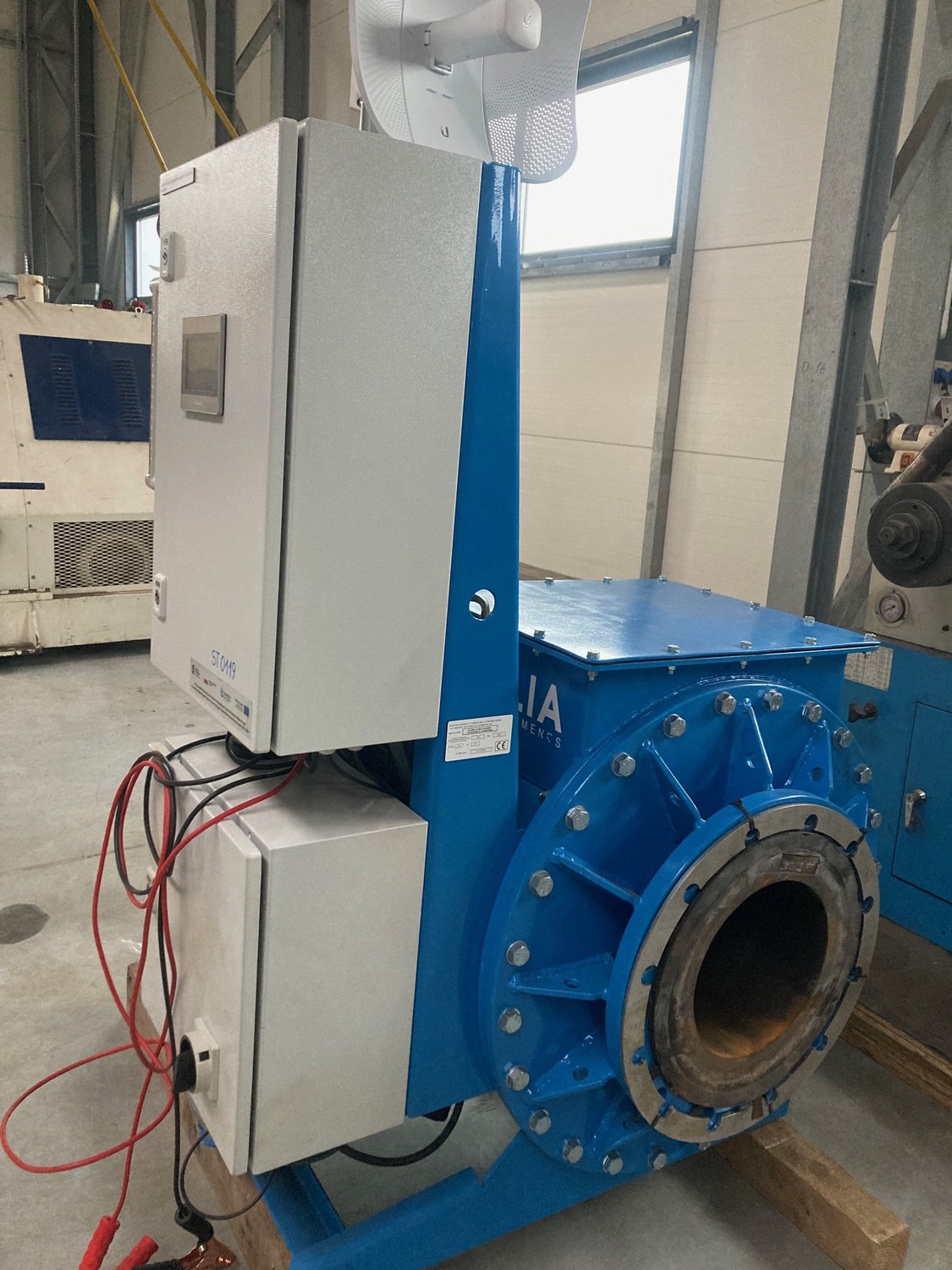
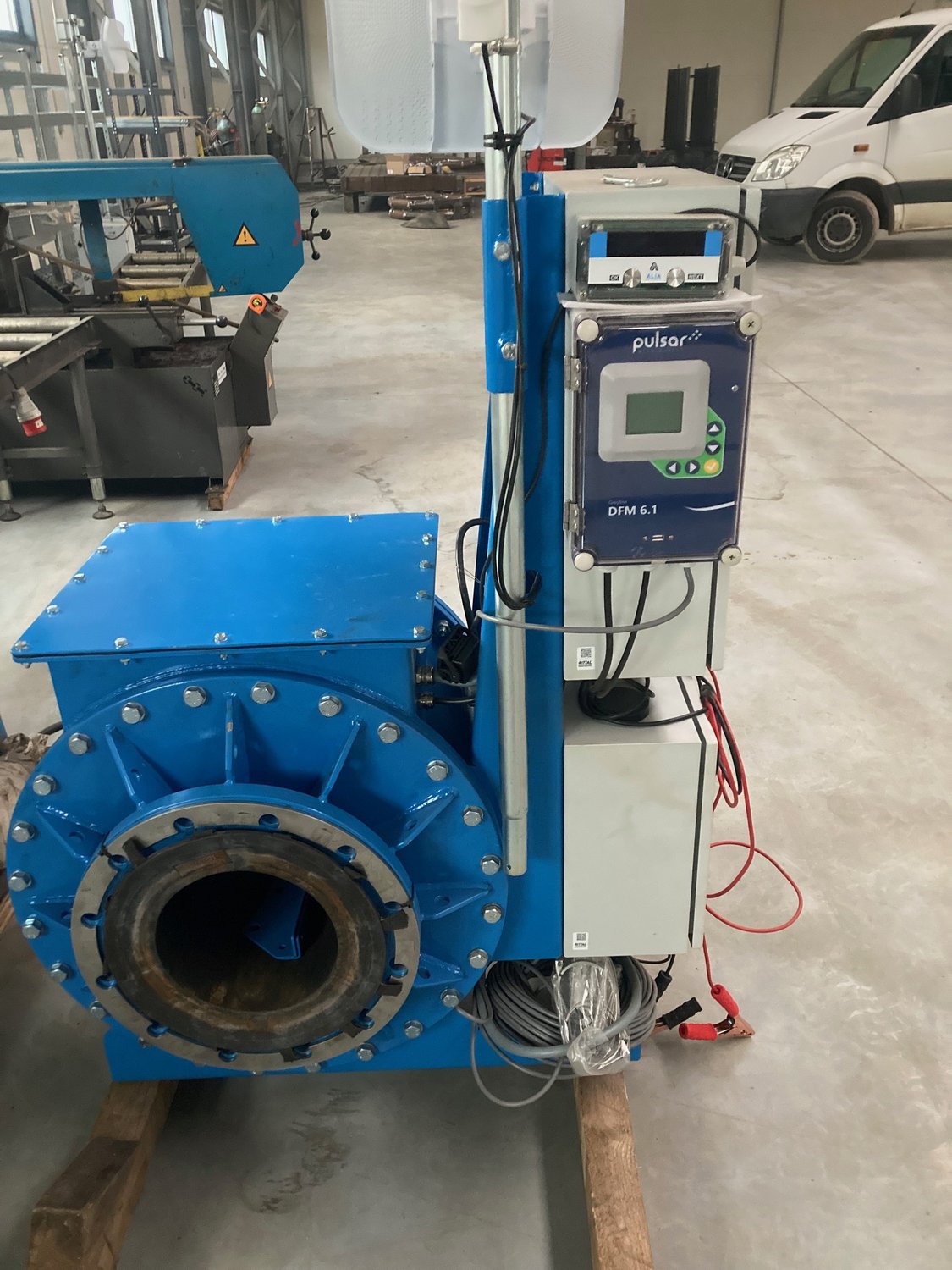
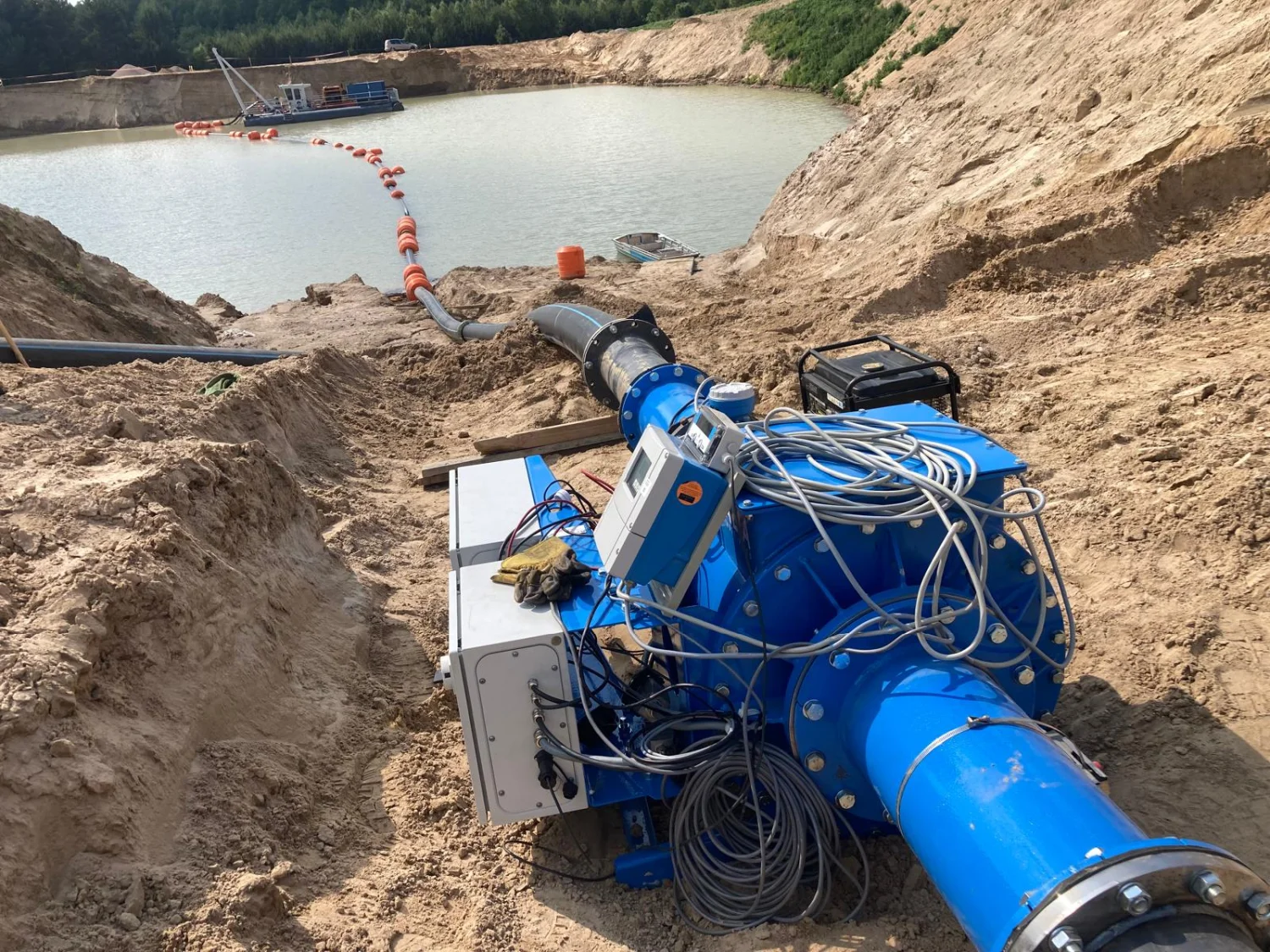
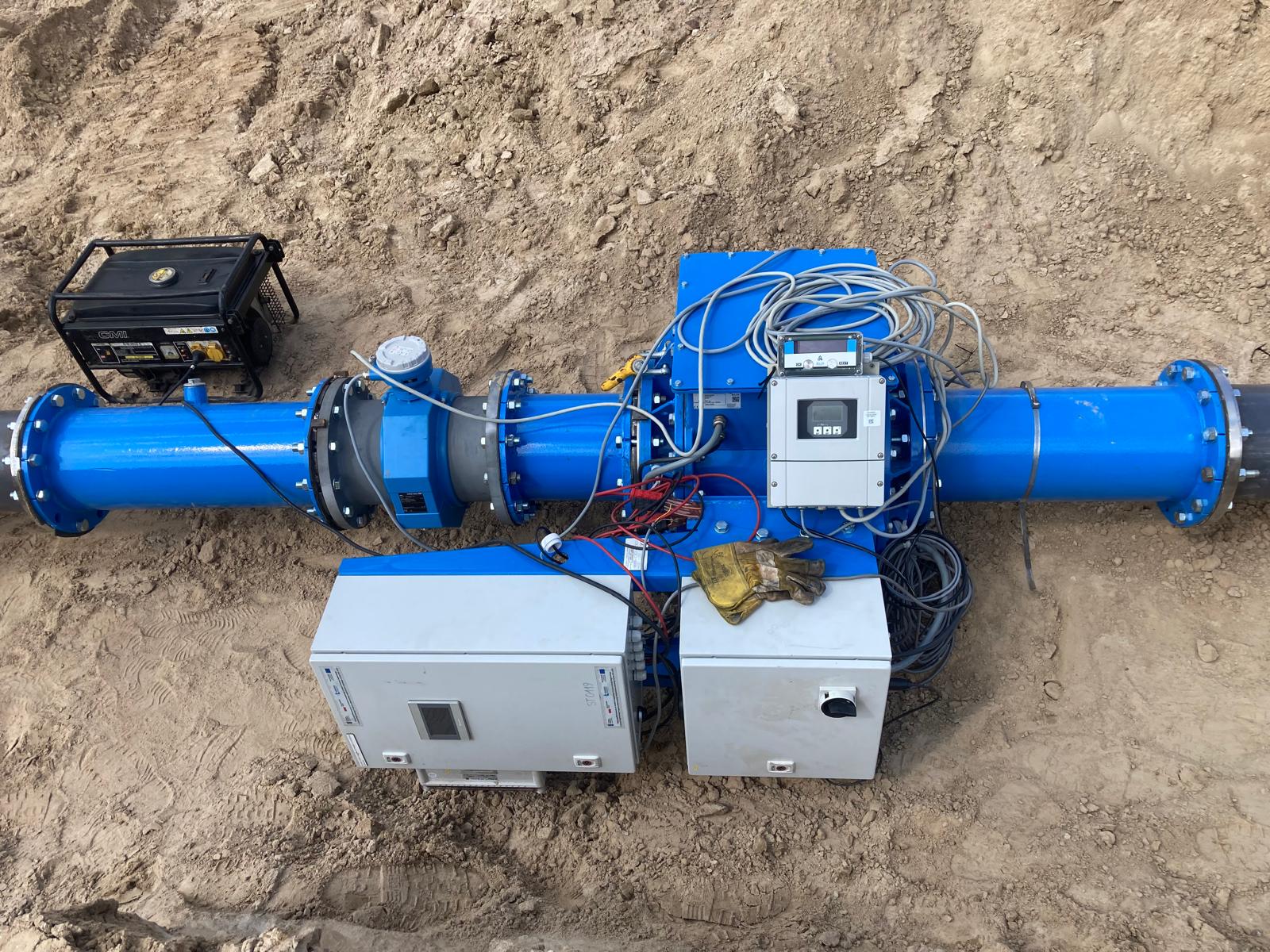
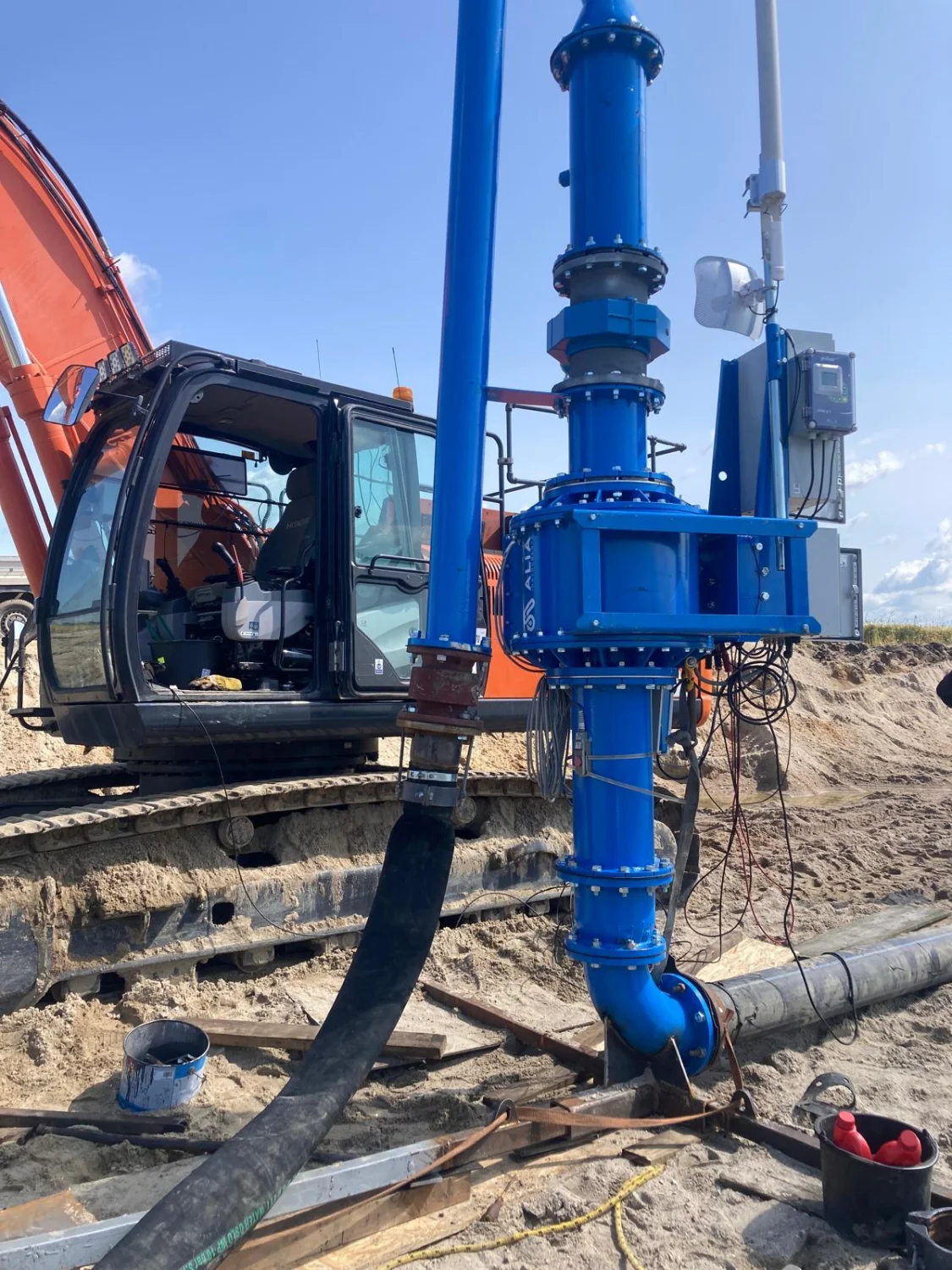
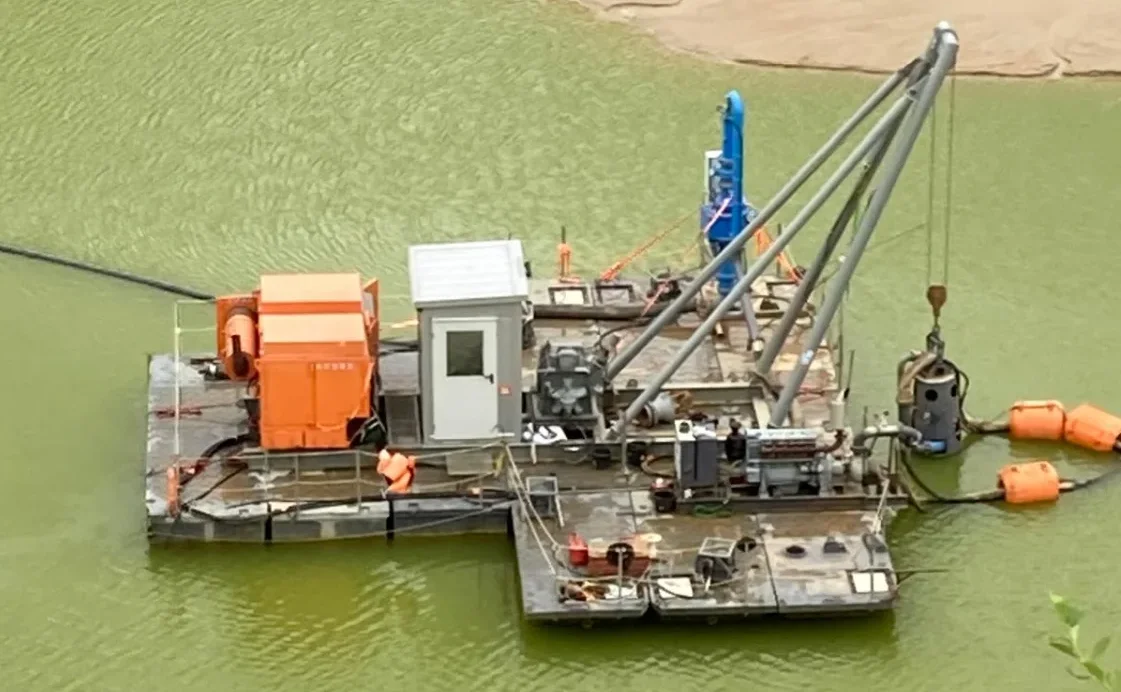
A solids counter – simply put, a device that aids dredging operations.
During dredging operations, it is very difficult to determine the speed at which slurry flows in a closed pipeline. It is even more difficult to determine the amount of solids in the flowing slurry. The lack of this basic information means that dredging operations must be conducted with caution (using parameters far from optimal), which increases fuel consumption and unnecessary costs.
A solids counter allows for measuring both the speed of the slurry flowing within the pipeline and the density of the flowing slurry. Consequently, using a controller and algorithms, it is possible to track the amount of solids (sand/gravel) flowing within the pipeline. The ability to continuously monitor the dredger’s pumping capacity allows for parameterization of operations to be more efficient (to reduce the cost of aggregate extraction).
Our experience shows that using a counter can reduce costs by 45% in some cases. In the case of complex work, e.g. large pumping distances, large hydrostatic differences, and especially when working with submersible pumps when there is no pressure indication on the suction pipe, the use of a meter is necessary if we want the work to be carried out efficiently.