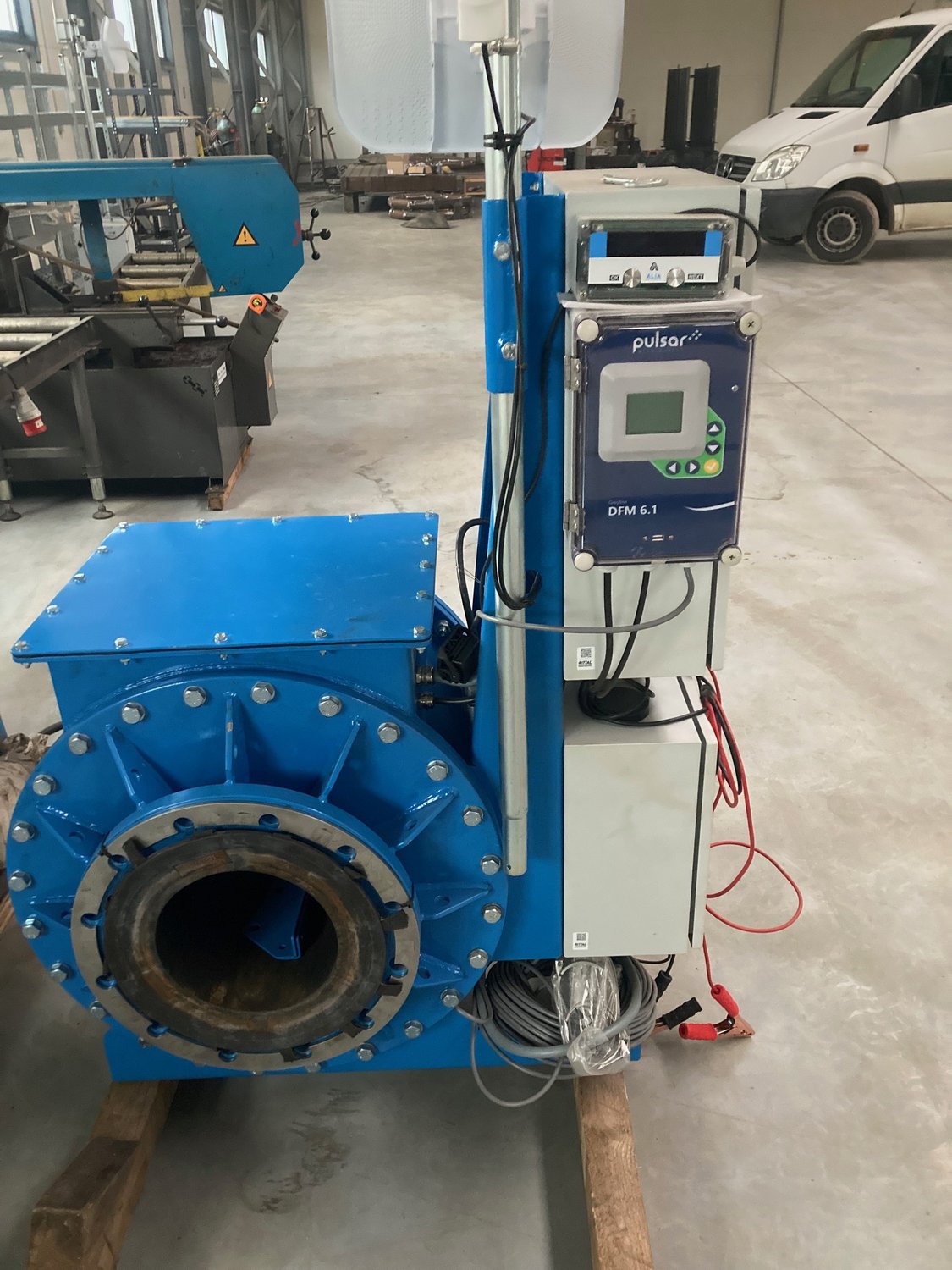
Our company offers a new product for companies that extract sand and gravel from under the water table and for companies that provide dredging services on waterways and other water reservoirs.
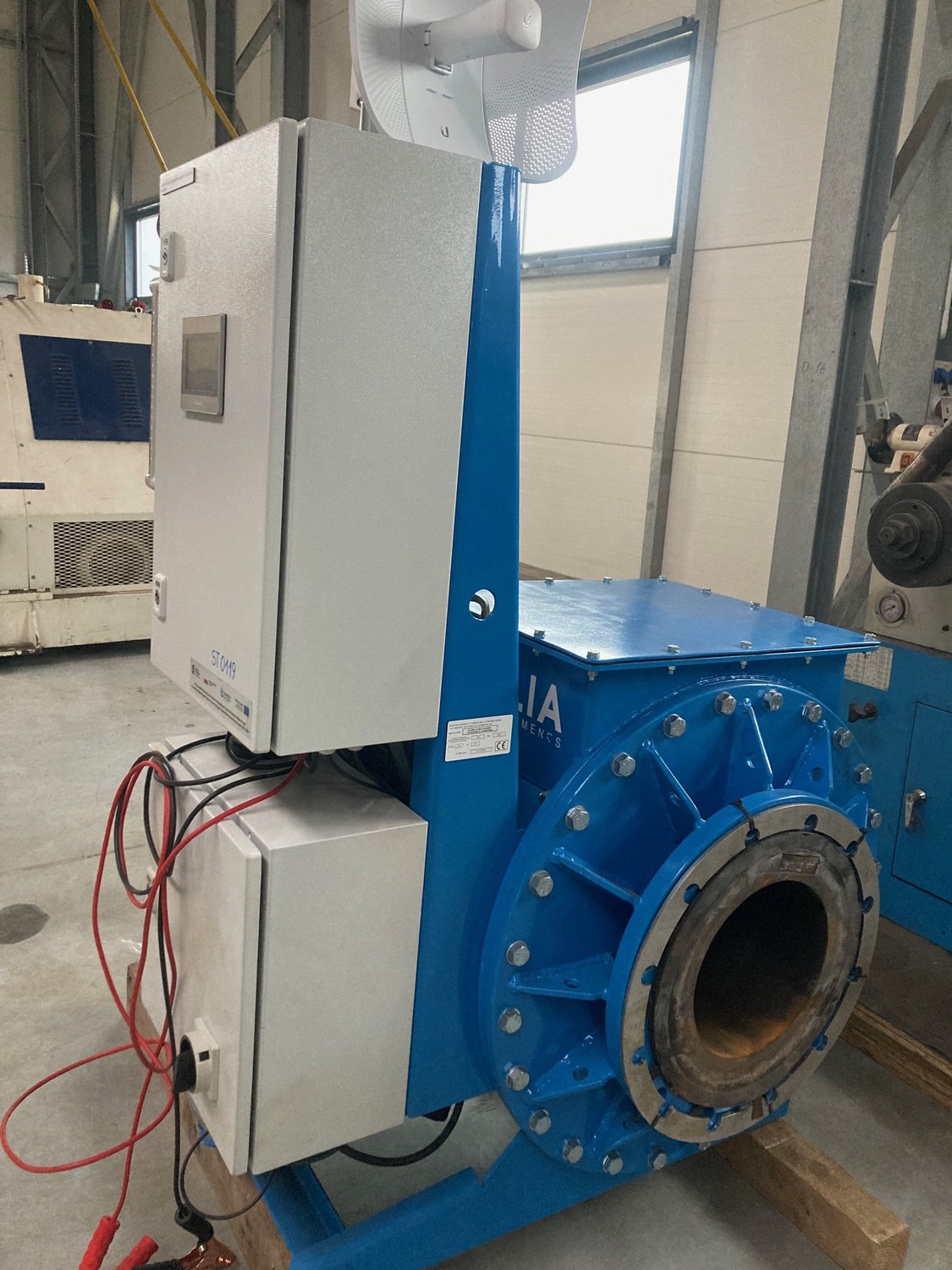
This product is sludge pumps with a hydrostatic (oil) drive.
This is a very simple solution and requires little outlays compared to the outlays necessary to purchase a classic dredger.
Due to the fact that the sludge pump is immersed in water during operation, it can pump sand and gravel with an exceptionally high density, which means that the unit cost of extraction is lower than in the case of using classic solutions.
We offer pumps of various sizes and capacitiesi:
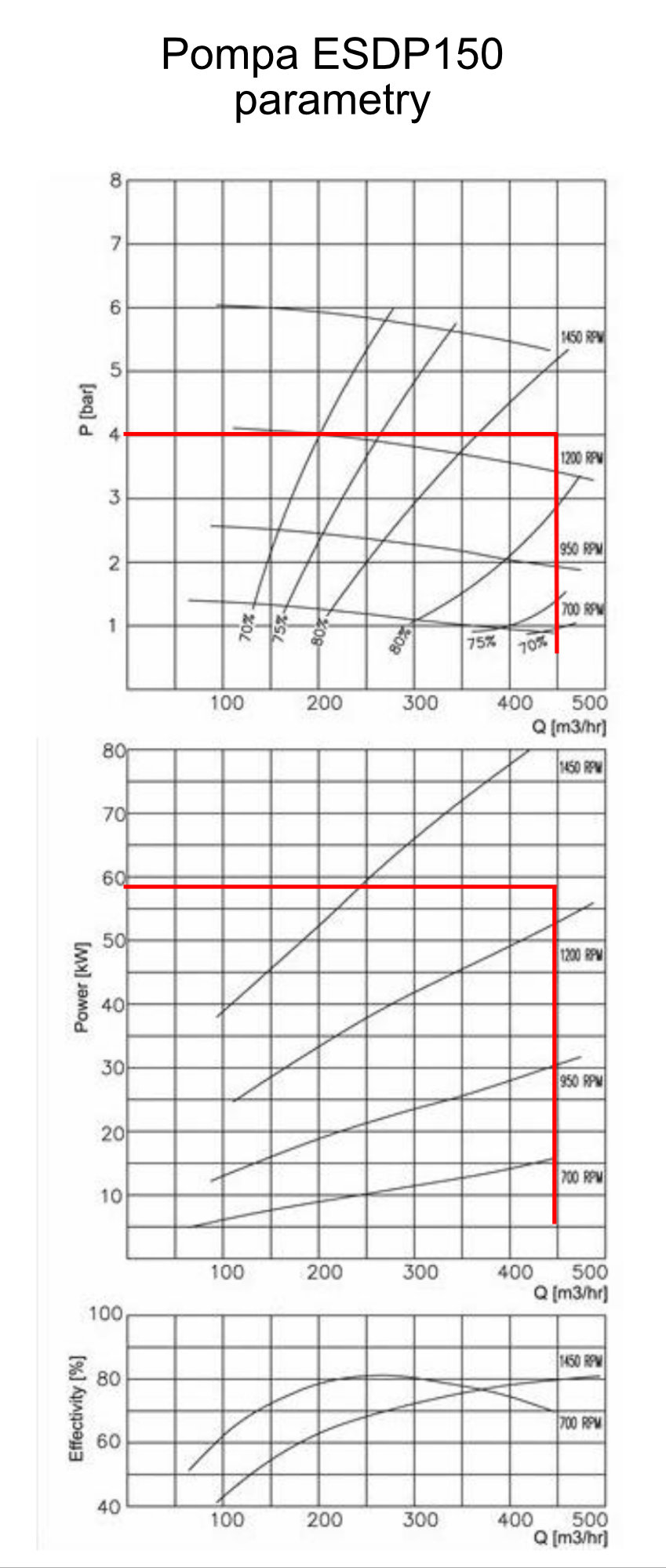
- Pump type 150 – water pulp capacity approx. 500 cubic meters per hour.
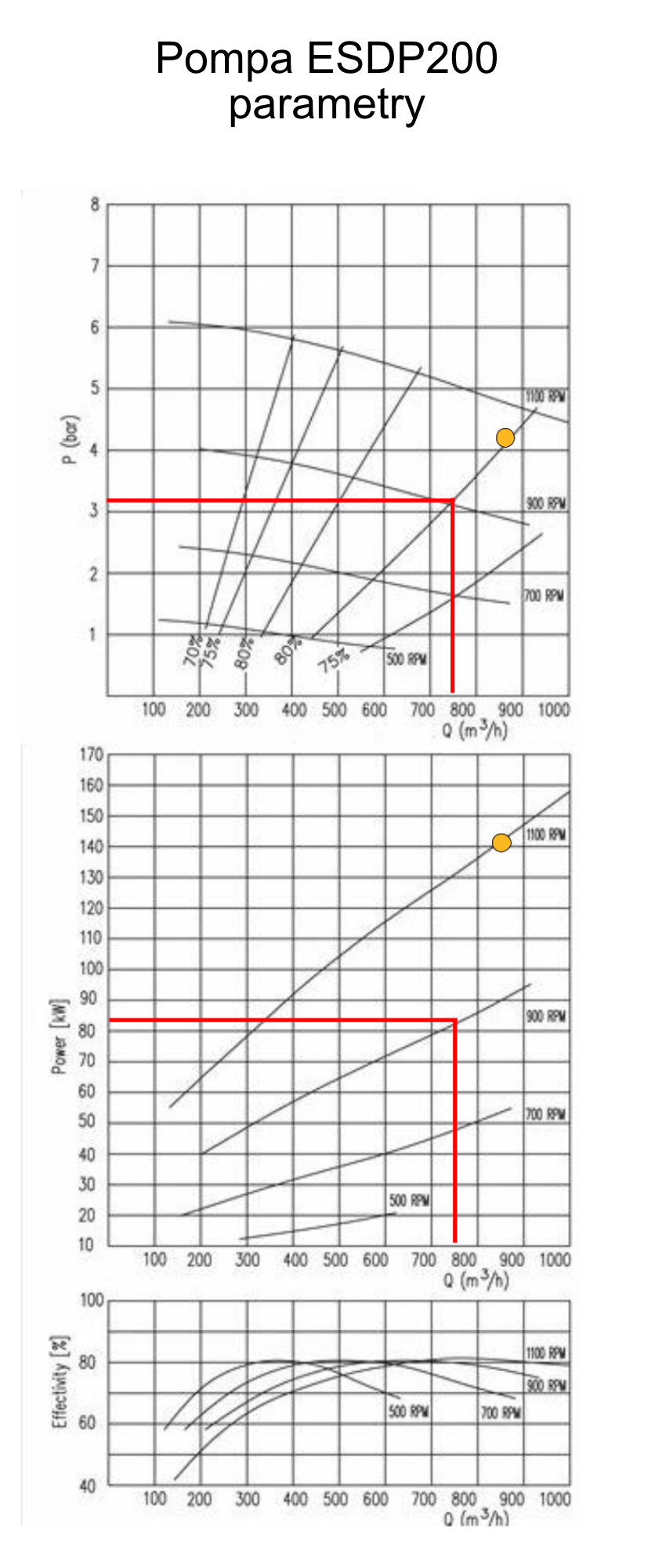
- Pump type 200 – water pulp capacity approx. 800 cubic meters per hour.
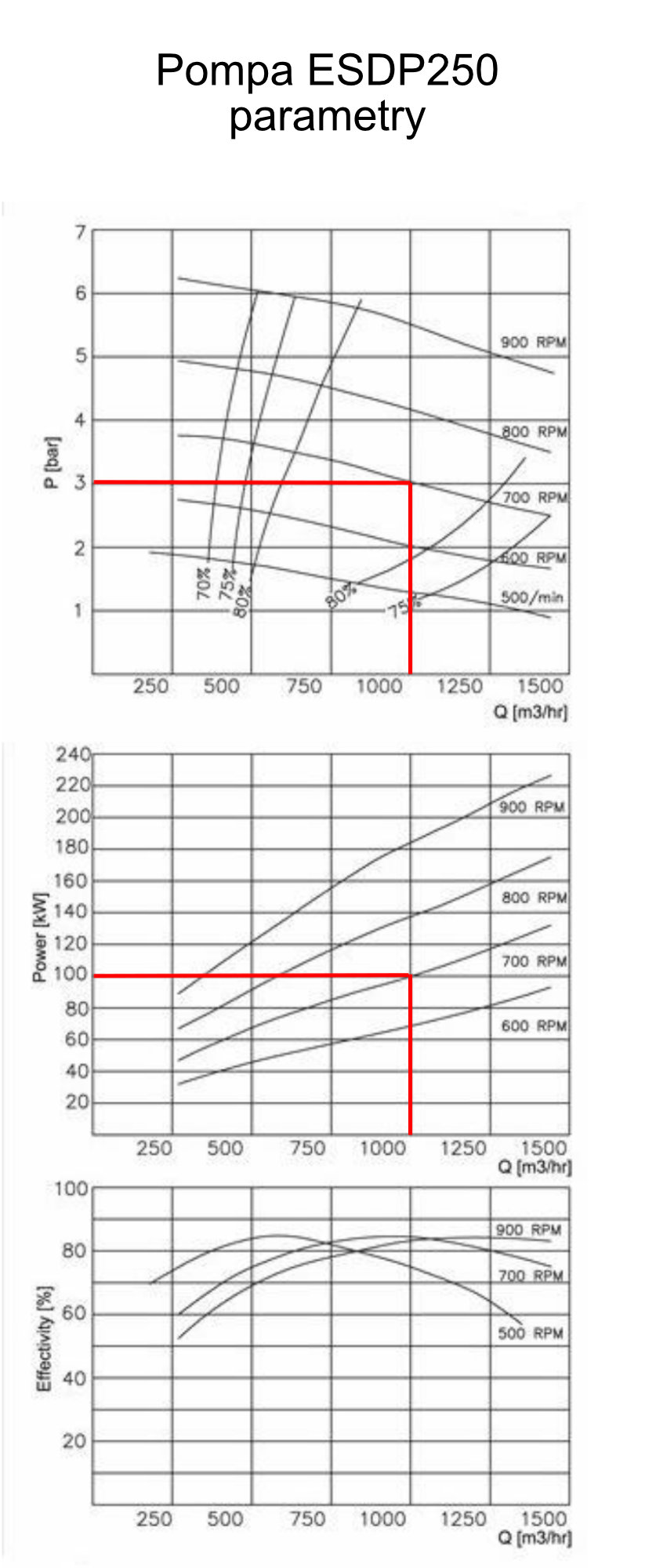
- Pump type 250 – water pulp capacity approx. 1200 cubic meters per hour.
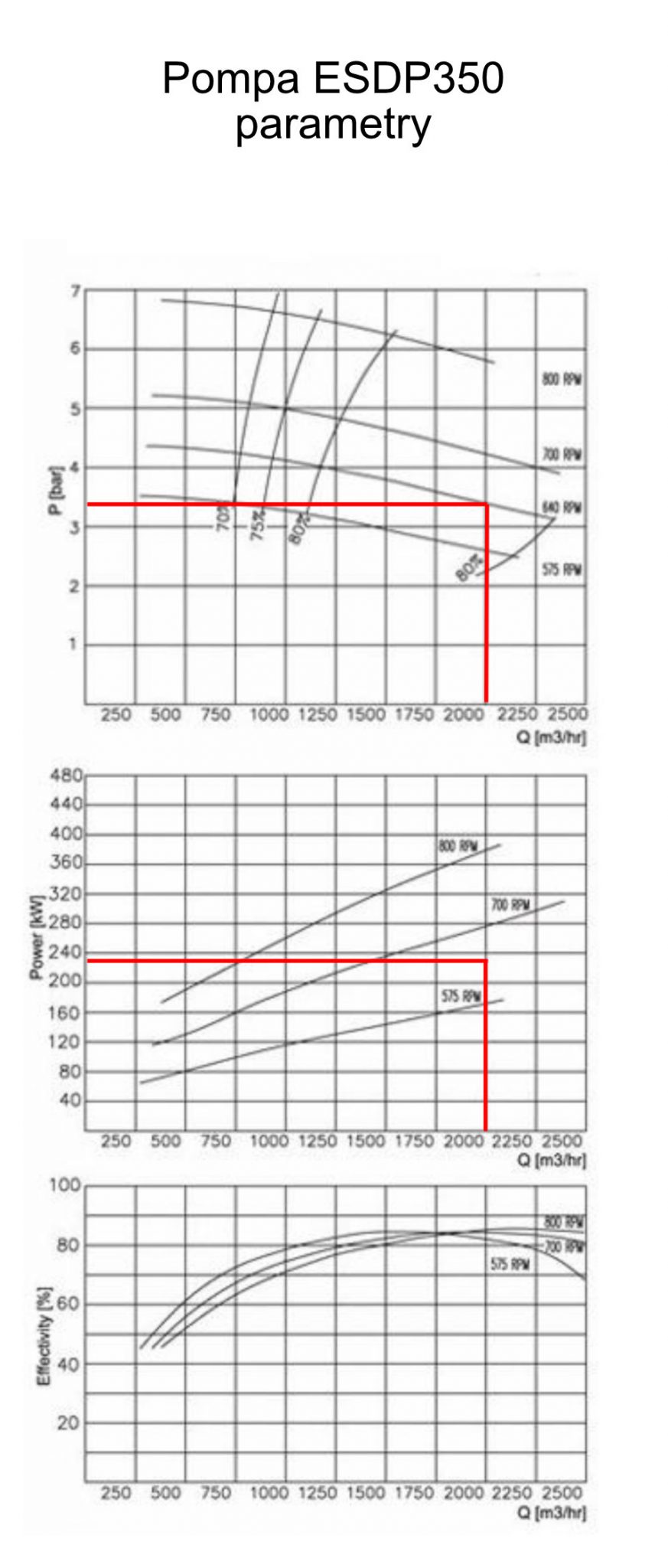
- Pump type 350 – water pulp capacity approx. 2,500 cubic meters per hour.
These types of pumps are most often used as accessories, mounted to excavators in place of a bucket.
In order for sludge pumps to use their full potential, cutting heads are necessary.
Depending on the type of work and the type of soil being excavated, different types of heads must be used to achieve optimal results.
Our company offers 5 different types of heads for each of our 4 pumps.
The hydrostatic drive of the pumps is carried out by the hydraulic hammer installation of the excavator to which the pump is mounted. This is the simplest solution and does not require an additional unit.
Pumps can also be mounted on a crane hook, in which case a hydraulic unit is required to drive the pump.
Our offer includes two types of hydraulic units of different sizes:
- The unit with an engine power of 430 kW is a PPH pontoon structure with a multifunctional unit equipped with four working pumps built inside. The unit is generally used to drive each of our pumps. The control panel and the unit controller have predefined parameters of our pumps, thanks to which it automatically controls their operation and protects them against overload.
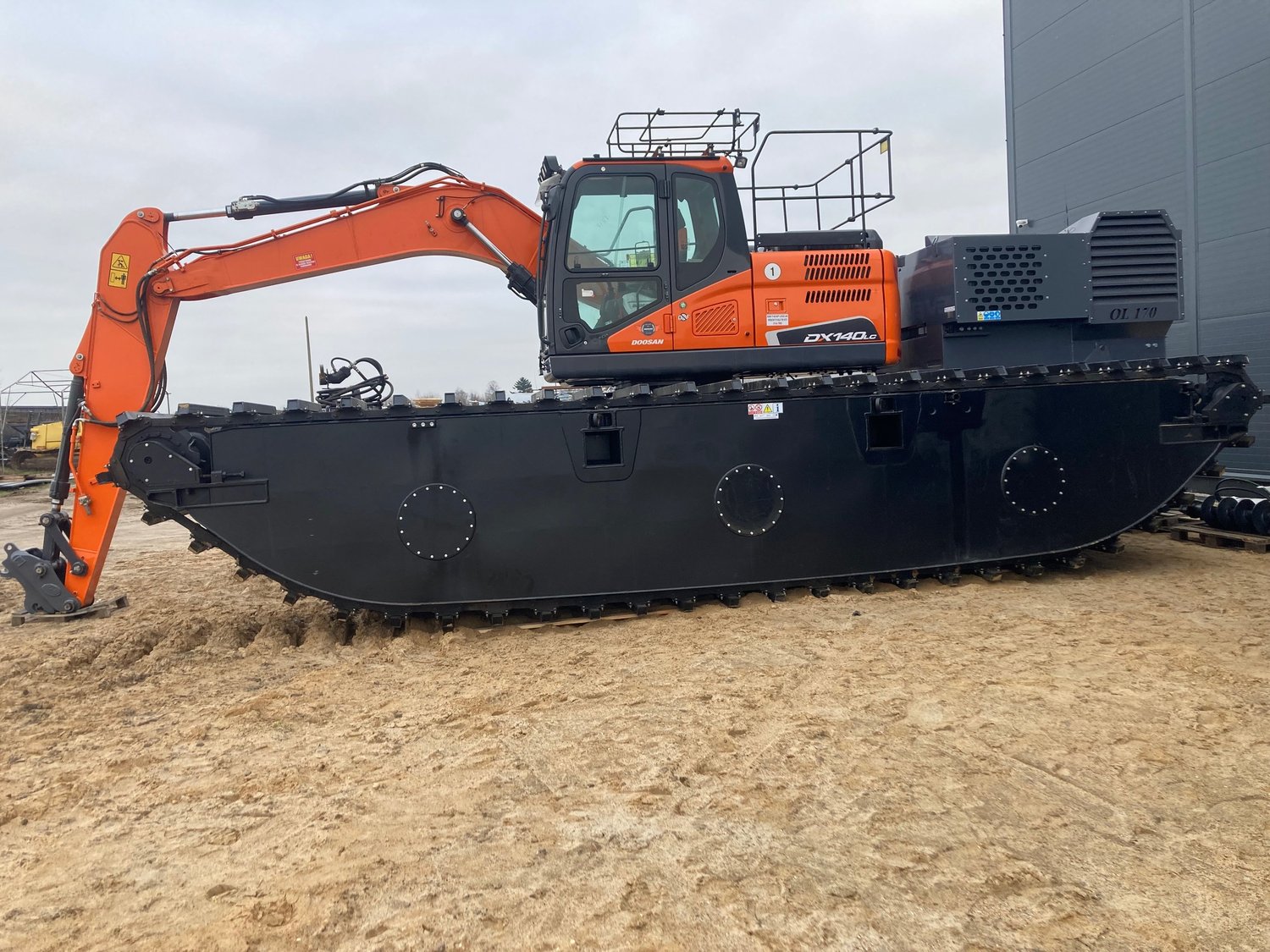
- The second generator we offer, OL170, with an engine power of 215 kW, has a much smaller but also waterproof housing (it can be immersed in water up to 1 m).
Due to the lower engine power and only 3 working pumps, it can be used to drive pumps: 150, 200, 250.
Both units also have hydraulic outputs for driving heads (all heads offered by our company) and for driving winches and anchor piles). The PPH unit also has an output for driving pumps used to loosen the bottom of the so-called Jet pump.
Both of the mentioned units are elements of our next new product, i.e. the MULTI 3 set
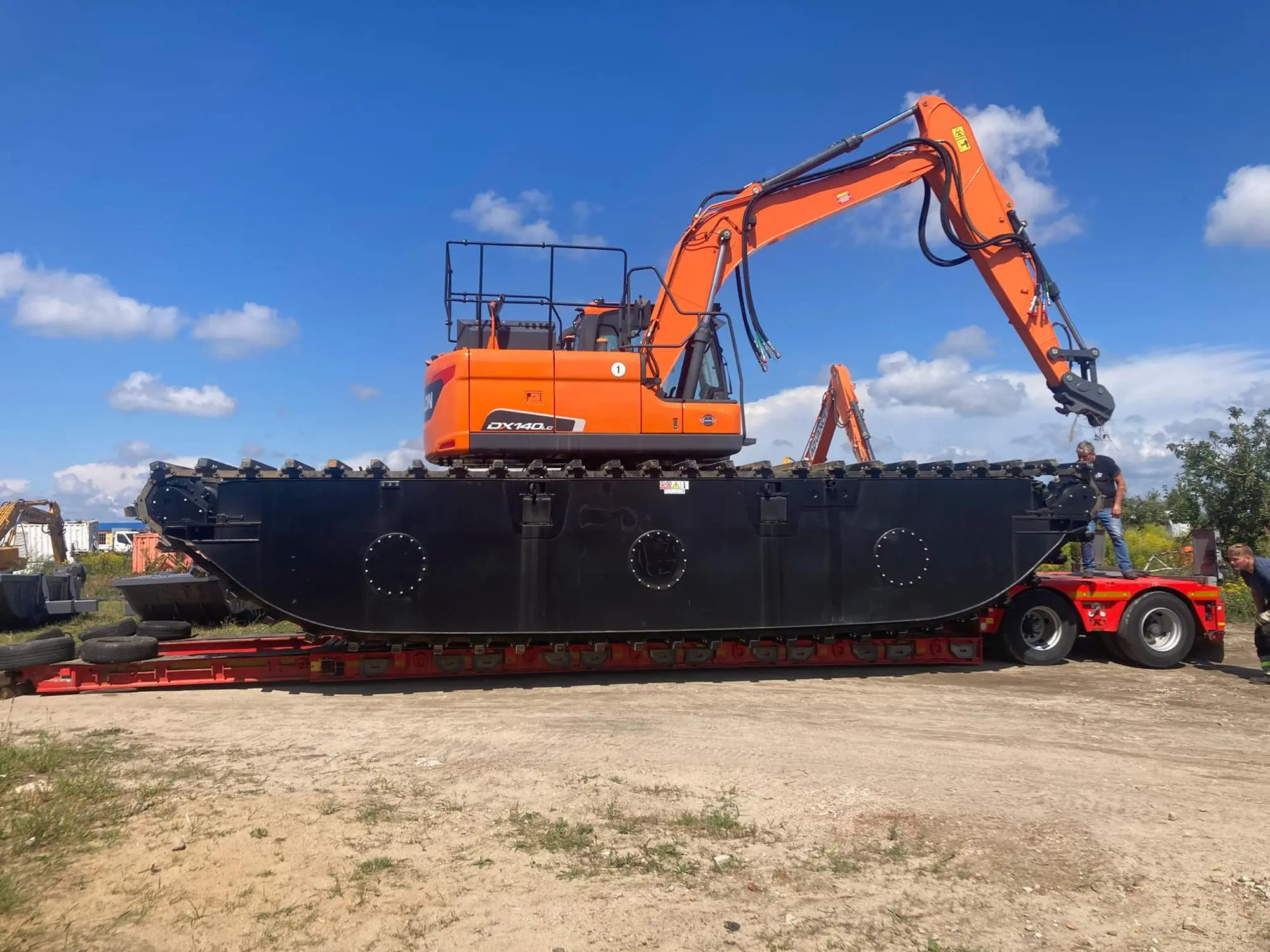
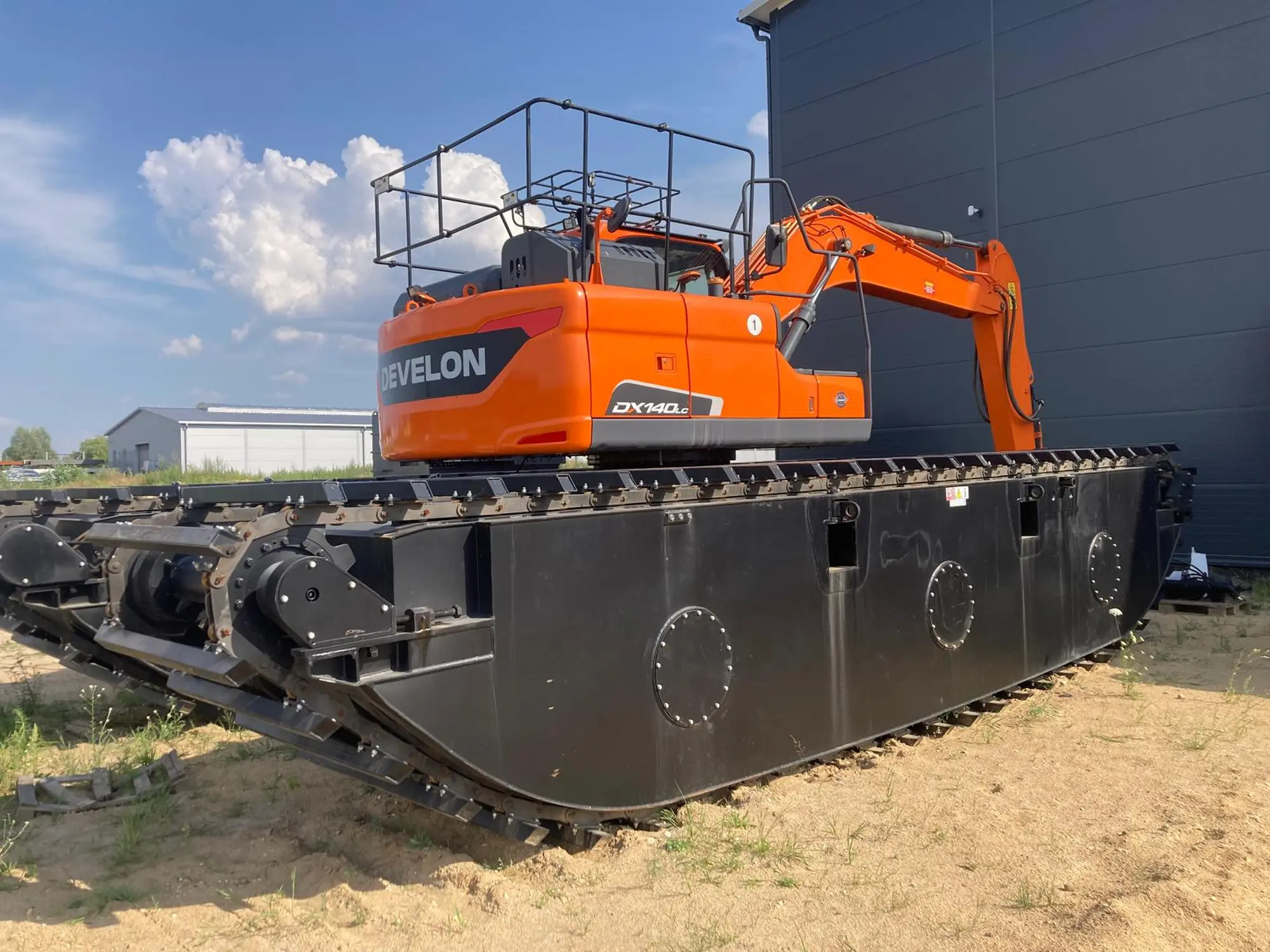
This set consists of modules/pontoons of small size and weight, thanks to which they can be easily moved to various, even far and inaccessible places.
The set includes pontoons less than 12 m long and pontoons less than 6 m long.
The pontoons have an original connection method, thanks to which they can be connected both on land and directly on the water.
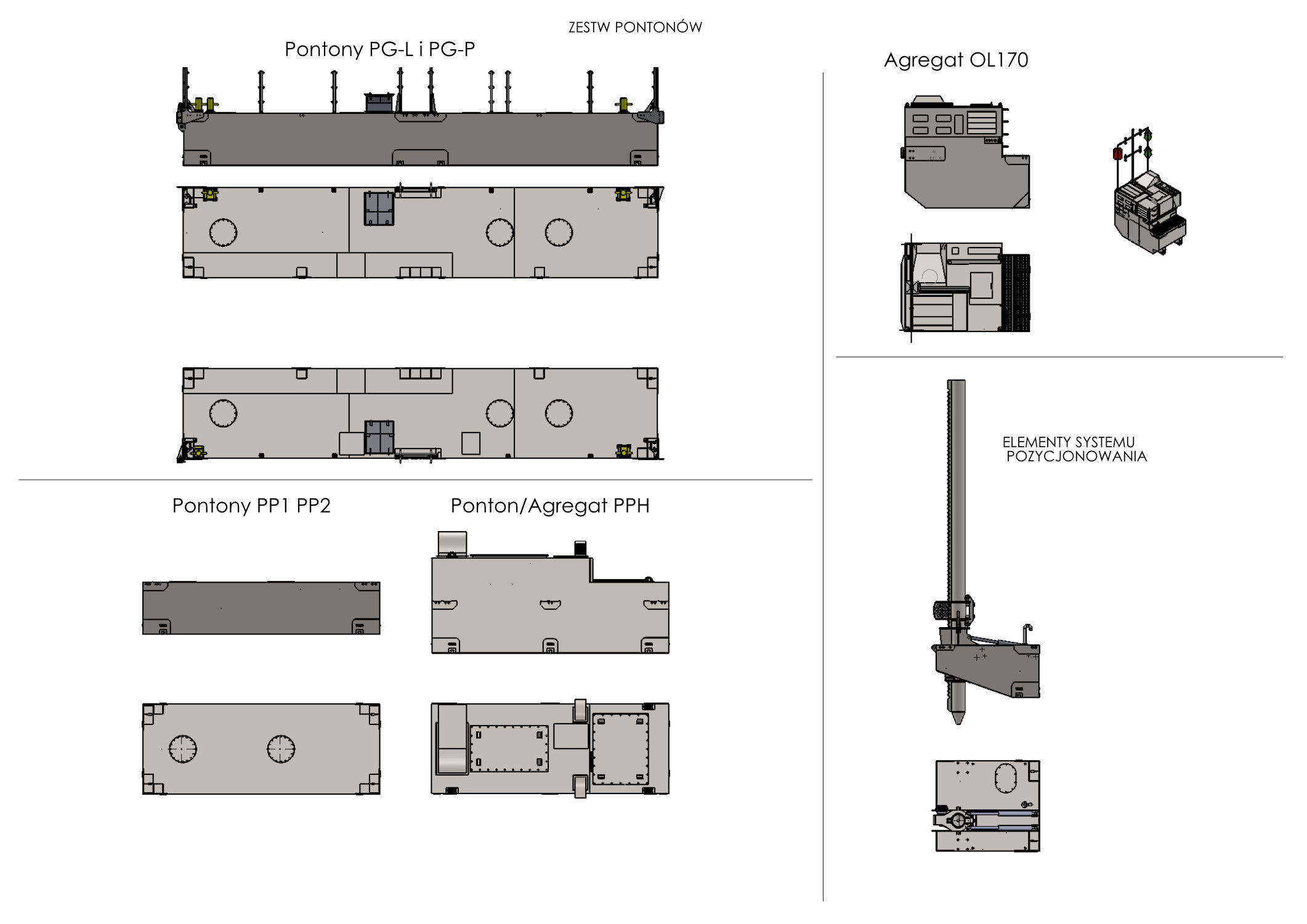
The set is complemented by elements for positioning and additional equipment thanks to which we can configure a platform for hydrostatic works and a dredge.
The solution we propose allows you to start extracting aggregates using the refulation method without large expenditure. Just buy one of our pumps and you will be able to see how efficient our submersible pump is.
If necessary, we are also able to rent this type of pump with the option of selling it.
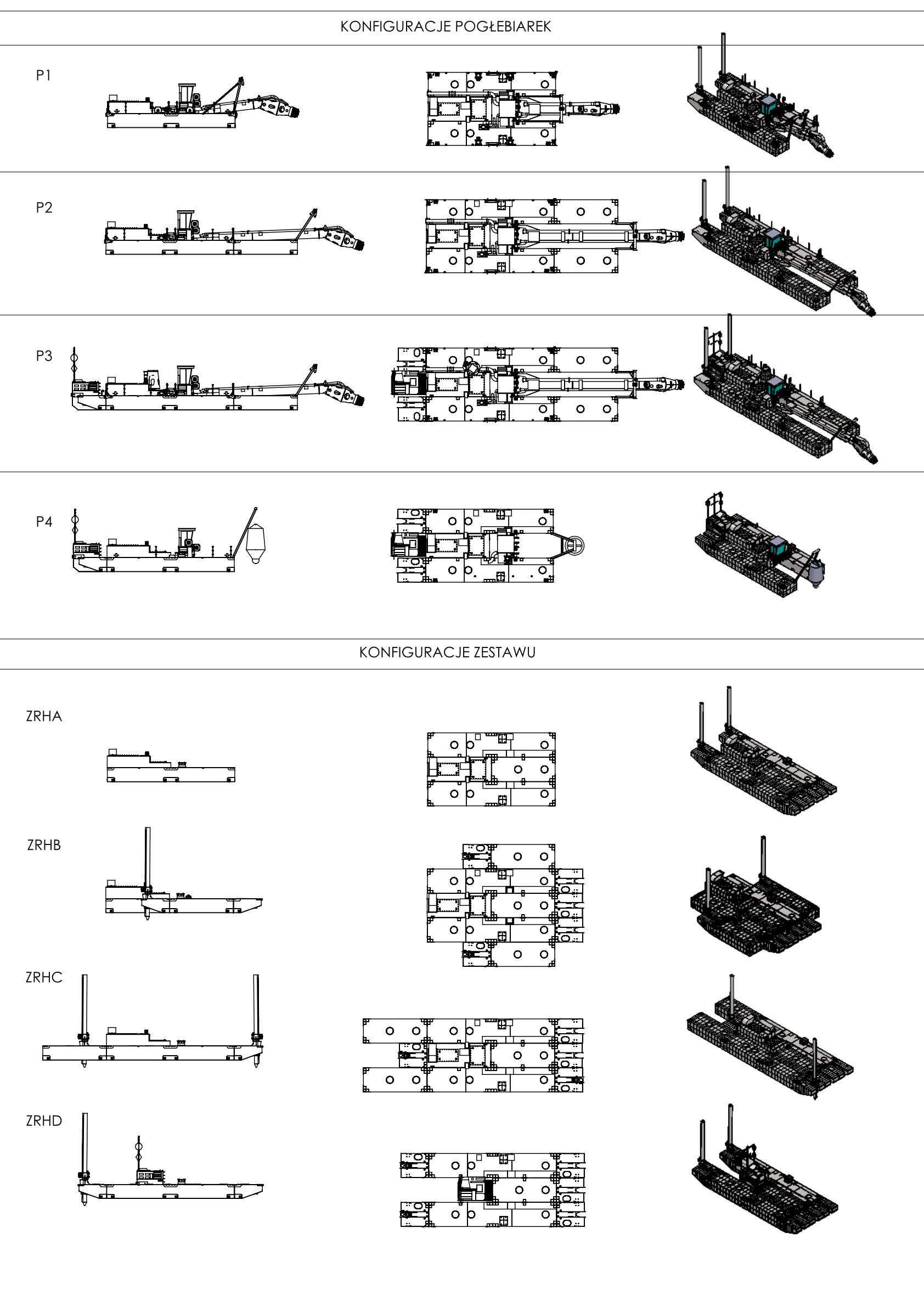
If you are convinced of this solution, it is very easy to take it a step further by purchasing pontoons that are part of the MULTI 3 set. This will make it possible to place an excavator with a sludge pump on a ZRH set configured with pontoons and thus carry out work at any distance from the shore of the reservoir.
If in the long run it turns out that a dredger is necessary, it does not mean that the previously incurred expenses did not make sense. All you need to do is supplement your equipment with a unit and accessories to get a dredger. The dredger will be positioned in the mine using winches and on the waterways using anchor piles.
The set has been designed in such a way that the company can learn the advantages of our devices gradually, step by step.
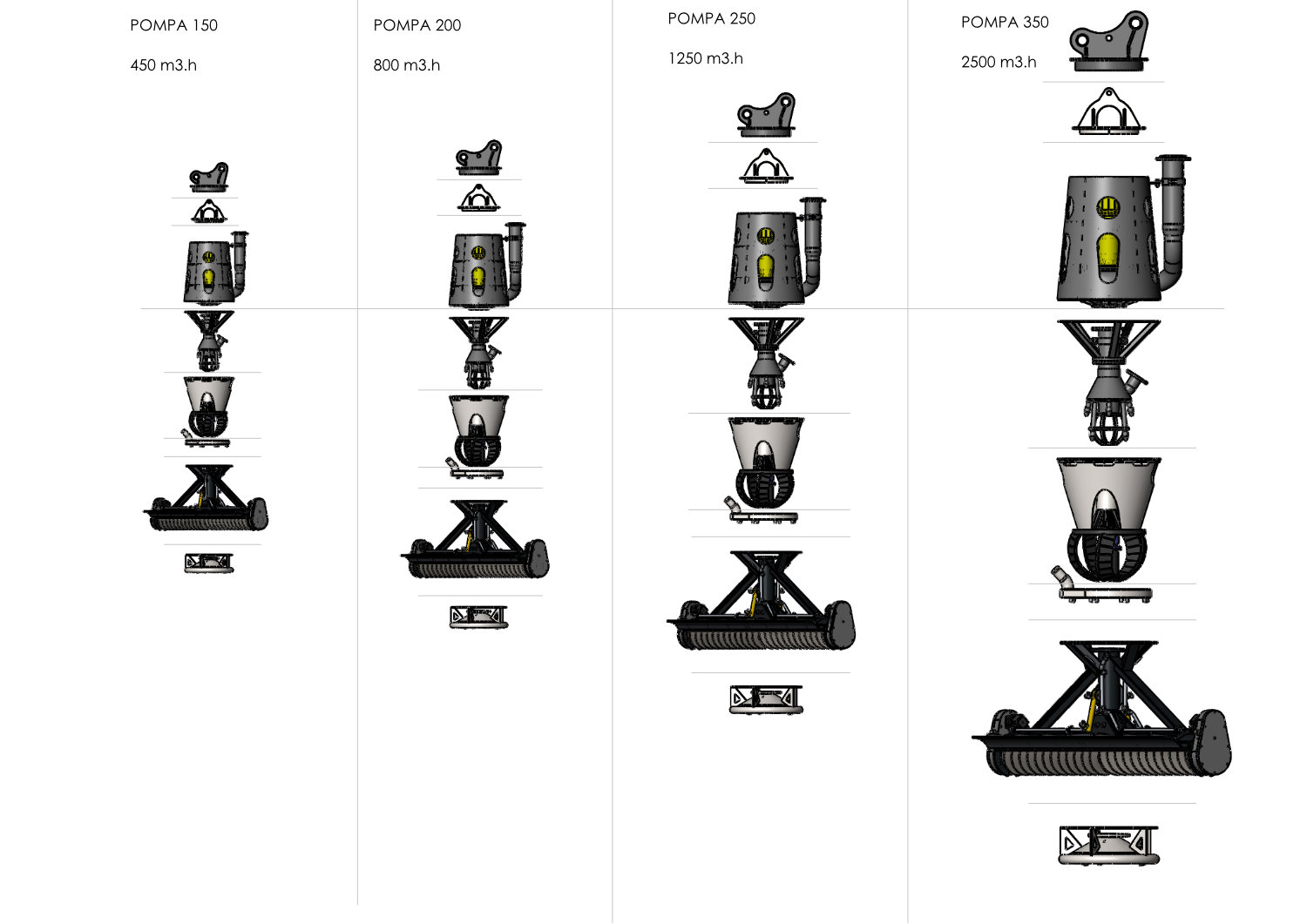
The drawing illustrates underwater pumps, types of heads, and what configurations of floating devices we can create from the elements of the universal MULTI 3 set.
Due to the fact that our solution is something new on the market, we suggest that interested people contact us with any questions. We will be happy to clarify any uncertainties.